
Albert III’s 1949 V-2 Flight: A Tragic Step in Early Space Biology
TL;DR
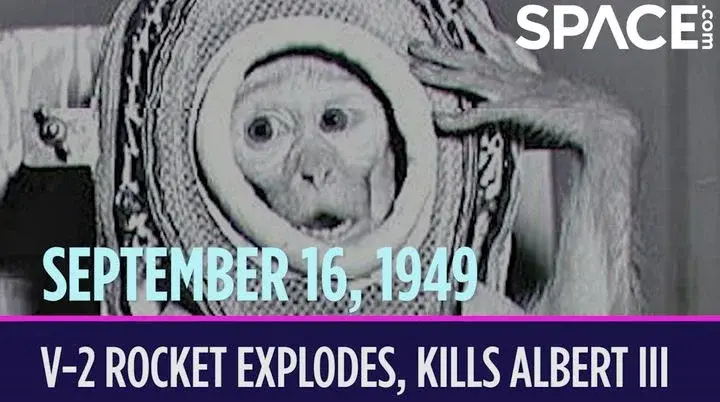
On Sept. 16, 1949, the U.S. launched a V-2 rocket carrying Albert III, a long-tailed macaque, at White Sands Missile Range; the rocket exploded about 10 seconds after liftoff, killing the monkey and marking a grim but formative chapter in early spaceflight biomedical research. The mission aimed to understand how spaceflight could affect humans, contributing to design improvements for future tests. NASA and Space Agency testing later moved away from animal launches, with the first successful monkey spaceflight occurring in 1951 (Albert VI), after which animal testing in space was retired by the 1980s.
Topics:sciencespace#albert-iii#monkeys-in-space#project-blossom#space#v-2-rocket#white-sands-missile-range
Want the full story? Read the original reporting
Read on Space