Tag

Animal Testing

All articles tagged with #animal testing

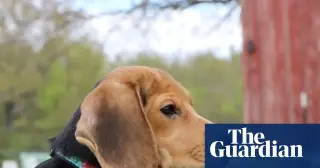
Beagles Freed from Ridglan Farms Begin Rehoming Drive
society23 days ago

Beagles Freed from Ridglan Farms Begin Rehoming Drive

About 1,500 beagles from Ridglan Farms in Wisconsin are being rehomed after protests, with Big Dog Ranch Rescue and the Center for a Humane Economy purchasing the dogs. The first 300 have been moved, and roughly 1,000 more will be placed with shelters and adoptive families nationwide. Adoption processes include vaccinations, microchips, spaying/neutering, and thorough screening as groups coordinate across the country. Protests and legal actions surrounding the facility have highlighted concerns about animal testing and licensing.

Beagles Freed From Wisconsin Lab Begin New Lives With Rescue Network
society23 days ago

Beagles Freed From Wisconsin Lab Begin New Lives With Rescue Network

Beagles from Ridglan Farms in Blue Mounds, Wisconsin, are entering a nationwide rehoming effort after protests and a confidential deal to sell 1,500 dogs; the first 300 have been removed with more to come, and 1,000 are slated for adoption via Big Dog Ranch Rescue and partners while the Center for a Humane Economy will take the remaining 500. The dogs are being vaccinated, microchipped, spayed or neutered, and prepared for transport to shelters as activists who protested the facility face charges and a federal lawsuit alleging excessive force. Ridglan denies mistreatment, and previously agreed to relinquish breeding licenses; beagles are favored in testing due to their docile temperaments.

Organs Without Brains: A Startup’s Bold Plan to Replace Animal Testing
science2 months ago

Organs Without Brains: A Startup’s Bold Plan to Replace Animal Testing

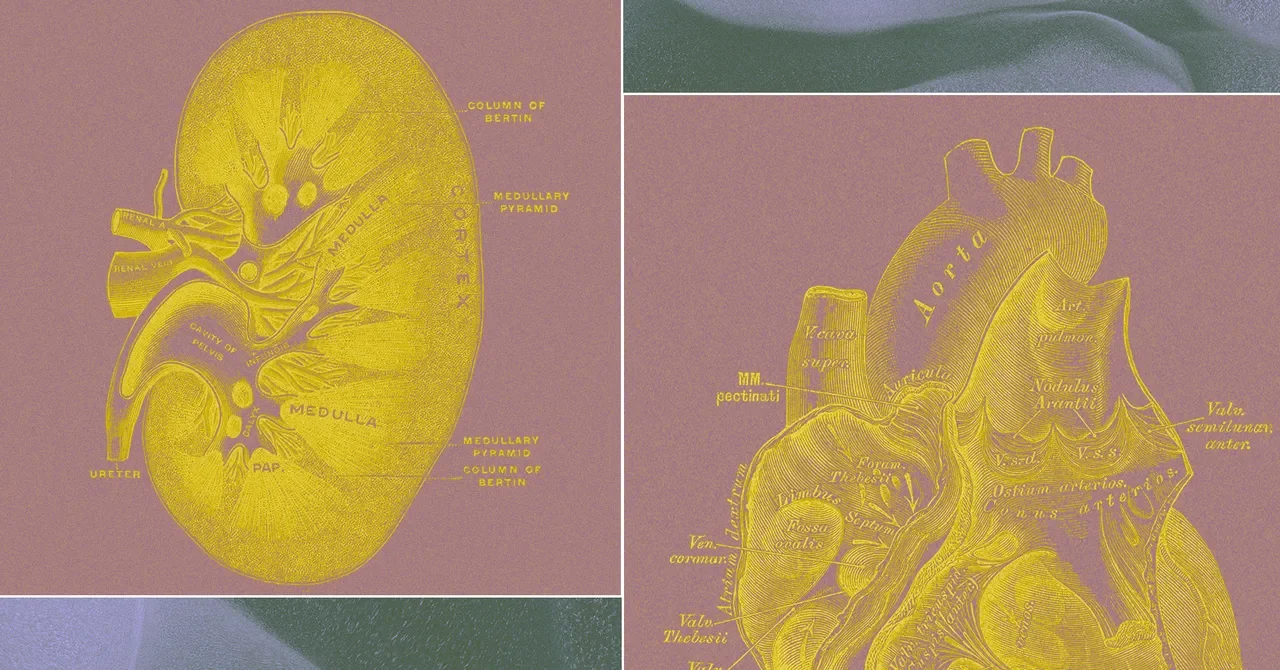
A Bay Area biotech startup, R3 Bio, backed by Immortal Dragons and billionaire Tim Draper, is pursuing nonsentient “organ sacks”—genetically engineered, brainless whole-organ systems—to replace animal testing and someday provide human tissues and organs. Initially targeting monkey organ sacks for toxicology testing, the company envisions using stem cells and gene editing to grow complex organ structures, addressing both ethical concerns with animal use and rising demand for organs amid shortages. Experts note the concept is theoretical and raise ethical questions about how such entities would be created, stored, or whether they could have awareness, but proponents argue the approach could offer a scalable alternative to current models. The effort aligns with a broader shift away from primate testing in the US and seeks to expand beyond testing to potential future replacement parts for humans.

UK Announces Strategy to End Animal Testing and Boost AI Alternatives
science6 months ago

UK Announces Strategy to End Animal Testing and Boost AI Alternatives

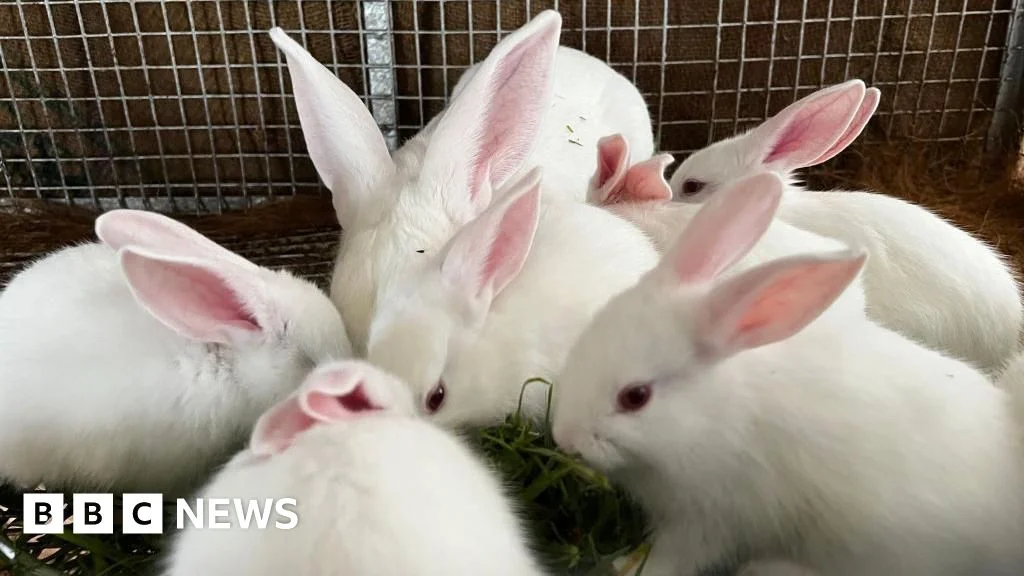
The UK government has announced plans to phase out animal testing for safety assessments by the end of 2025, replacing many tests with human cell-based and computer simulation methods, aiming to significantly reduce animal use in scientific research by 2030, while acknowledging the challenges and limitations of non-animal models.

China Advances Animal Testing to Lead Global Biotech Competition
science-and-technology7 months ago

China Advances Animal Testing to Lead Global Biotech Competition

Chinese scientists are pushing the boundaries of animal testing, especially with large animals like pigs and primates, to develop treatments for diseases like ALS, amid a regulatory environment that is more permissive than in the US and Europe, raising ethical concerns and strategic implications for global biotech dominance.

Rethinking Animal Testing in Biomedical Research
science7 months ago

Rethinking Animal Testing in Biomedical Research

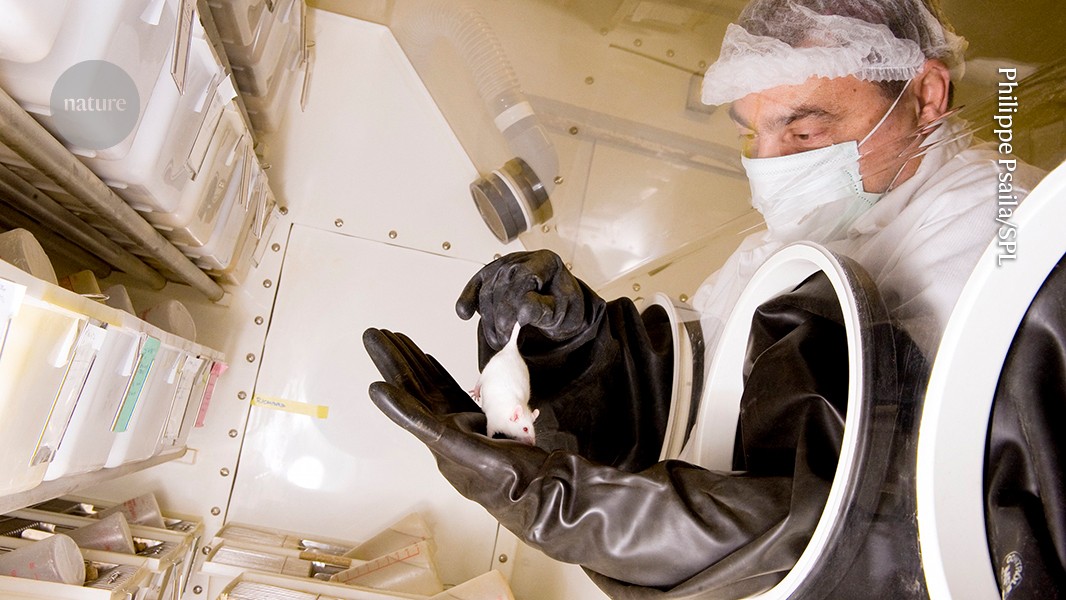
The article discusses the nuanced debate between traditional animal models and new approach methodologies (NAMs) in biomedical research, emphasizing that both have their strengths and limitations. It advocates for a balanced, model-specific approach rather than outright replacing animal testing with NAMs, highlighting technological advances and ethical considerations.

Rabies Cases in Virginia Animals: Human Impact Explored
health1 year ago

Rabies Cases in Virginia Animals: Human Impact Explored

In Virginia, 272 animals have tested positive for rabies this year, with raccoons, skunks, foxes, and cats being the most affected. Rabies is a fatal viral disease that can spread to humans through bites or scratches from infected animals. While the disease is almost 100% fatal once symptoms develop, timely treatment is highly effective. Health officials emphasize the importance of vaccinating pets and reporting animal bites to prevent rabies cases. The state conducts thousands of tests annually, with Fairfax and Loudoun counties reporting the highest numbers of positive cases.

Laika: The First Orbital Space Dog's Tragic Journey
science-and-technology1 year ago

Laika: The First Orbital Space Dog's Tragic Journey

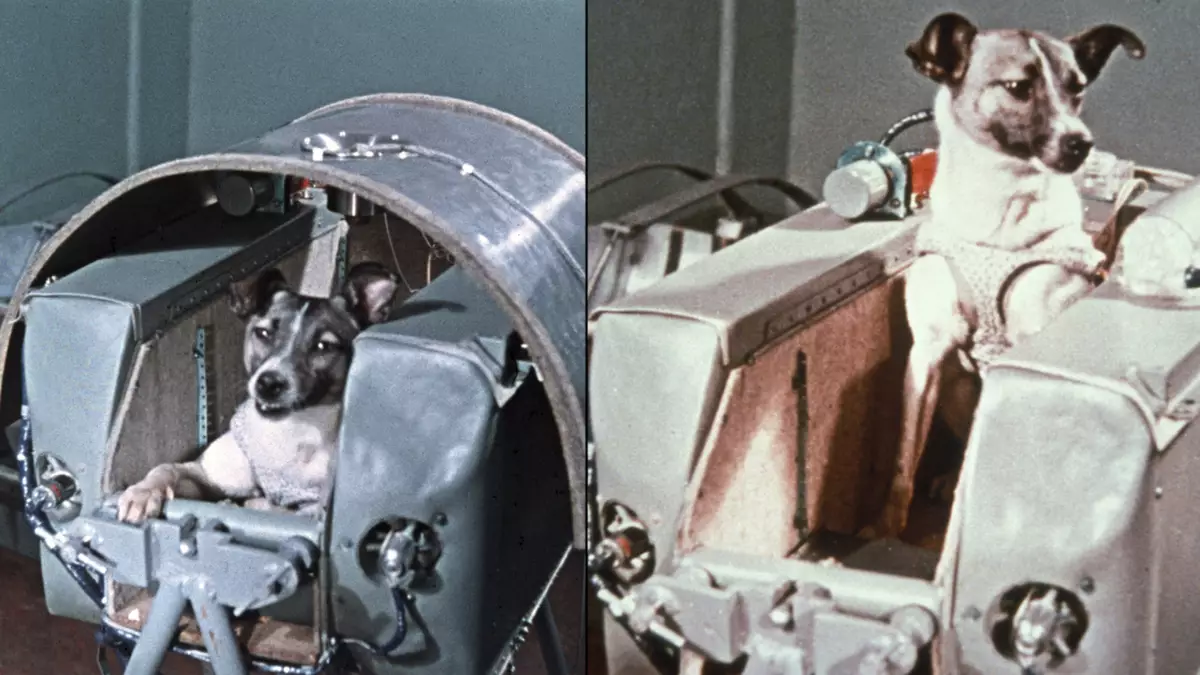
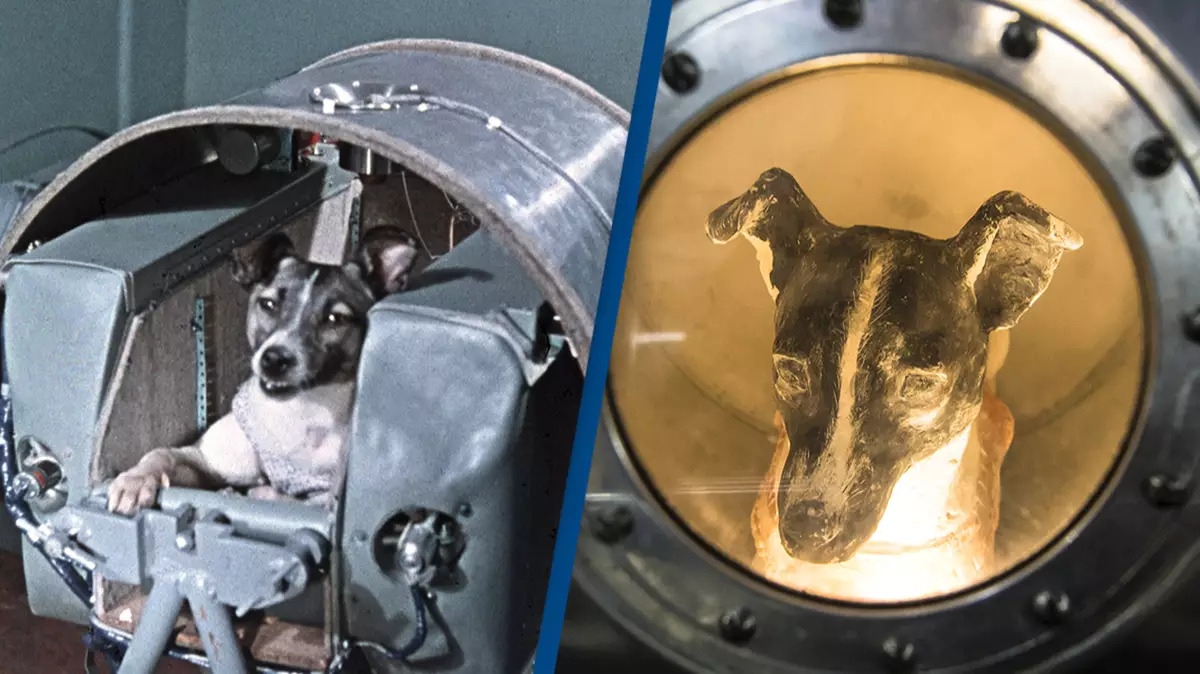
Laika, a stray dog from Moscow, became the first living being to orbit Earth on November 3, 1957, as part of the Soviet space program. Despite the mission's historical significance, Laika's journey ended tragically as she died from panic and overheating just hours after launch, contrary to initial claims that she survived for days. Her remains were incinerated upon re-entry in April 1958. Laika's story highlights the ethical challenges of early space exploration.

Laika: The First Dog to Orbit Earth and Her Tragic Journey
science-and-technology1 year ago

Laika: The First Dog to Orbit Earth and Her Tragic Journey

Laika, a stray dog from Moscow, became the first animal to orbit Earth aboard the Soviet spacecraft Sputnik 2 in 1957. Despite the mission's significance in advancing space exploration, Laika's journey was a one-way trip, and she died from overheating and panic shortly after launch. Her mission provided crucial data on the effects of space travel on living organisms, contributing to the Soviet Union's progress in the Space Race. Sputnik 2 eventually disintegrated upon re-entry after 162 days in orbit.

"Neuralink Patient Assured No Monkey Deaths, New Brain Cap Enables Mind-Controlled Gaming"
technology2 years ago

"Neuralink Patient Assured No Monkey Deaths, New Brain Cap Enables Mind-Controlled Gaming"

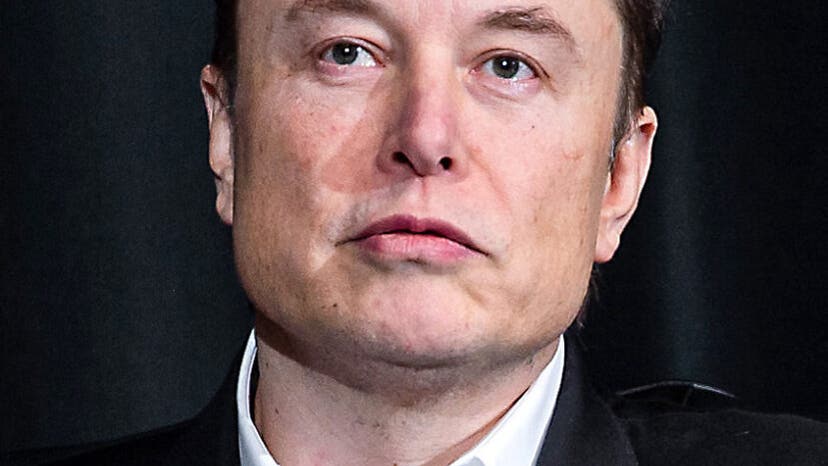
Noland Arbaugh, the first human to receive Elon Musk's Neuralink brain chip, was assured by the company that no monkeys had died as a result of a Neuralink implant, despite reports of some of the 23 subjects dying during testing. Concerns about the safety and ethical implications of the technology arose due to previous trials on animals, including reports of monkeys suffering and dying during experimentation. Despite controversy, Arbaugh proceeded with the implant and has demonstrated positive outcomes, raising ethical concerns and sparking debate about the broader implications of such technology.

"Neuralink's Human Brain Implant Milestone and Ethical Concerns"
technology-animal-rights2 years ago

"Neuralink's Human Brain Implant Milestone and Ethical Concerns"

Documents obtained by DailyMail.com reveal that Elon Musk's Neuralink project has killed at least 1,500 animals, including monkeys, sheep, and pigs, during its quest to develop a brain implant that allows people to control electronic devices with their minds. The animal testing involved drilling holes into monkeys' heads, implanting devices, and subjecting the animals to multiple surgeries before euthanizing them. The Physicians Committee for Responsible Medicine has raised concerns about the "extreme suffering" endured by the animals and the "systematic disregard" for their lives, while Neuralink has stated its commitment to working with animals in a humane and ethical way.

"Neuralink Seeks Human Volunteers Following Animal Testing Controversy"
technology2 years ago

"Neuralink Seeks Human Volunteers Following Animal Testing Controversy"

Elon Musk's neurotech startup Neuralink has faced criticism after it was revealed that the company has killed approximately 1,500 animals in its experiments to connect brains to computer interfaces. Records from UC Davis' California National Primate Research Center detailed the suffering experienced by monkeys that received brain chip implants, including bleeding in the brain and parts of the brain being left in tatters. Despite calls from a national group of physicians to halt all animal and human experiments, Neuralink is still actively recruiting individuals with quadriplegia or ALS for brain implant trials.

Rabies Outbreak: Two Animals Infected in Oneida County
health2 years ago

Rabies Outbreak: Two Animals Infected in Oneida County

Two animals, a raccoon in Utica and a skunk in Remsen, have tested positive for rabies in Oneida County, New York. The Oneida County Health Department stated that there was no reported human exposure to the infected animals. The department advised people to avoid approaching wild or stray animals and seek medical attention if bitten or in contact with an animal's saliva. Rabies is a deadly disease, and appropriate care is crucial to prevent contracting it. For concerns or questions about rabies exposure, contact the Oneida County Health Department.