
Alouette I’s Tape-Measure Antennas and Decade-Long Ionosphere Data Archive
Canada’s first satellite, Alouette I, launched in 1962 with a one-year design life but operated for over a decade. It utilized storable tubular extendible member (STEM) antennas that unrolled from compact coils into long structures in orbit. The mission generated over two million ionograms, creating a lasting scientific archive despite being launched on an American rocket.
Key points
- Alouette I launched on September 29, 1962, from Vandenberg Air Force Base aboard a Thor-Agena B rocket, marking Canada as the third nation to build its own satellite.
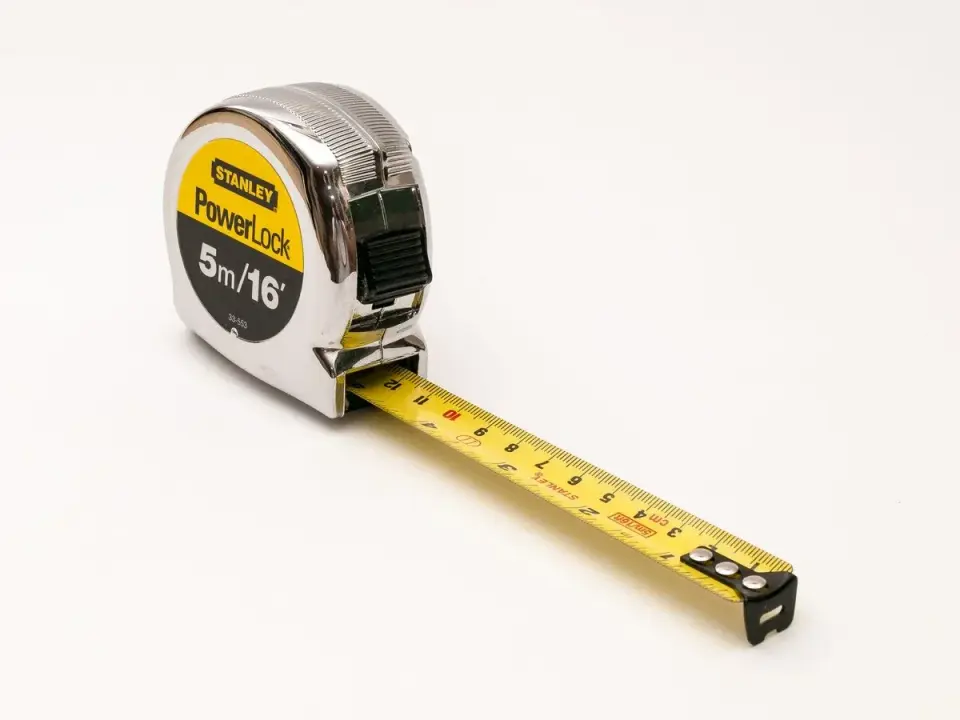
- The satellite carried four STEM antennas, invented by George Klein, which were stored as rolled metal strips and deployed into tubular forms in orbit, similar to a carpenter’s measuring tape.
- Designed for a one-year lifespan, Alouette I transmitted useful data for more than ten years, orbiting approximately 1,000 kilometers above Earth to study the ionosphere.
- The mission’s swept-frequency topside sounder produced over one million ionograms in the first three years and about two million after ten years, contributing to over 300 scientific papers.
- The data was recorded on photographic film, requiring physical preservation efforts to maintain the scientific record long after the mission ended.
Background
This story highlights the engineering ingenuity of early space missions, specifically how compact storage solutions enabled large-scale instruments in orbit. The STEM antenna technology, originally developed for military purposes, was later adapted for other Canadian satellites and NASA’s Mercury, Gemini, and Apollo programs. The long operational life of Alouette I allowed for repeated observations of the ionosphere, providing a time-series dataset that short-duration missions could not offer. The preservation of data on physical media, such as photographic film, underscores the importance of archival methods in maintaining scientific records across decades.
Why it matters
Alouette I demonstrates how innovative engineering solutions can extend mission lifespans and scientific value beyond initial design parameters. The STEM antenna technology remains a foundational concept in spacecraft design, allowing for large structures to be compactly stored during launch. The extensive data archive from Alouette I continues to support research in ionospheric physics, illustrating the long-term impact of early space missions on scientific knowledge.
What to watch
The Canadian Space Agency continues to preserve and make accessible the Alouette data archive, ensuring that the ionograms and other measurements remain available for future research. The legacy of STEM antenna technology is evident in modern spacecraft designs that require deployable structures for scientific instruments. Ongoing analysis of the Alouette data may provide insights into historical ionospheric conditions, contributing to our understanding of space weather and radio propagation.
Want the full story? Read the original reporting
Read on Space Daily