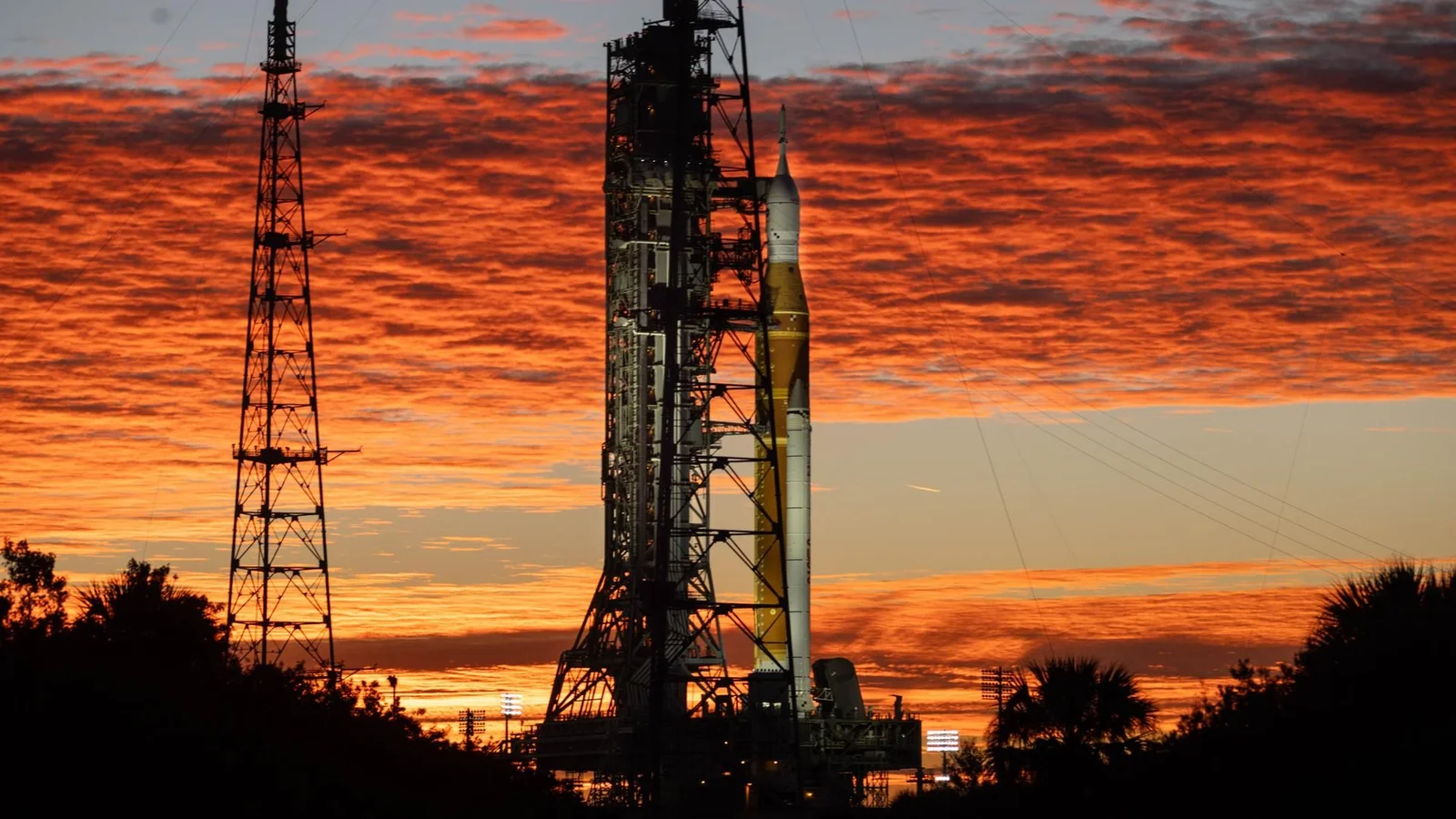
Artemis II will launch NASA’s Reid Wiseman, Victor Glover, Christina Koch, and Canada’s Jeremy Hansen on a ten-day mission to orbit the Moon, making history as the first Black person and first woman to leave low Earth orbit and the first non-American to travel beyond LEO.
NASA’s Artemis 2 mission will launch no earlier than April 1 at 6:24 p.m. EDT from Kennedy Space Center, carrying Reid Williams (commander), Victor Glover (pilot), Christina Koch (mission specialist) and CSA’s Jeremy Hansen. The crew will ride the Space Launch System and Orion on a roughly 10-day flight to loop around the Moon, with a close approach around 5,000 miles from the lunar surface and a trans-lunar injection about 24 hours after liftoff. Exterior Orion cameras will stream live footage and NASA expects daily communications with Earth as mission events unfold. Artemis 2 tests the SLS/Orion system for future Artemis missions, though timings can change; Space.com will provide live updates.
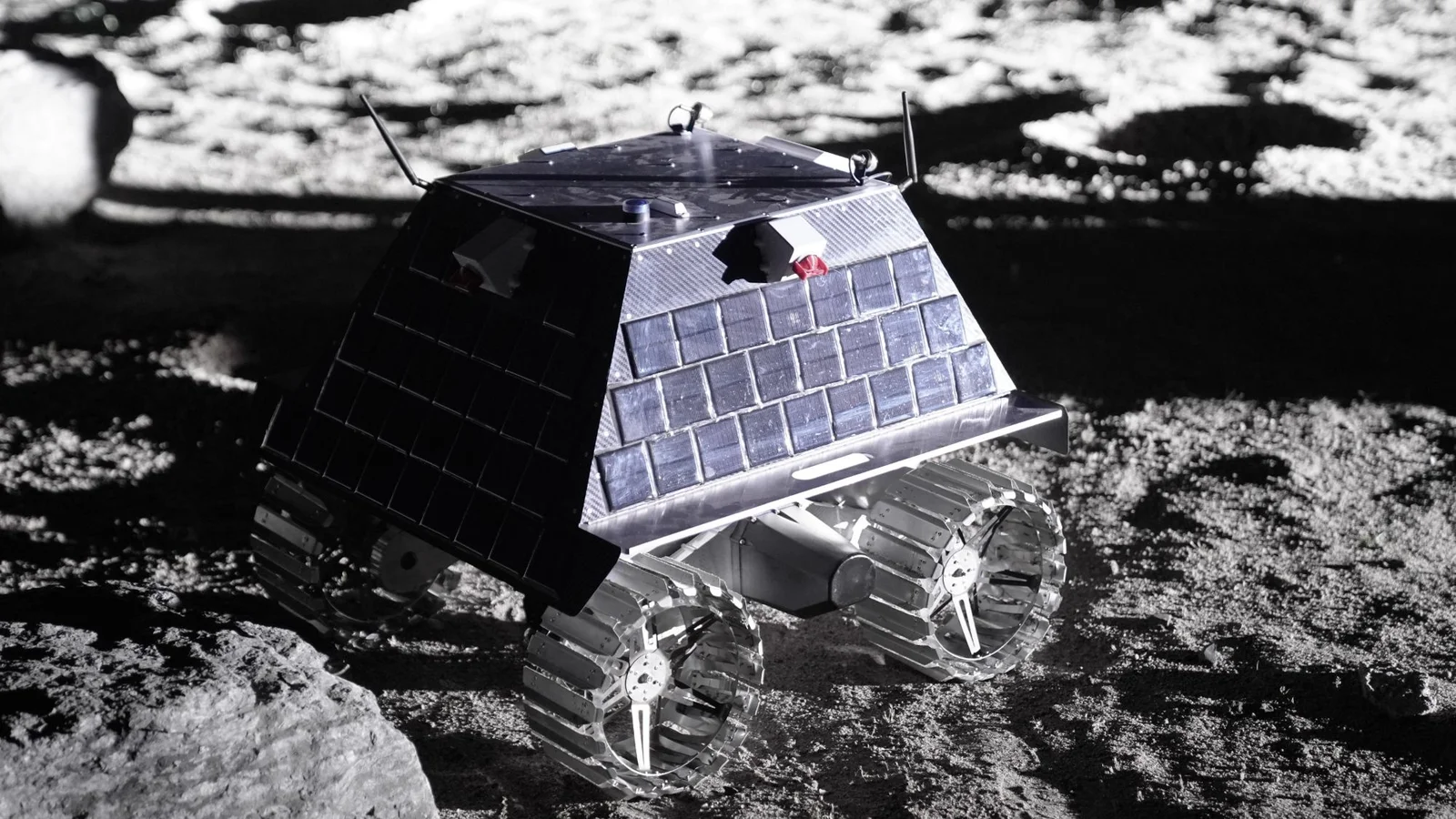
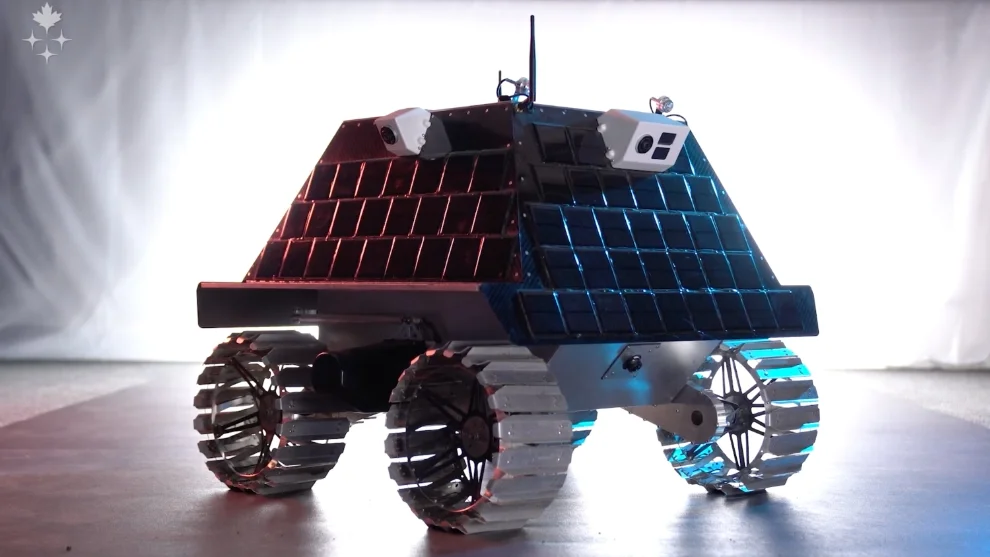
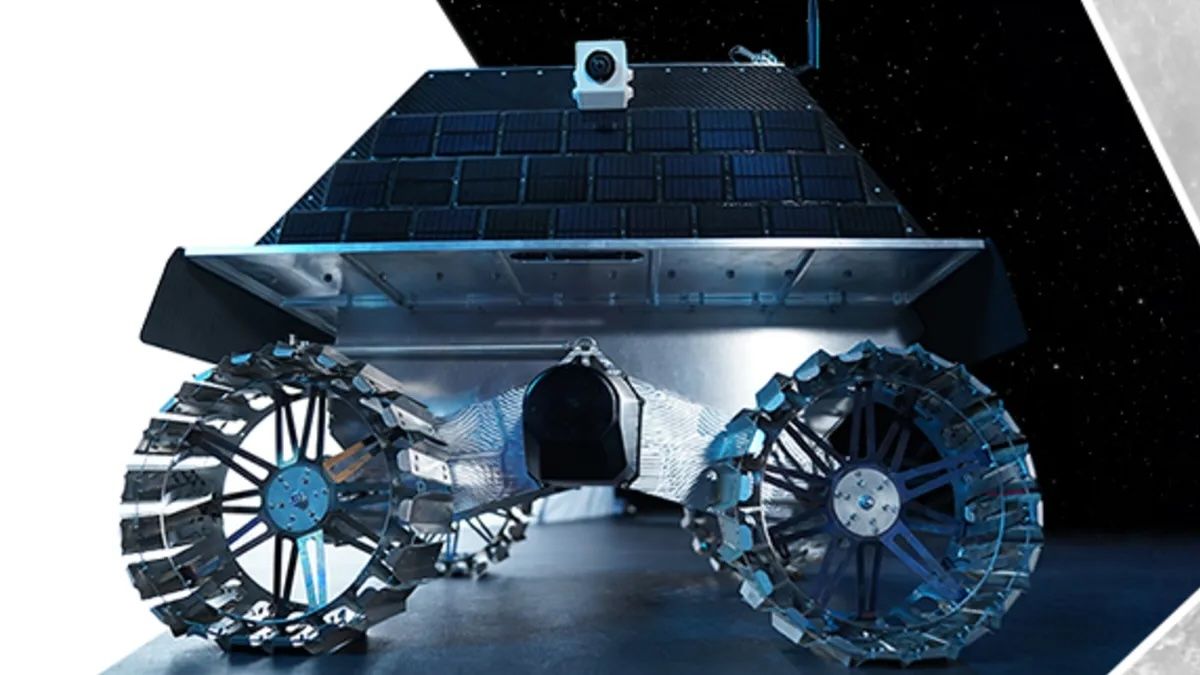
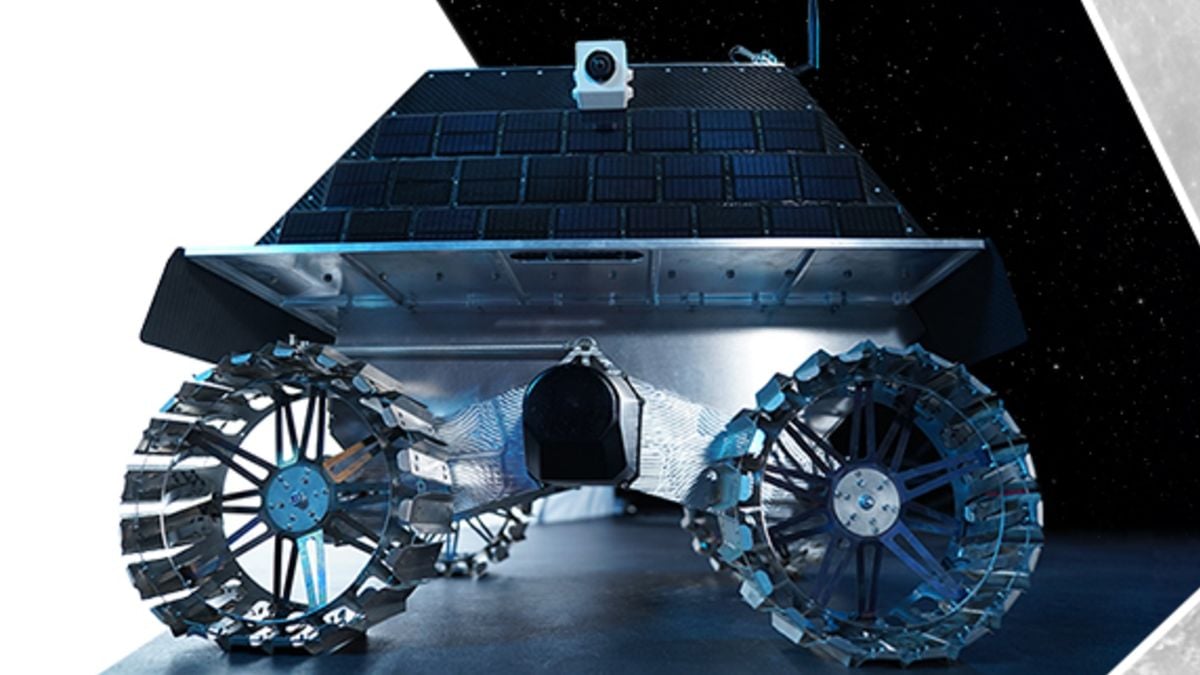
Canada has canceled its first planned moon rover mission, terminating a CSA-led program to search for lunar water ice and study the Moon's geology, slated for a 2029 launch with Firefly under NASA's CLPS. The move, part of CSA budget cuts for 2026-27 and accompanying NASA Artemis program shifts (Gateway pause in favor of a lunar base), means the rover team can repurpose its expertise for other Canadian lunar efforts, though some grants will continue and collaborations around Artemis 2 remain possible.
Canada's Space Agency's 2026–27 Departmental Plan terminates Canadensys Aerospace's Lunar Rover Mission (approved in 2022, to launch in 2029) as part of budget tightening. The plan includes about $6.66 million in reductions for 2026–27 and $14.36 million by 2028–29, with around 45 full-time positions cut, reallocating funds to other lunar initiatives (notably the Lunar Utility Vehicle) and Earth observation while maintaining a large overall CSA budget and continuing Artemis/space-science programs.
The Canadian Space Agency is inviting the public to help name its first moon rover, set to launch no earlier than 2026 as part of a collaboration with NASA's Artemis program. The rover will explore the moon's south pole, searching for water ice and demonstrating new technologies. The public can vote on names like Athabasca, Courage, Glacier, and Pol-R until December 20. This initiative is part of Canada's broader lunar exploration efforts, including contributions like the Canadarm3 for NASA's Gateway space station.
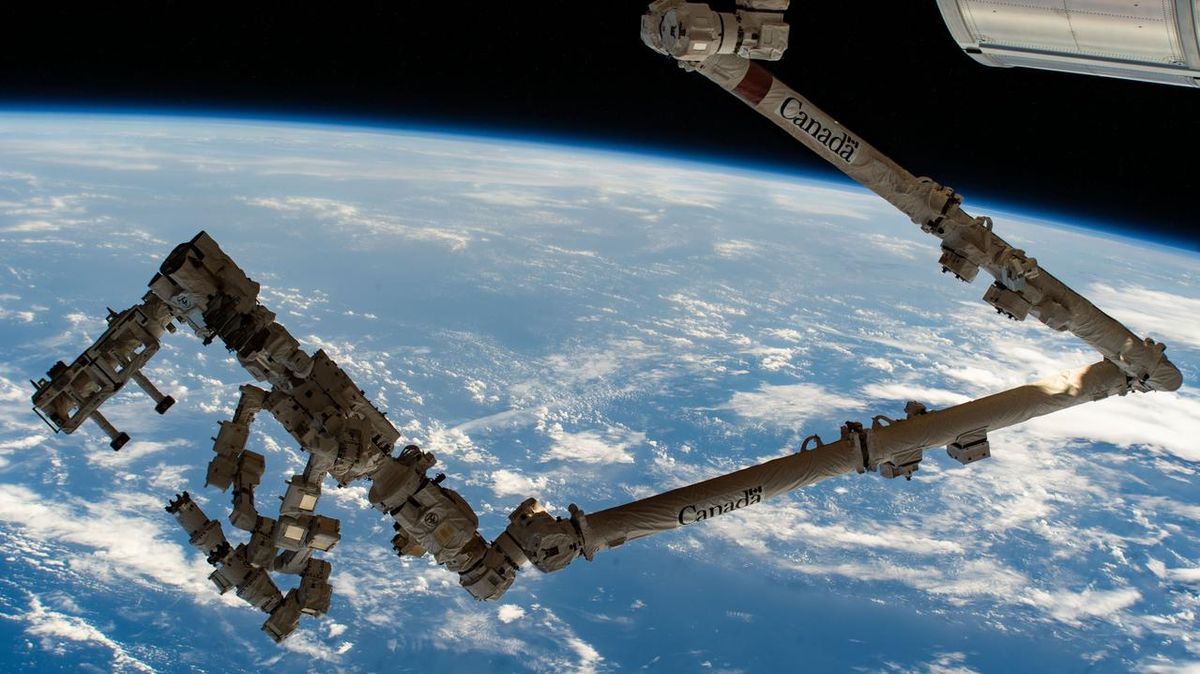
NASA astronaut Don Pettit captured a video of the Canadian Space Agency's Dextre robot performing a science experiment on the International Space Station. The footage, shared on social media, shows Dextre working with the Materials International Space Station Experiment (MISSE) to test material durability in space. The Canadarm2 and Dextre, managed by MDA Space, are key robotic assets on the ISS, contributing to various tasks including spacecraft capture. Pettit, known for his space photography, continues to document space missions and phenomena during his time on the ISS.
The Canadian Space Agency is inviting the public to help name its first moon rover, set to launch no earlier than 2026 as part of a collaboration with NASA's Artemis program. The rover will explore the moon's south pole, searching for water ice and demonstrating new technologies. The naming contest runs until December 20, with options like Athabasca, Courage, Glacier, and Pol-R. This initiative is part of Canada's broader lunar exploration efforts, including contributions like the Canadarm3 for NASA's Gateway space station.
Canadian astronaut Jeremy Hansen and his crewmates on the Artemis 2 moon mission will enjoy a menu that includes Canadian maple cream cookies, smoked salmon, shrimp curry with rice, and strawberry lavender superseed cereal. The Canadian Space Agency considered factors such as shelf life, texture, and ease of consumption in space when selecting the food. Canada's participation in the Artemis program's moon aims includes supplying hardware such as the Canadarm3 robotic arm for the future NASA Gateway space station.
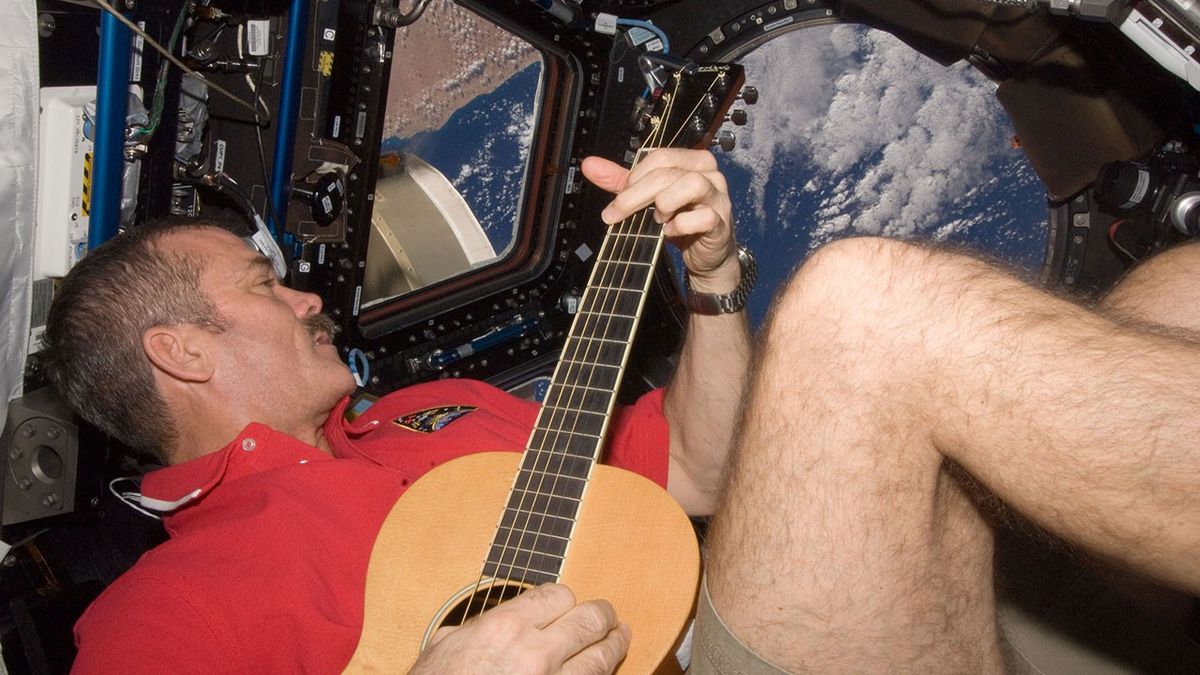
Astronaut Chris Hadfield, the retired Canadian Space Agency astronaut known for his social media presence during his time on the International Space Station, expressed his interest in flying on SpaceX's Starship for a trip around the moon. Hadfield, who is a consultant to SpaceX, praised the potential of the Starship and stated that he would love the opportunity to fly it. He also discussed the growth of Canada's space program and highlighted the upcoming missions involving Canadian astronauts, including Jeremy Hansen's flight around the moon with Artemis 2 and Josh Kutryk's mission to the International Space Station on Boeing Starliner. Hadfield also mentioned Jenni Gibbons as a potential future Canadian astronaut to set foot on the moon.
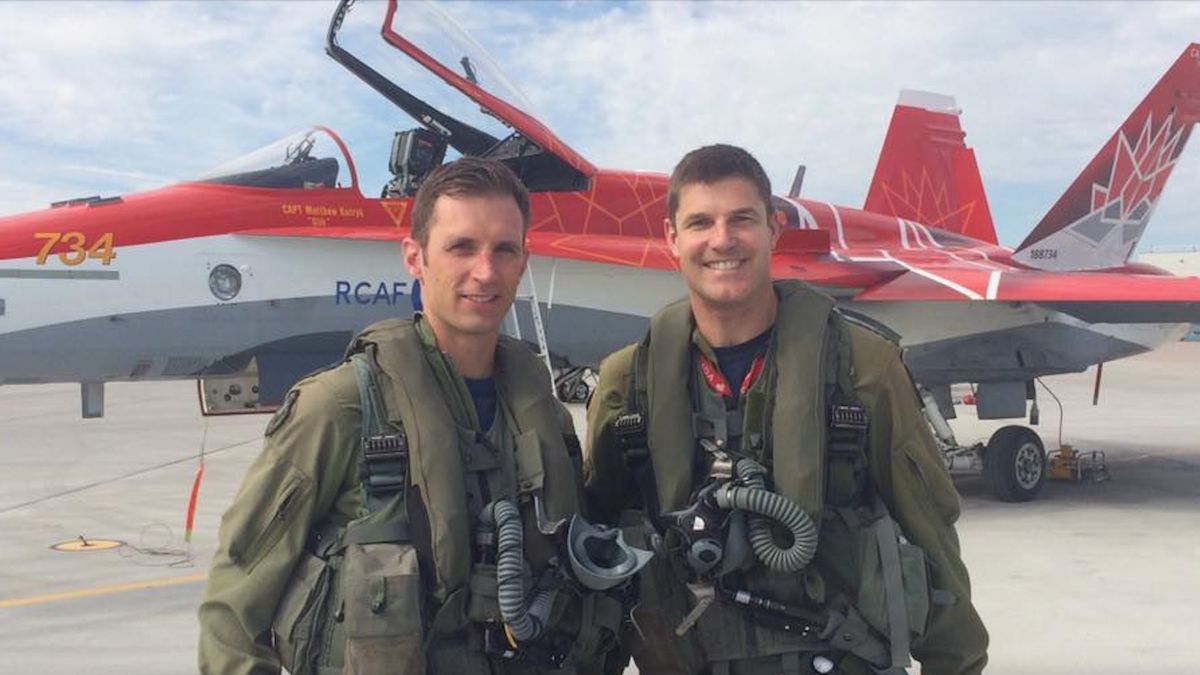
Canadian Space Agency astronauts Joshua Kutryk and Jeremy Hansen, both pilots with the Royal Canadian Air Force, have accumulated a combined 8,000 hours of flying experience, which they credit as valuable preparation for their upcoming space missions. Kutryk, assigned to Boeing's Starliner spacecraft, will bring his experience as a test pilot to evaluate the spacecraft during his own mission in 2025. Hansen, set to fly on NASA's Artemis 2 moon mission in 2024, highlights the similarities between flying fighter aircraft and human spaceflight, emphasizing the need for critical evaluation and teamwork. The military training received by both astronauts has equipped them with the skills to manage risks, adapt to new challenges, and work towards mission success.
The Canadian Space Agency's Deep Space Healthcare Challenge has selected five finalists who presented their medical technology solutions for astronauts in deep space. The challenge aims to create portable technology that allows rapid diagnoses and treatment in case of health issues, considering the constraints of space travel. The winner will receive a half-million-dollar prize and the opportunity to apply for future opportunities with the Canadian Space Agency. The competition is part of the agency's goal to empower astronauts to take care of their own health with up-to-date tools.
Ontario is preparing for a rare total solar eclipse happening on April 8, 2024, which will be visible across much of North America. The event, considered a "once in a lifetime" opportunity, will plunge the planet into temporary darkness as the moon aligns perfectly between the Earth and the sun. Safety concerns have been raised, prompting an Ontario Eclipse Task Force to focus on educating the public about safe viewing practices. Traffic congestion is also expected as thousands of people are anticipated to travel to areas in southern Ontario for the best views.
Canadian astronaut Jeremy Hansen, one of the mission specialists aboard Artemis 2, expressed excitement about the upcoming moon mission, stating that the crew is ready and the mission feels closer than ever before. Artemis 2 aims to launch four people around the moon in 2024 and will be the first astronaut mission to visit the moon in over 50 years. The crew has been undergoing extensive training, including geology training and medical procedures, to prepare for the mission. Hansen emphasized the importance of collaboration and teamwork in managing risks and implementing successful space missions.
The Canadian Space Agency mistakenly shared an image of the Barringer Meteor Crater in Arizona, USA, claiming it to be the 108 million-year-old Tycho Crater on the Moon's southern hemisphere. The image showed human-made structures, leading to confusion and mockery on social media. The agency later deleted the post, but not before facing criticism for the mistake.
The Canadian Space Agency mistakenly shared an image of Arizona's Barringer Meteor Crater, falsely claiming it to be the Moon's Tycho Crater. The picture caused confusion as netizens noticed roads and buildings in the supposed lunar crater. The agency's post received humorous remarks and jokes, with users pointing out the error. The image was later flagged as being of Earth's Barringer Meteor Crater, located in Arizona. Tycho Crater is one of the most prominent craters on the Moon, while Barringer Crater is a well-preserved meteor impact crater on Earth.