
AstroRad Vest Passes Artemis I Test, Offering Personal Shielding for Lunar and Mars Missions
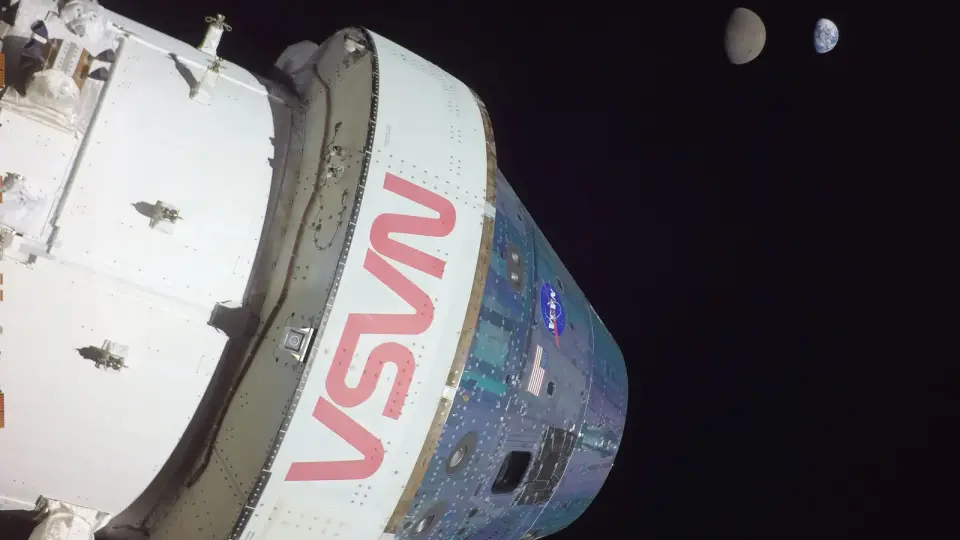
A new study confirms that the AstroRad radiation-shielding vest, developed by Israeli startup StemRad with support from the Israel Space Agency and Lockheed Martin, successfully passed testing during NASA’s Artemis I mission. The vest, worn by the 'phantom' Zohar inside the uncrewed Orion spacecraft, aims to protect astronauts from solar particle events, which pose a significant cancer risk during long-duration missions to the Moon and Mars. While traditional shielding like lead is ineffective against certain space particles due to weight constraints and secondary radiation issues, personal garments offer a viable alternative. This development addresses a major health challenge for future human exploration beyond Earth.
Key points
- The AstroRad vest was tested on the Artemis I mission in late 2022, worn by the Zohar phantom inside the Orion spacecraft.
- Developed by StemRad with support from the Israel Space Agency and Lockheed Martin, the vest targets protection against solar particle events.
- Solar particle events can significantly increase an astronaut's lifetime risk of radiation-induced cancer, making personal shielding critical for lunar and Mars missions.
- Traditional shielding materials like lead are impractical for spacecraft due to weight constraints and their tendency to generate harmful secondary X-rays when struck by beta particles.
- The study highlights personal shielding as a potential solution to mitigate radiation exposure where full spacecraft shielding is not feasible.
Background
This development aligns with NASA’s broader Artemis program goals, which include returning humans to the Moon and eventually extending human presence to Mars. Previous coverage noted that Artemis II and III missions are focusing on complex orbital maneuvers, crewed lunar landings, and safety studies, such as fire behavior in lunar gravity, to ensure the viability of long-duration human spaceflight. The focus on radiation protection complements these efforts by addressing health risks that could limit mission duration and astronaut safety.
Why it matters
Effective radiation shielding is a critical hurdle for long-duration human space exploration. The success of the AstroRad vest in Artemis I testing suggests that personal protective equipment could mitigate the health risks posed by solar particle events, potentially enabling safer and more sustained missions to the Moon and Mars. This advancement could influence future spacecraft design and astronaut safety protocols, reducing reliance on heavy, impractical shielding materials and addressing a key barrier to human exploration beyond Earth.
What to watch
Further testing and integration of the AstroRad vest or similar personal shielding technologies into future crewed missions, including Artemis III and subsequent lunar and Mars missions, will be crucial. Researchers and agencies like NASA and the Israel Space Agency may continue to refine these garments to ensure they effectively reduce radiation exposure without adding excessive weight or hindering astronaut mobility. Additionally, ongoing studies will likely evaluate the long-term efficacy of such shielding in mitigating cancer risks associated with solar particle events.
Want the full story? Read the original reporting
Read on Space