Tag

Radiation Protection

All articles tagged with #radiation protection

Gut Fungus Mucor racemosus Shows Promise in Mitigating Radiation Damage
science2 months ago

Gut Fungus Mucor racemosus Shows Promise in Mitigating Radiation Damage

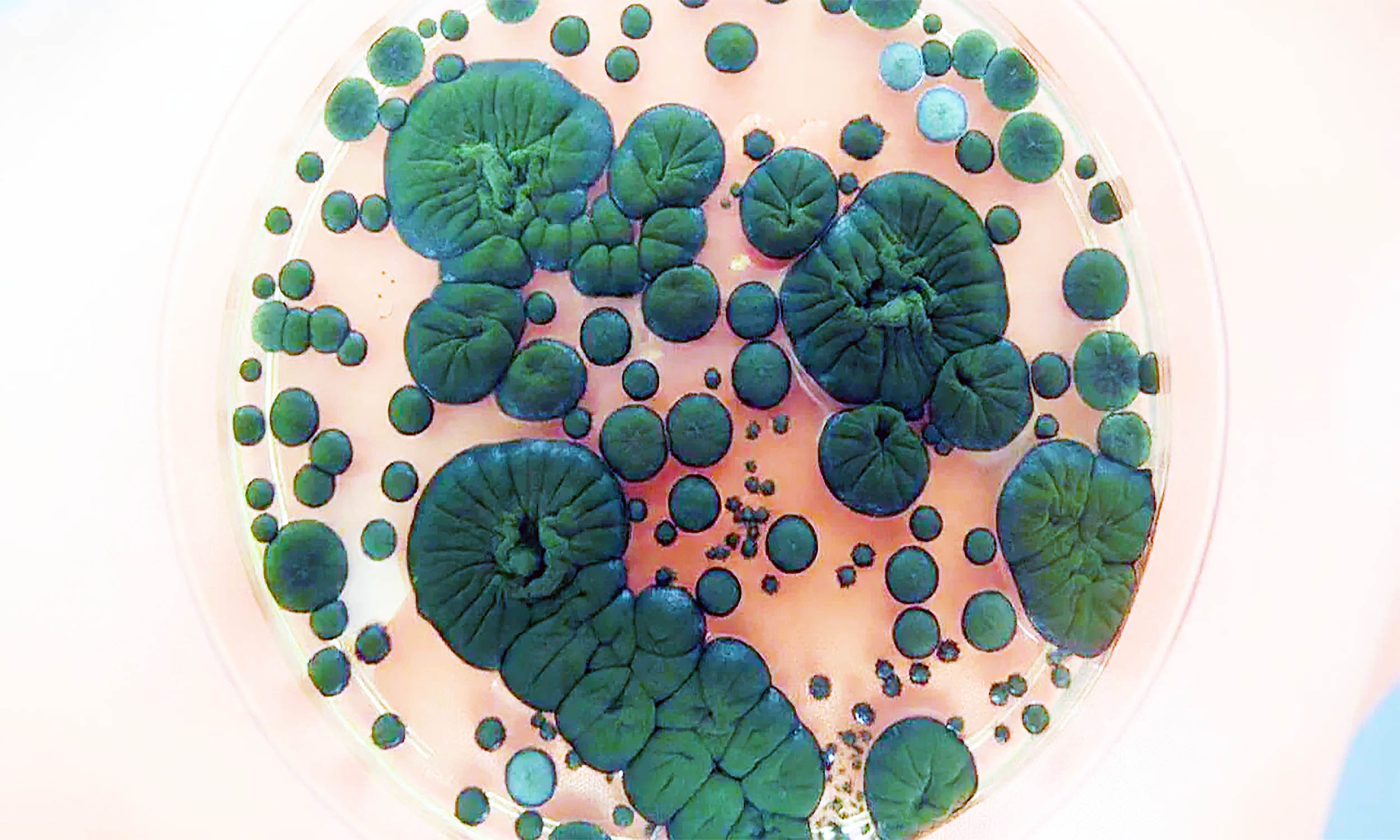
A new study published in PNAS reveals that the gut-dwelling fungus Mucor racemosus can protect hosts from radiation damage. In mouse trials, the fungus reduced weight loss, inflammation, and oxidative stress. It achieves this by producing specific amino acids that aid DNA repair and by modulating bacterial activity to boost protective chemicals. While promising, the fungus poses risks to immunocompromised individuals.
StemRad’s 16kg vest cuts lunar radiation dose by 60% in Artemis I test
science3 months ago

StemRad’s 16kg vest cuts lunar radiation dose by 60% in Artemis I test

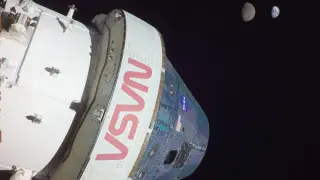
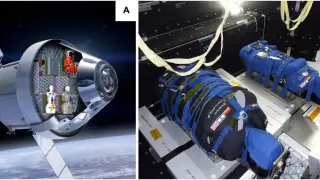
StemRad’s AstroRad vest, tested on NASA’s Artemis I mission, reduces solar storm radiation exposure by 60% without hindering movement. Using high-density polyethylene rods, the 16kg garment protects critical organs, extending astronaut career limits by up to 193 days per storm. It complements existing storm shelters but offers no protection against galactic cosmic rays.

AstroRad Vest Passes Artemis I Test, Offering Personal Shielding for Lunar and Mars Missions
space3 months ago

AstroRad Vest Passes Artemis I Test, Offering Personal Shielding for Lunar and Mars Missions

A new study confirms that the AstroRad radiation-shielding vest, developed by Israeli startup StemRad with support from the Israel Space Agency and Lockheed Martin, successfully passed testing during NASA’s Artemis I mission. The vest, worn by the 'phantom' Zohar inside the uncrewed Orion spacecraft, aims to protect astronauts from solar particle events, which pose a significant cancer risk during long-duration missions to the Moon and Mars. While traditional shielding like lead is ineffective against certain space particles due to weight constraints and secondary radiation issues, personal garments offer a viable alternative. This development addresses a major health challenge for future human exploration beyond Earth.

Hibernate to Mars: The Quest for Synthetic Torpor
science4 months ago

Hibernate to Mars: The Quest for Synthetic Torpor

Researchers are pursuing synthetic torpor—a hibernation-like state in humans—to cut metabolism, reduce radiation risks, and lessen food/water needs for long-duration space missions to Mars; while noninvasive triggers and early trials show promise, safely waking travelers remains a major hurdle, and initial practical applications are likely medical (e.g., organ preservation) before spaceflight, with timelines ranging from years to decades.

Curie’s Notebooks Still Emit Radioactivity After a Century
science5 months ago

Curie’s Notebooks Still Emit Radioactivity After a Century

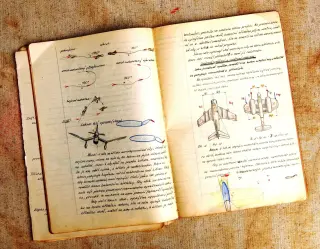
More than a century after Marie Curie’s experiments, her notebooks remain contaminated by radium-226 (half-life ~1,600 years). The original volumes are kept in lead-lined boxes at the Bibliothèque nationale de France, with researchers signing risk waivers and wearing protective gear to inspect them. Radium decays into other radioactive products (including radon), so the pages will remain hazardous for millennia, highlighting the lasting costs of early scientific discovery.

Enhancing Cosmic Ray Shielding for Mars Missions
science11 months ago

Enhancing Cosmic Ray Shielding for Mars Missions

Cosmic rays pose a significant challenge for human space travel beyond Earth, especially to Mars, due to their damaging effects on living organisms and equipment. Current physical shields are insufficient against high-energy cosmic rays, prompting research into biological protection methods such as antioxidants, hibernation-like states, and leveraging organisms like tardigrades. Advances in simulation and accelerator technology, along with increased research investment, are crucial for developing effective protection strategies to enable safe long-duration space missions.

Black Fungus at Chernobyl Evolves to Consume Radiation, Aiding Space Exploration
science11 months ago

Black Fungus at Chernobyl Evolves to Consume Radiation, Aiding Space Exploration

Scientists studying fungi at Chernobyl found that a black fungus, Cladosporium sphaerospermum, evolved to tolerate and grow toward radiation, leading to experiments on the ISS suggesting it could be used as a living radiation shield for space travel, thanks to its melanin content and water-rich biomass. The study indicates potential for biological radiation protection in future space missions, though further research is needed.

Small Animal's Potential to Aid Human Mars Colonization
science1 year ago

Small Animal's Potential to Aid Human Mars Colonization

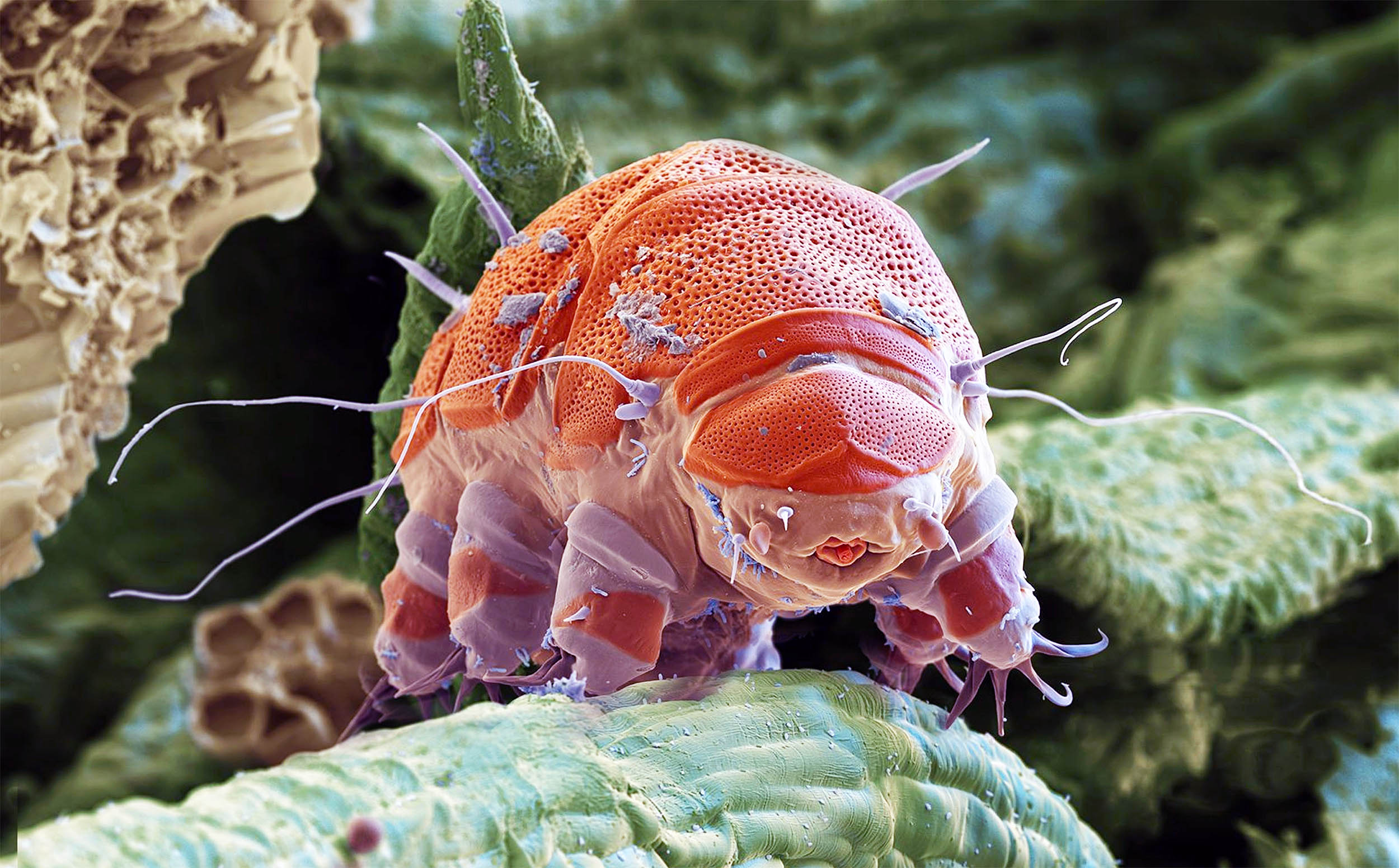
Tardigrades, tiny resilient animals, possess unique proteins like Dsup that protect their DNA from extreme radiation and environmental stresses, making them promising models for enhancing human space travel safety and developing resilient crops and medical supplies. Their ability to survive harsh conditions could inform future Mars colonization efforts and biotechnological applications on Earth.

"Mysterious 580ft Deep Hole on Mars Could Hold Key to Astronaut Survival"
science2 years ago

"Mysterious 580ft Deep Hole on Mars Could Hold Key to Astronaut Survival"

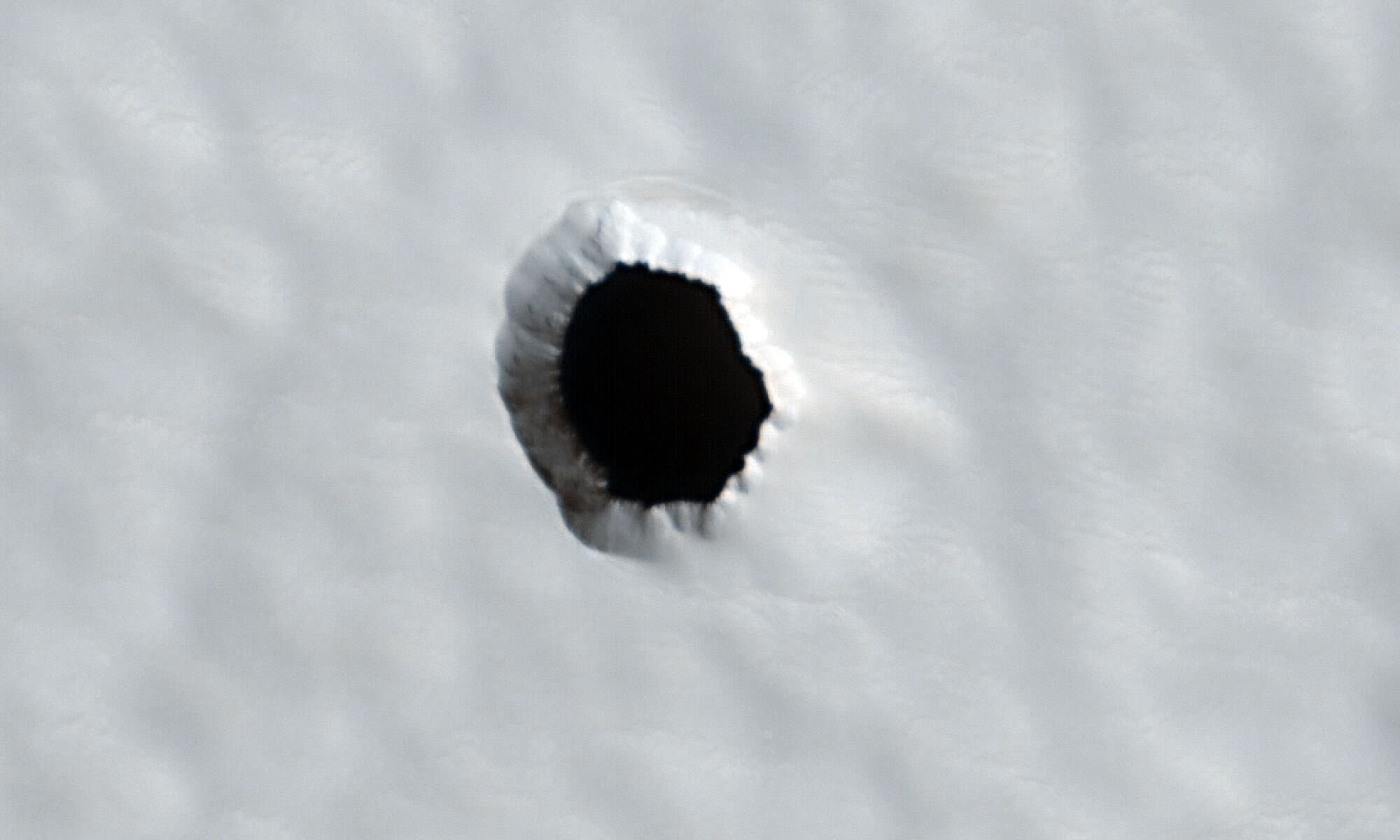
Scientists have discovered a mysterious pit on Mars' Arsia Mons volcano, which could be a skylight to a network of lava tubes. These natural caverns may offer crucial protection from Mars' harsh environment, including high radiation levels, making them potential habitats for future astronauts. Further exploration is needed to confirm if this pit leads to a larger underground cavern.

"Earth's Shifting Magnetic Field: A Vital Shield Against Radiation and Pole Reversals"
science-and-technology3 years ago

"Earth's Shifting Magnetic Field: A Vital Shield Against Radiation and Pole Reversals"

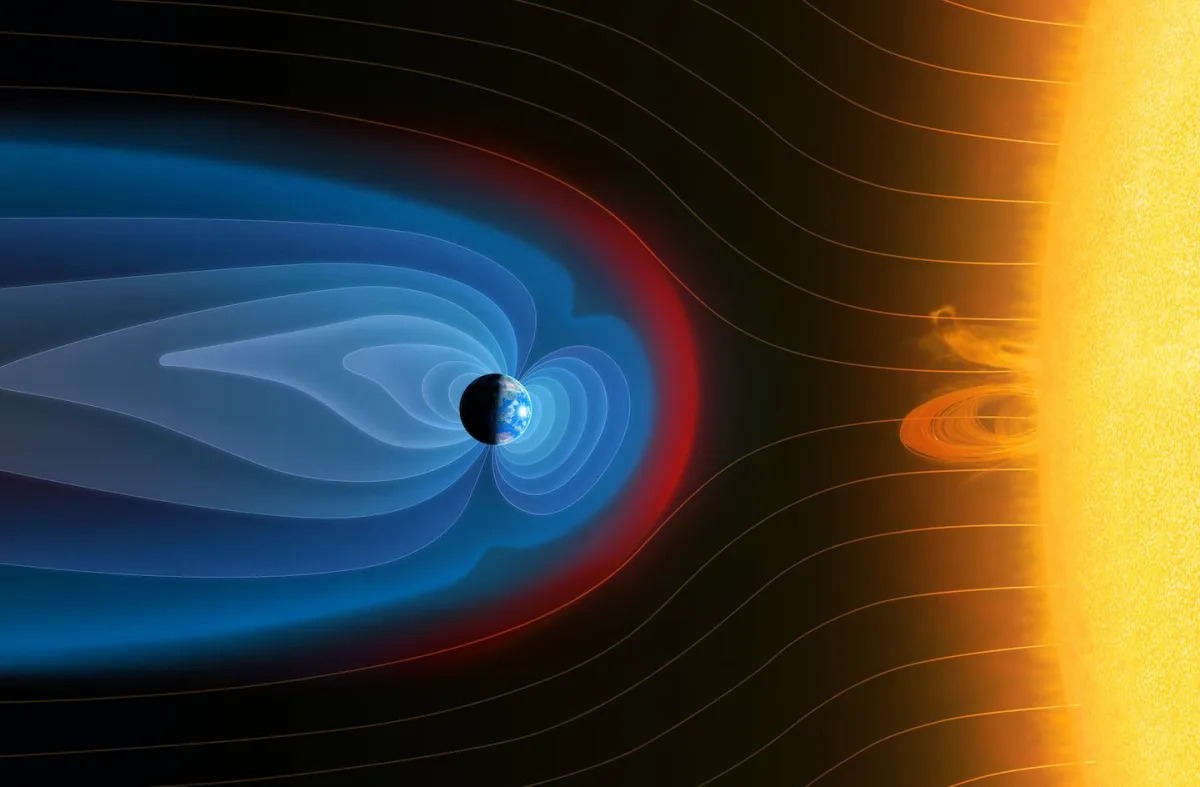
The Earth's magnetic field, generated by the movement of conducting layers in the planet's core, plays a crucial role in protecting life on Earth from harmful radiation and space weather events. Scientists have been tracking the movement of the magnetic poles, which indicate a change in the global geometry of the magnetic field and the potential for a field reversal. While reversals occur over thousands of years, they can have significant impacts on Earth's climate and modern technology. The Earth's magnetosphere, created by the magnetic field, acts as a protective bubble, shielding against cosmic radiation and interacting with solar wind. Understanding and monitoring the movement of Earth's magnetic field is essential for predicting and mitigating the effects of space weather on satellite communication, power grids, and other systems.

"Kombucha Breakthrough: Potential for Life on Mars Revealed"
science-and-technology3 years ago

"Kombucha Breakthrough: Potential for Life on Mars Revealed"

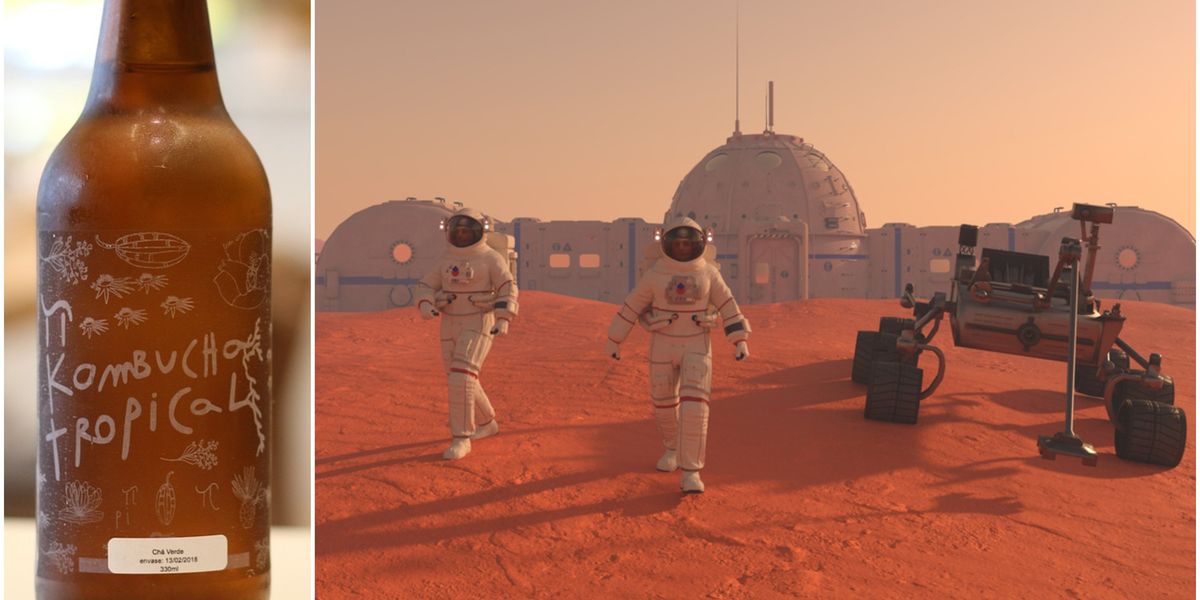
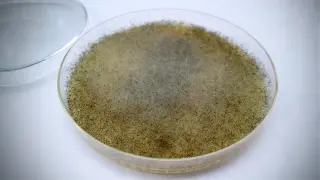
Scientists at the European Space Agency (ESA) have been studying kombucha cultures to assess their resilience in space and have found that they hold great promise for supporting humans on the Moon and Mars. The multi-species mixes of bacteria and yeast in kombucha can form biofilms, which are able to withstand extreme temperatures and radiation. These biofilms could potentially be used to shield organisms during longer space journeys and could also generate oxygen, making them self-sustaining life support systems for space settlements. The study of these microorganisms could also help develop radiation-protection strategies for astronauts and prevent contamination between Earth and other planets.