
Cassini's Grand Finale: Sampling Enceladus' Plumes Before a Deliberate Crash
TL;DR
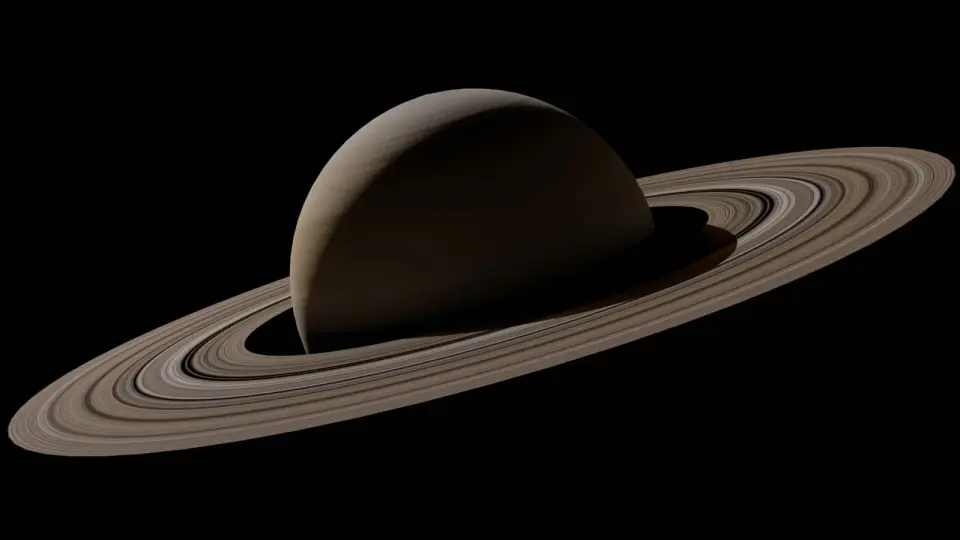
NASA’s Cassini spent 13 years circling Saturn, flying through Enceladus’ icy plumes to sample water and organic molecules (including hydrogen), hinting at a subsurface ocean and energy sources for life. To prevent potential Earth microorganisms contamination, the probe was steered into Saturn’s atmosphere in September 2017, ending the mission while preserving the ice moon’s ocean for future study.
- A probe called Cassini spent thirteen years orbiting Saturn, flew through the plumes of its moon Enceladus, tasted water and organic molecules in the spray, and then was deliberately crashed into Saturn's atmosphere in 2017 so it could not contaminate what Space Daily
- For The First Time, Scientists 'Heard' Plasma Waves Passing Between Saturn And Enceladus ScienceAlert
- In 2008, Cassini skimmed past Enceladus’s south pole and flew straight through a plume of icy material erupting from cracks in the moon’s surface. The encounter lasted only minutes, but nearly two decades later, data from that flyby is still revealing new organ Space Daily
Want the full story? Read the original reporting
Read on Space Daily