
Crew-13 Launch Postponed After Dragon Oxidizer Leak Detected
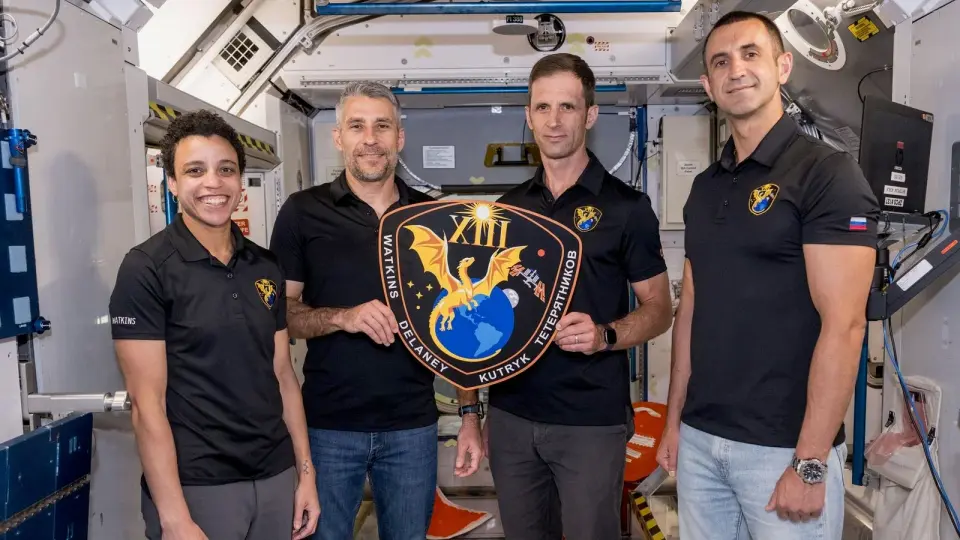
SpaceX and NASA have delayed the Crew-13 mission to the International Space Station due to an oxidizer leak in the Dragon spacecraft’s propulsion system. The launch, originally scheduled for September 12, 2026, has been pushed back while teams conduct tests and rework. The four-person crew, including astronauts Jessica Watkins, Luke Delaney, Joshua Kutryk, and Sergey Teteryatnikov, will join Expedition 75 for a seven-month stay. A new launch date has not yet been announced.
Key points
- The Crew-13 launch was delayed due to an oxidizer leak in the Dragon spacecraft’s propulsion system, detected during prelaunch processing.
- The original launch date was September 12, 2026, from Cape Canaveral Space Force Station on a Falcon 9 rocket.
- The crew consists of NASA astronauts Jessica Watkins and Luke Delaney, Canadian Space Agency astronaut Joshua Kutryk, and Roscosmos cosmonaut Sergey Teteryatnikov.
- The crew will join Expedition 75 on the ISS for a seven-month mission focused on station maintenance and spacewalks.
- A new launch date has not yet been announced as NASA and SpaceX complete necessary rework and testing.
Background
Crew-13 is the 13th operational astronaut mission SpaceX has flown to the ISS for NASA, following the Demo-2 test flight in 2020. The mission was part of NASA’s ongoing commercial crew program, which relies on SpaceX’s Dragon spacecraft for crew transport. Previous missions have included similar crew rotations and maintenance tasks, with astronauts often conducting spacewalks and scientific experiments. The delay highlights the rigorous prelaunch checks required to ensure crew safety, as even minor issues like leaks can necessitate significant postponements.
How outlets are covering it
Space.com and NASA both confirmed the delay due to the oxidizer leak, with NASA emphasizing the need for additional tests and rework. Aviation Week highlighted the leak as a threat to the planned launch date, focusing on the technical issue. MarketScreener reported the delay as a significant event for SpaceX, noting the impact on the company’s operations. All sources agree on the cause of the delay but differ in emphasis, with NASA and Space.com focusing on the technical process and Aviation Week and MarketScreener on the broader implications for SpaceX and the mission timeline.
Why it matters
The delay of Crew-13 underscores the importance of rigorous prelaunch checks in ensuring crew safety, even for well-established missions. It also highlights the ongoing reliance on SpaceX’s Dragon spacecraft for NASA’s commercial crew program, despite the transition toward Starship. The delay may impact the timeline for future missions and the overall schedule of the ISS program, as well as the operational plans for the crew, who were expected to conduct maintenance and scientific experiments. For SpaceX, the delay could affect its reputation and operational schedule, as the company continues to balance its commercial and government contracts.
What to watch
NASA and SpaceX will continue to conduct tests and rework on the Dragon spacecraft to address the oxidizer leak. A new launch date will be announced once the necessary repairs are complete and the spacecraft is deemed safe for launch. The crew will enter quarantine about two weeks prior to the new launch date, as per standard protocol. The delay may also impact the timeline for future missions and the overall schedule of the ISS program, as well as the operational plans for the crew.
- SpaceX, NASA delay next astronaut launch to ISS due to leak on Dragon spacecraft Space
- NASA, SpaceX Postpone ISS Mission Launch After Spacecraft Leak Bloomberg.com
- NASA, SpaceX Adjust Crew-13 Launch Date NASA (.gov)
- Dragon Oxidizer Leak Threatens Planned Crew-13 Launch Date aviationweek.com
- SpaceX, NASA Delay Launch of Manned International Space Station Mission Over Spacecraft Leak marketscreener.com
Want the full story? Read the original reporting
Read on Space