
ISS robotic arm transporter hits communication snag ahead of Crew-13 launch
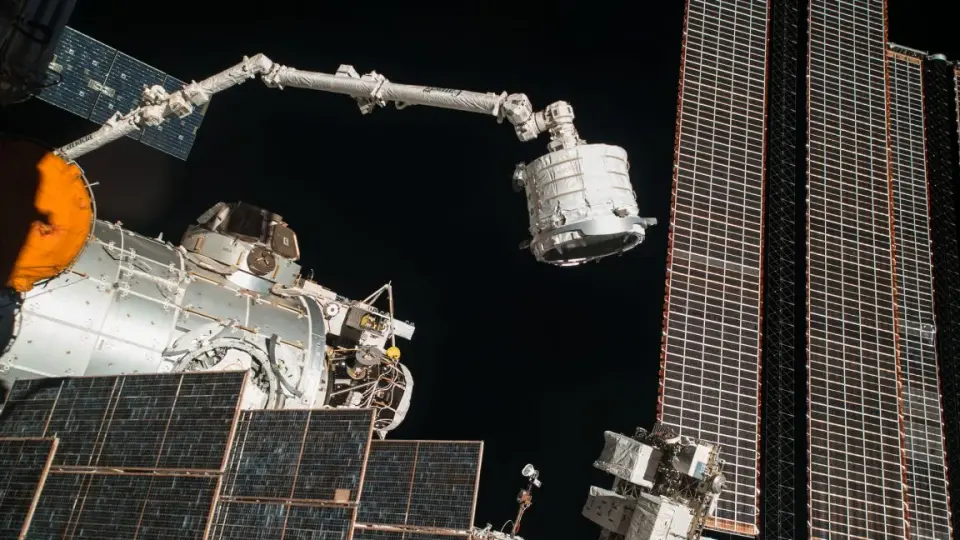
NASA is investigating communication errors in the mobile transporter for the Canadarm2 robotic arm on the International Space Station. The arm itself is functioning normally, but the transporter’s non-robotic components are experiencing issues that could affect future movements. NASA and SpaceX are also checking for GPS interference that might impact the docking of the Crew-12 Dragon spacecraft. The agency expects to resolve the problem before the Crew-13 launch and will provide updates at a press conference on September 30.
Key points
- The Canadarm2 robotic arm, which has operated beyond its 15-year design life since 2001, is currently working as expected.
- The mobile transporter that guides the arm along the station’s truss is experiencing communication errors in its non-robotic components.
- NASA is troubleshooting the issue to ensure the transporter can move from its current worksite (Worksite 6) without further problems.
- SpaceX and NASA are verifying that the transporter’s position is not causing GPS interference that could affect the Crew-12 Dragon’s docking capabilities.
- The agency expects to resolve the issue before the Crew-13 launch and will provide updates at a press conference on September 30.
Background
The Canadarm2 has been a critical component of the ISS for over two decades, far exceeding its original 15-year design life. It has been essential for berthing cargo vehicles and moving large hardware around the station. As the ISS approaches its 30th anniversary and NASA plans to transition to private space stations by 2030, any issues with such a vital system highlight the challenges of operating aging infrastructure in space. The agency is also preparing for the retirement of the Dragon vehicle within four years, which could make the robotic arm even more crucial for future cargo missions.
Why it matters
The Canadarm2 is a vital tool for the ISS, used for berthing spacecraft, moving large hardware, and supporting spacewalks. Any issues with the mobile transporter could disrupt these operations, especially as the station ages and NASA prepares for a transition to private space stations. The potential loss of the robotic arm, even if temporary, could have significant implications for cargo missions and the overall functionality of the ISS. This incident underscores the importance of maintaining and troubleshooting aging space infrastructure as the agency plans for the future of space exploration.
What to watch
NASA and SpaceX are actively working to resolve the communication errors in the mobile transporter and ensure there is no GPS interference affecting the Crew-12 Dragon’s docking capabilities. The agency expects to resolve the issue before the Crew-13 launch and will provide updates at a press conference on September 30. The successful resolution of this issue will be crucial for the continued operation of the ISS and the smooth transition to private space stations in the future.
Want the full story? Read the original reporting
Read on Ars Technica