
Link Servicer Eyes Rescue of Swift Observatory, but Itself Faces Troubles
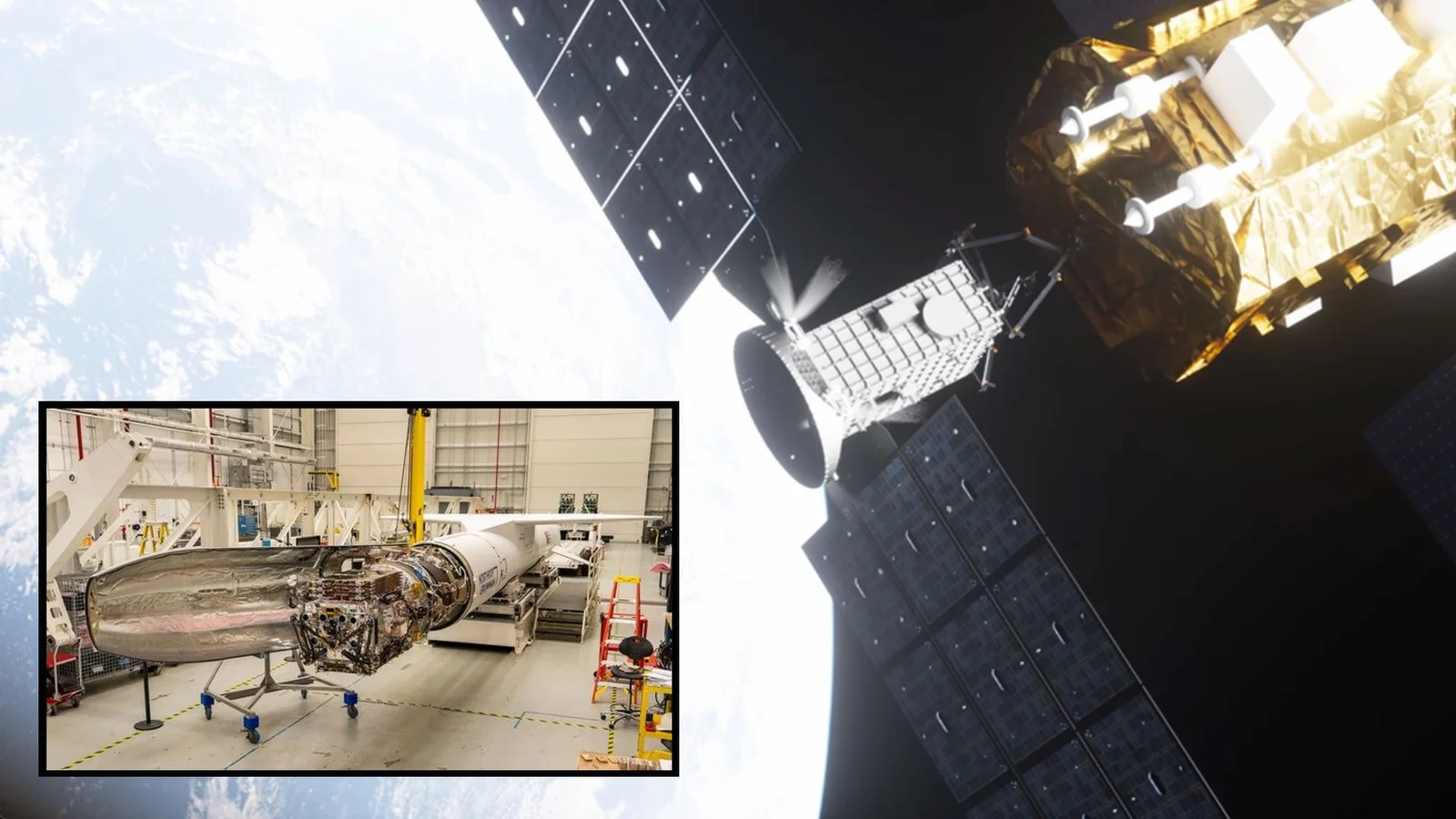
NASA launched the LINK servicing spacecraft to rendezvous with the Neil Gehrels Swift Observatory in low Earth orbit to grab and boost the aging satellite and extend its life. LINK is already experiencing attitude-control issues (two of its three reaction wheels are not working) and a thruster problem, so engineers will use its electric propulsion to stop spinning and then attempt to capture Swift with robotic arms to lift it to a higher orbit. Swift, launched in 2004 for gamma-ray-burst science, has a decaying orbit and cannot boost itself; the Swift Boost mission cost about $30 million, versus Swift’s $250 million price tag. If successful, Swift’s life is extended; if not, NASA will reassess.
- NASA launched this spacecraft to save a satellite. Now, it needs saving too Space
- Reaction wheel failures leave Swift rescue mission spinning in orbit Ars Technica
- Commissioning Update for Spacecraft to Boost NASA’s Swift NASA Science (.gov)
- Rescue mission to save NASA’s Swift space telescope is imperiled in orbit scientificamerican.com
- Private mission to rescue NASA’s aging telescope runs into its own trouble AP News
Reading Insights
0
47
130 min
vs 131 min read
100%
26,198 → 114 words
Want the full story? Read the original article
Read on Space