Tag

Swift Observatory

All articles tagged with #swift observatory

Swift Observatory Captures Final Cosmic Images Before November Re-entry
science4 days ago

Swift Observatory Captures Final Cosmic Images Before November Re-entry

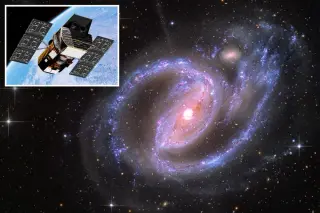
NASA’s Neil Gehrels Swift Observatory has transmitted new images of distant galaxies and the Small Magellanic Cloud just weeks before its expected atmospheric re-entry. The 21-year-old spacecraft, which detects gamma-ray bursts, is currently orbiting at approximately 200 miles above Earth. Its orbit is decaying rapidly due to increased solar activity. A previous rescue attempt by Katalyst Space failed in the summer, leaving the observatory to burn up in the atmosphere, potentially in November. The latest data includes views of NGC 1097 and NGC 4151, highlighting the telescope’s continued scientific value despite its impending end.

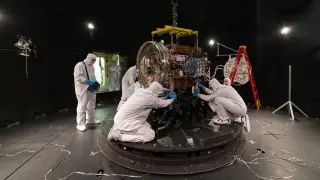
Swift Observatory to Burn Up as Failed Rescue Mission Ends in Atmospheric Reentry
space12 days ago

Swift Observatory to Burn Up as Failed Rescue Mission Ends in Atmospheric Reentry

NASA’s Neil Gehrels Swift Observatory is rapidly decaying toward Earth after a failed commercial rescue mission. The telescope, which has operated for over two decades, is expected to reenter the atmosphere and burn up in early to mid-October. Although the $30 million effort by Katalyst Space Technologies failed to boost Swift’s orbit, it provided critical data for future satellite servicing technologies. Scientists have resumed observations to maximize data collection before the inevitable end, accepting that this activity accelerates the telescope's descent.

Swift Observatory to Reenter Atmosphere After Failed Rescue Mission
space12 days ago

Swift Observatory to Reenter Atmosphere After Failed Rescue Mission

NASA’s Neil Gehrels Swift Observatory is expected to burn up in Earth’s atmosphere later this year after a rapid-response rescue mission failed. Katalyst Space Technologies built and launched the 'Link' satellite in nine months to boost Swift’s orbit, but technical malfunctions prevented the capture. While the rescue failed, the mission demonstrated that commercial satellite servicing can be executed on aggressive timelines and at a fraction of traditional government costs.

Swift Observatory to burn up after failed rescue; LINK mission ends
science13 days ago

Swift Observatory to burn up after failed rescue; LINK mission ends

NASA’s Neil Gehrels Swift Observatory is expected to re-enter Earth’s atmosphere and burn up in early to mid-October 2026. The 22-year-old telescope, which weighs 3,200 pounds, is currently at an altitude of 200 miles and will drop below 185 miles, where operations become unfeasible. A $30 million rescue attempt by Katalyst Space’s LINK satellite failed due to orientation issues and fuel depletion. Although the boost failed, LINK successfully demonstrated robotic arm deployment and close-proximity maneuvers before re-entering on September 25. Swift will continue limited observations until its orbit decays further, with no immediate replacement planned.

Katalyst’s Link spacecraft re-enters Earth after failed Swift telescope rescue
space18 days ago

Katalyst’s Link spacecraft re-enters Earth after failed Swift telescope rescue

The Link spacecraft, launched in July to rescue the aging Neil Gehrels Swift Observatory, has re-entered Earth’s atmosphere after failing to boost the telescope’s orbit. The 85-day mission ended in failure due to technical issues, leaving Swift to decay and re-enter in November. NASA and Katalyst view the attempt as a valuable test of commercial satellite servicing capabilities despite the outcome.

Swift Observatory restarts telescopes for final observations as LINK mission ends
space1 month ago

Swift Observatory restarts telescopes for final observations as LINK mission ends

NASA's Swift Observatory will reenter Earth's atmosphere by year's end after its rescue mission failed. The agency has restarted two of Swift's three telescopes to maximize data collection before it burns up. Meanwhile, Katalyst Space's LINK spacecraft, which failed to save Swift due to attitude control issues, will also deorbit within weeks after completing a series of technology demonstrations.

Swift Observatory Back in Action as Private Boost Mission Fails and Orbit Decays
space1 month ago

Swift Observatory Back in Action as Private Boost Mission Fails and Orbit Decays

NASA's Neil Gehrels Swift Observatory has resumed two of its three science instruments (XRT and UVOT) after a private rescue mission aimed at boosting its orbit failed; the Burst Alert Telescope remains offline. NASA abandoned the orbital-boost plan following attitude-control issues with LINK, and Swift now relies on low-drag operations. With no propulsion to counter atmospheric drag, its orbit is decaying and is expected to reach a critical altitude in 1–2 months, likely resulting in reentry and burn-up later this year, though the telescope will continue to observe the cosmos until then.

Swift Telescope Set for Uncontrolled Reentry After Failed Rescue
space1 month ago

Swift Telescope Set for Uncontrolled Reentry After Failed Rescue

NASA’s Neil Gehrels Swift Observatory, launched in 2004 to study gamma-ray bursts, is expected to reenter Earth in an uncontrolled descent after a private rescue mission (LINK) failed to rendezvous. Timing is uncertain, with officials saying reentry likely won’t happen before October, and most of the spacecraft is expected to burn up, though some components could survive and reach the ground. Swift’s ~613 kg dry mass and 21-degree orbital inclination mean debris could land anywhere from 21°N to 21°S, most likely in the sea; ground casualties are considered unlikely. NASA will share updates as reentry approaches.)

Rescue Mission for Swift Satellite Fails, But Sparks Lessons for Future Space Tugs
technology1 month ago

Rescue Mission for Swift Satellite Fails, But Sparks Lessons for Future Space Tugs

NASA and Katalyst Space Technologies attempted to rescue NASA's Swift gamma-ray burst satellite by using Link to grab and boost it back into orbit, but Link spiraled out of control and ran low on xenon fuel, forcing the mission to abort. Link will instead conduct proximity maneuvers near Swift to test salvage techniques for future operations. Swift is expected to re-enter Earth’s atmosphere later this year with minimal risk to people on the ground. While unsuccessful, the mission yielded valuable lessons for future space-rescue efforts.

Rescue attempt for NASA's Swift observatory ends in failure
science-space1 month ago

Rescue attempt for NASA's Swift observatory ends in failure

NASA's Neil Gehrels Swift Observatory, in orbit for nearly 22 years, is steadily losing altitude and is expected to reenter Earth's atmosphere later this year. A companion LINK satellite launched to boost Swift could not complete the rescue due to ongoing attitude-control issues, delaying rendezvous and preventing a higher orbit, with NASA and its partner reframing the mission as a demonstration for future in-space servicing while other observatories fill the observational gap.

Swift bust, Oura Ring suit, Windows RGB hiccups, and ASCII CITY prototype
technology1 month ago

Swift bust, Oura Ring suit, Windows RGB hiccups, and ASCII CITY prototype

Hackaday’s links for August 23, 2026 cover four tech notes: NASA’s Swift Observatory mission suffers a setback as the LINK spacecraft can’t safely dock, leading to an expected reentry; TechCrunch reports a class-action against Oura Ring over sleep-stage claims, with Oura defending its methodology; Microsoft investigates Windows August updates that disrupt certain games due to the inpoutx64 component, offering registry workarounds; and ASCII CITY releases a playable prototype of a single-file HTML‑5 3D cyberpunk city.

Flagstaff Rescue Fails: Swift Observatory Headed for Fiery Reentry
science1 month ago

Flagstaff Rescue Fails: Swift Observatory Headed for Fiery Reentry

Flagstaff-based Katalyst Space Technologies canceled its Link rescue mission for NASA’s Swift Observatory after Link could not be controlled to capture or boost the telescope; Swift will reenter the atmosphere later this year, with NASA not expecting the demise before October. NASA paid about $30 million for the attempt, and Katalyst will continue to operate Link nearby to demonstrate proximity operations for future rescues. Had the mission succeeded, Hubble could have been next, but its status remains unclear.

NASA Halts Swift Rescue Mission as Observatory Nears Re-entry
space1 month ago

NASA Halts Swift Rescue Mission as Observatory Nears Re-entry

NASA canceled the plan to boost the Neil Gehrels Swift Observatory to a higher orbit after LINK’s attitude-control issues; the telescope is expected to re-enter Earth’s atmosphere later this year. LINK will still rendezvous with Swift to gather data, but the mission will not rescue or extend Swift’s life. NASA will pursue alternative options to react rapidly to cosmic events and learn from the rendezvous attempt for future satellite-servicing missions.

Rescue mission for Swift gamma-ray telescope canceled as reentry looms
science1 month ago

Rescue mission for Swift gamma-ray telescope canceled as reentry looms

NASA and Katalyst have canceled the Link rescue mission intended to reach and boost the Swift gamma-ray observatory into a higher orbit. Ongoing attitude-control issues—two reaction wheels failed and thrusters struggled—prevented Link from completing the rendezvous. Without the rescue, Swift is expected to reenter Earth's atmosphere later this year, though the teams will continue to extract technical value and demonstrate aspects of proximity operations that could inform future servicing missions.