
NASA Sets First Mars Dust Exposure Limits to Protect Future Crews
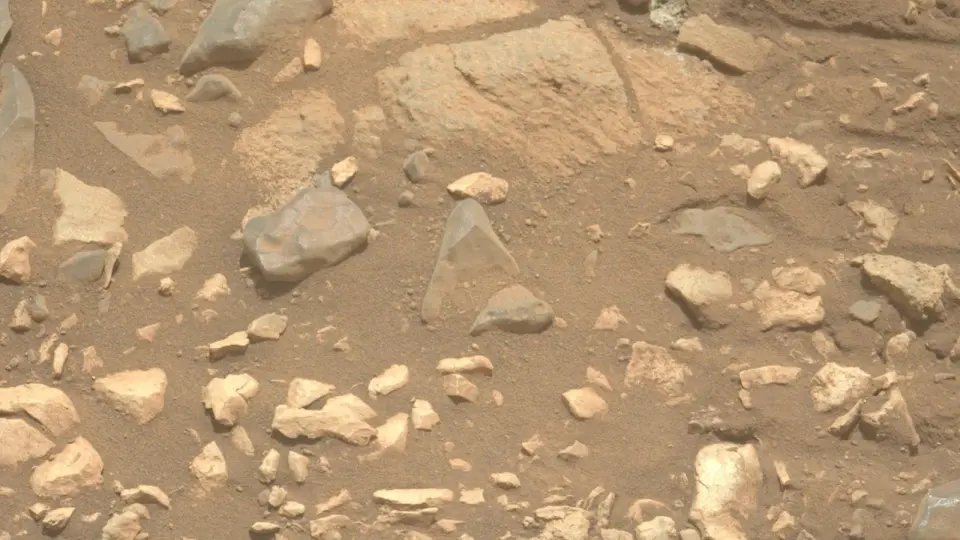
NASA has established the first permissible exposure limits for Martian dust to protect future astronauts. A new working group concluded that while Mars dust is toxic, strict standards must balance safety with operational feasibility. The report emphasizes prevention, such as keeping dust out of habitats and monitoring air quality, rather than relying on medical treatments after exposure.
Key points
- NASA formed a Martian Dust Limit Working Group earlier this year to assess toxicological hazards for human crews.
- The group included experts in space medicine, habitat design, toxicology, volcanology, and geology.
- The resulting report recommends a 'prevention first' strategy, focusing on excluding dust from habitats and rapid removal if it enters.
- The initial standard is designed to be conservative but operationally feasible, acknowledging current scientific uncertainties.
- The report states that exposure limits should be revisited as more data on Martian dust toxicology becomes available.
Background
Previous concerns about Martian dust include its potential to contaminate water and food, as noted by astrophysicist Adam Becker in July 2026. Additionally, the 2018 global dust storm ended the Opportunity rover's mission, highlighting the severe impact of dust on equipment. Recent studies also suggest solar storms may intensify Martian dust events, further complicating long-term habitat planning.
Why it matters
Establishing these limits is critical for the safety of future human missions to Mars. Without defined exposure standards, astronauts risk long-term health issues from inhaling toxic particles. This framework provides a baseline for designing habitats and life-support systems that can withstand the Martian environment, ensuring that human exploration remains viable and sustainable.
What to watch
NASA will likely use these initial limits to guide the design of future Mars habitats and life-support systems. As more data is collected from current and future missions, the exposure limits are expected to be updated. Researchers will continue to study the specific toxicological effects of Martian dust on human health to refine these standards.
Want the full story? Read the original reporting
Read on Space