
Mars Odyssey and Perseverance Halt Science Operations Over Separate Hardware Failures
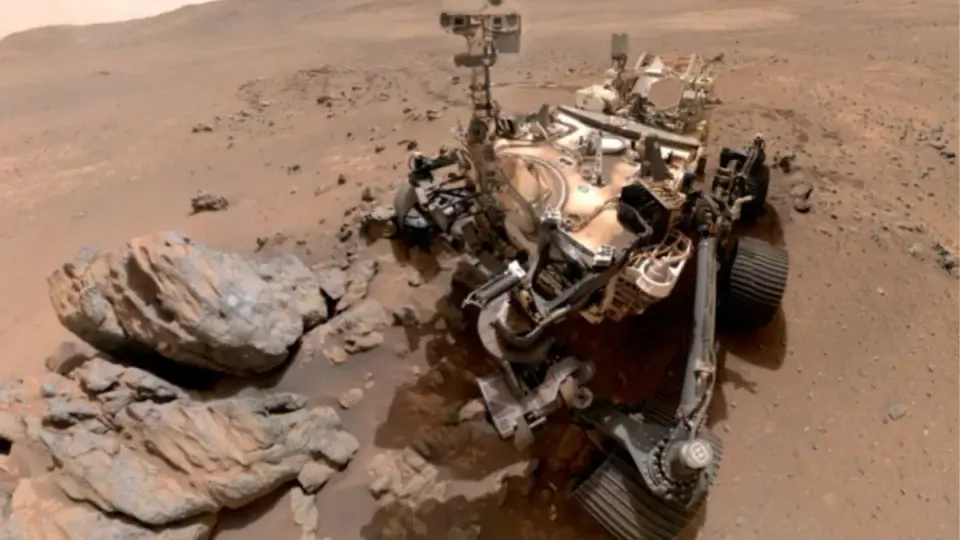
NASA has paused scientific operations for both the Perseverance rover and the Mars Odyssey orbiter due to distinct technical malfunctions. Perseverance is experiencing issues with its primary and backup UHF radios, forcing it to use a slower direct-to-Earth link. Odyssey has lost a second reaction wheel, threatening its ability to orient itself without burning through limited fuel. NASA aims to restore both missions by the end of November 2026.
Key points
- Perseverance entered safe mode on October 30 after its primary radio failed to send heartbeat pings; engineers discovered the backup radio was transmitting at half power, leading to a pause in science operations to conserve bandwidth for diagnostics.
- Mars Odyssey entered safe mode between November 4 and 6 after a reaction wheel stopped spinning; the spacecraft now relies on hydrazine thrusters for orientation, with only one to two months of fuel remaining if the wheel cannot be recovered.
- Both missions are currently communicating or operating in reduced capacity; Perseverance uses X-band communications with NASA’s Deep Space Network, while Odyssey’s science instruments remain offline pending further tests on the malfunctioning wheel.
- NASA hopes to resume science operations for both missions by the end of November 2026, with Odyssey’s tests concluding in the last week of the month.
Background
Perseverance recently set a new record for the farthest distance traveled on another planet, surpassing Opportunity’s milestone in half the time. Meanwhile, NASA has initiated the Perseverance Sample Retrieval Architecture (PSRA) to reassess the strategy for returning Martian samples to Earth, following the cancellation of the original Mars Sample Return program. These developments highlight the ongoing challenges and strategic shifts in NASA’s Mars exploration efforts.
How outlets are covering it
Gizmodo and NASA Science emphasize the technical details of the glitches, such as the 25 missed heartbeats for Perseverance and the specific timeline for Odyssey’s safe mode. Space.com highlights the potential impact on the Mars Relay Network and the importance of Odyssey’s long-term mission. The Register notes the broader context of technology issues, comparing the Mars glitches to recent outages on Earth, and mentions the potential role of ESA’s Mars Express and Trace Gas Orbiter in relay duties if Odyssey fails. All sources agree on the timeline for potential recovery but differ in their emphasis on the severity and implications of the failures.
Why it matters
The simultaneous glitches on two of NASA’s most critical Mars missions highlight the challenges of long-duration space exploration and the importance of robust fault protection systems. The potential loss of Odyssey’s reaction wheel could significantly impact data relay capabilities for other Mars missions, while Perseverance’s radio issues may delay scientific data collection. These events underscore the need for continued investment in spacecraft maintenance and the development of backup systems to ensure the success of future Mars missions.
What to watch
NASA will continue to investigate the causes of the glitches and work on recovering the affected systems. For Perseverance, engineers are focusing on restoring the backup radio to operational status before addressing the primary radio. For Odyssey, further tests will determine if the malfunctioning reaction wheel can be recovered, with results expected by the end of November 2026. If the wheel cannot be recovered, NASA will rely on hydrazine thrusters for orientation, with limited fuel remaining.
- Perseverance Rover and Mars Odyssey Glitch Out at the Same Time Gizmodo
- NASA’s Perseverance, Odyssey Teams Investigate Technical Issues NASA Science (.gov)
- Trouble at Mars: NASA's Perseverance rover, Odyssey orbiter halt science work due to glitches Space
- NASA Mars rover and orbiter suffer glitches The Register
- Mars Odyssey, the longest-running Mars mission, is under threat Universe Space Tech
Want the full story? Read the original reporting
Read on Gizmodo