
NASA Commits to Boeing Starliner as Sole US Astronaut Transport Post-Dragon
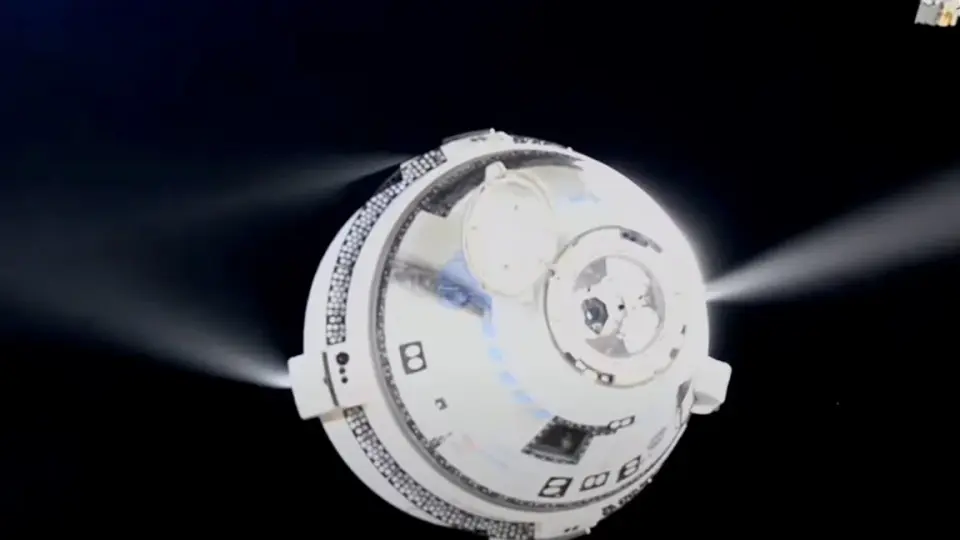
NASA has confirmed it will purchase two additional Starliner flights and provide $359 million to Boeing to fix technical issues and certify the Vulcan rocket. This move secures Boeing as the primary provider of US astronaut transportation to low Earth orbit after SpaceX’s Crew Dragon is expected to retire by 2030. The agency cited the high cost of developing new competitors and the existing investment in Starliner as reasons for continuing the partnership, despite Boeing’s history of delays and technical failures.
Key points
- NASA announced it will exercise options for two more crewed Starliner missions, bringing the total to six flights.
- The agency will pay Boeing $359 million to rebuild overheating thrusters and certify the Vulcan rocket for human missions.
- NASA Administrator Jared Isaacman stated that SpaceX intends to retire older platforms like Falcon and Dragon to focus on Starship.
- Boeing has incurred over $2 billion in losses on the program, with NASA having already provided $5.1 billion under the fixed-price Commercial Crew contract.
- The first new crewed mission, Starliner-2, is targeted for mid-2028 and will be commanded by astronaut Woody Hoburg.
- An uncrewed demonstration flight, Starliner-1, is scheduled for December 2026 or January 2027.
Background
Boeing’s Starliner has faced significant hurdles, including thruster issues during the 2024 crew test flight that nearly endangered astronauts Butch Wilmore and Suni Williams. NASA had previously considered letting the program lapse, but the impending retirement of SpaceX’s Crew Dragon by 2030 forced a reevaluation. The agency is also extending the International Space Station’s life to 2032 and supporting commercial low Earth orbit destinations, creating a need for reliable crew transport. Critics suggested a new competition involving Blue Origin or The Exploration Company, but NASA deemed the cost prohibitive.
How outlets are covering it
Ars Technica highlights the tension between Boeing’s enthusiasm and its track record of failures, noting that Boeing could not provide detailed pricing to commercial partners due to uncertified hardware. NASA’s official media advisory focuses on the upcoming briefing and the collaborative nature of the update, listing key participants like Administrator Isaacman and Boeing’s John Mulholland. While Ars emphasizes the risk of a Boeing monopoly and the financial burden on taxpayers, NASA frames the decision as a necessary step to maintain access to low Earth orbit without incurring the billions of dollars required for a new competitive program.
Why it matters
This decision solidifies Boeing’s role as the sole US provider of crewed access to low Earth orbit for the next decade, potentially creating a monopoly that could affect pricing and reliability. It also signals a shift in NASA’s strategy from developing multiple commercial providers to relying on a single, albeit troubled, partner to bridge the gap until next-generation systems are ready. The financial commitment underscores the high stakes of maintaining human presence in space and the risks associated with single-source dependencies.
What to watch
Boeing must successfully complete the thruster rebuild and secure certification for the Vulcan rocket. The uncrewed Starliner-1 flight is expected in late 2026 or early 2027, followed by the crewed Starliner-2 mission in mid-2028. Boeing will also need to finalize pricing agreements with commercial low Earth orbit destination providers for the 2030s, a process currently stalled due to the lack of certified hardware.
- Boeing “incredibly excited” to serve as nation’s only astronaut transportation Ars Technica
- NASA ramps up support to get Boeing’s astronaut capsule flying after Butch and Suni fiasco apnews.com
- NASA, Boeing to Provide Update on Starliner Development NASA (.gov)
- NASA, Boeing Share Update on Commercial Starliner Development Plans NASA (.gov)
- Watch live: NASA, Boeing give update on future of Starliner The Hill
Want the full story? Read the original reporting
Read on Ars Technica