
Skylab ends a six-year orbit as debris in Western Australia becomes museums and a rain-catching keepsake
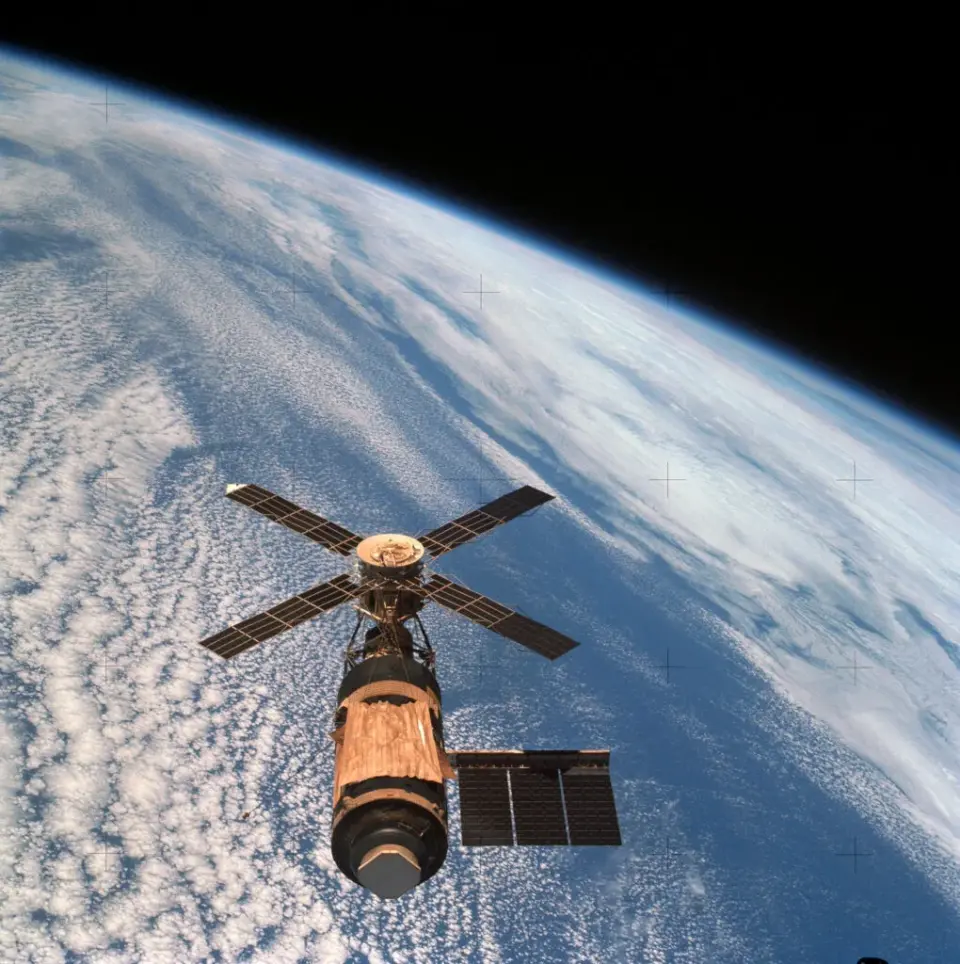
TL;DR
Skylab, NASA’s first space station, cost roughly $2.2 billion, hosted nine astronauts on three missions for a combined 171 days, and spent just over six years in orbit before re-entering in July 1979. Debris scattered over Western Australia, with pieces ending up in museums, private collections, and even a rain-catching trough made from an oxygen-tank lid. The project demonstrated long-duration spaceflight, orbital maintenance, and helped lay groundwork for later programs like Shuttle–Mir and the International Space Station.
- Skylab cost roughly $2.2 billion, hosted nine astronauts across three missions and remained in orbit for just over six years — before breaking apart over Western Australia, where its remains became museum exhibits, Lucite-encased souvenirs and, according t Space Daily
- NASA's first space station weighed 77 tons and its launch nearly destroyed it, but engineers saved the thing with an improvised parasol, and when it finally fell out of orbit in 1979 a small Australian town fined the agency $400 for littering. 19FortyFive
- NASA's space station went out of orbit and dropped tons of debris over Australia 45 years ago: learn the story of Skylab, the first US space station that weighed 77 tons and turned a predicted disaster into a lesson for all space exploration. CPG Click Oil and Gas
Want the full story? Read the original reporting
Read on Space Daily