Tag

Skylab

All articles tagged with #skylab

A 1973 Venus Flyby: NASA's 396-Day Three-Astronaut Interplanetary Dream
space25 days ago

A 1973 Venus Flyby: NASA's 396-Day Three-Astronaut Interplanetary Dream

NASA once explored a bold 1973 plan to send three astronauts on a 396-day Venus flyby using modified Apollo hardware and a Saturn V, with a wet-workshop habitat in the S-IVB and gravity assist to return to Earth while deploying atmospheric probes; the mission would have tested year-long life support and deep-space operations, but budget and political priorities shifted, ending the proposal and shaping Skylab as the lasting offshoot of Apollo-era spaceflight.
Skylab ends a six-year orbit as debris in Western Australia becomes museums and a rain-catching keepsake
space1 month ago

Skylab ends a six-year orbit as debris in Western Australia becomes museums and a rain-catching keepsake

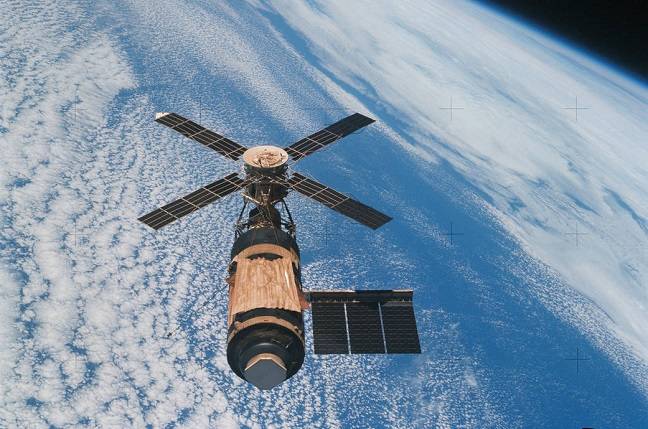
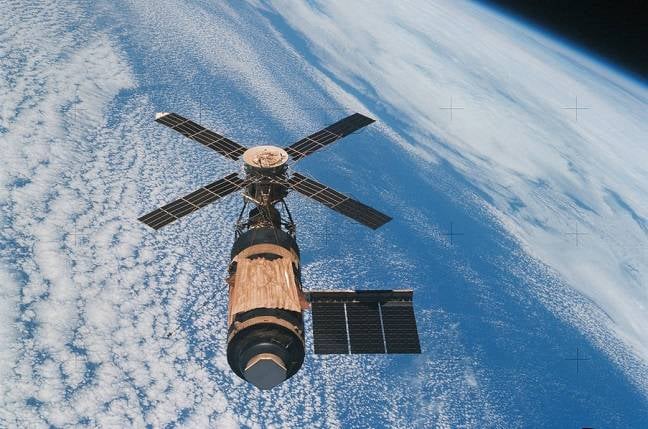
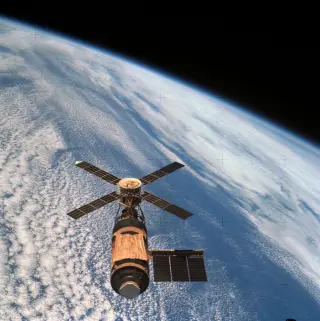
Skylab, NASA’s first space station, cost roughly $2.2 billion, hosted nine astronauts on three missions for a combined 171 days, and spent just over six years in orbit before re-entering in July 1979. Debris scattered over Western Australia, with pieces ending up in museums, private collections, and even a rain-catching trough made from an oxygen-tank lid. The project demonstrated long-duration spaceflight, orbital maintenance, and helped lay groundwork for later programs like Shuttle–Mir and the International Space Station.

Skylab’s makeshift shade: how a folding parasol saved America’s first space station
science1 month ago

Skylab’s makeshift shade: how a folding parasol saved America’s first space station

Skylab launched with its micrometeoroid shield torn away, one solar wing missing and the other jammed, leaving the station baking at about 54°C. NASA engineers, led by Jack Kinzler, designed a 22-by-24-foot folding parasol in days, which was carried into orbit aboard Apollo and deployed through a small airlock to shade the workshop. The parasol cooled the interior within days, while a spacewalk later freed the surviving solar wing to restore power, allowing Skylab to operate with three crews of experiments.

"50th Anniversary: The Historic Return of Skylab's All-Rookie Final Crew"
space-exploration2 years ago

"50th Anniversary: The Historic Return of Skylab's All-Rookie Final Crew"

The final crew of Skylab, consisting of Jerry Carr, Ed Gibson, and Bill Pogue, returned to Earth 50 years ago after an 84-day mission, setting a record for the longest single spaceflight for an American crewed vehicle until 2021. The mission was notable for being the largest all-rookie crew launched by NASA and for the strained relationship between the crew and ground control. Despite hopes of revisiting Skylab with the Space Shuttle, it was deemed impractical, and the crew's return was not covered live by major US television networks.

Skylab's Final Mission: Accidental Rebels Mute Mission Control
space2 years ago

Skylab's Final Mission: Accidental Rebels Mute Mission Control

Fifty years ago, the Skylab 4 crew unintentionally put Mission Control on mute for an entire orbit, leading to rumors of a strike. The crew, overwhelmed by their demanding schedule, had only one crew member listening to the radio while the others worked. The incident, along with the crew's attempt to conceal a crew member's sickness, strained the relationship between the crew and Mission Control. Lessons learned from Skylab 4 influenced the design of astronaut work schedules in future missions. The mission also marked the final extravehicular activity of the Apollo era and tested an early version of the Manned Maneuvering Unit. Skylab 4 set a record for US spacecraft endurance that lasted until 2021.

Skylab: 50 Years Since the Launch of the First US Space Station
space3 years ago

Skylab: 50 Years Since the Launch of the First US Space Station

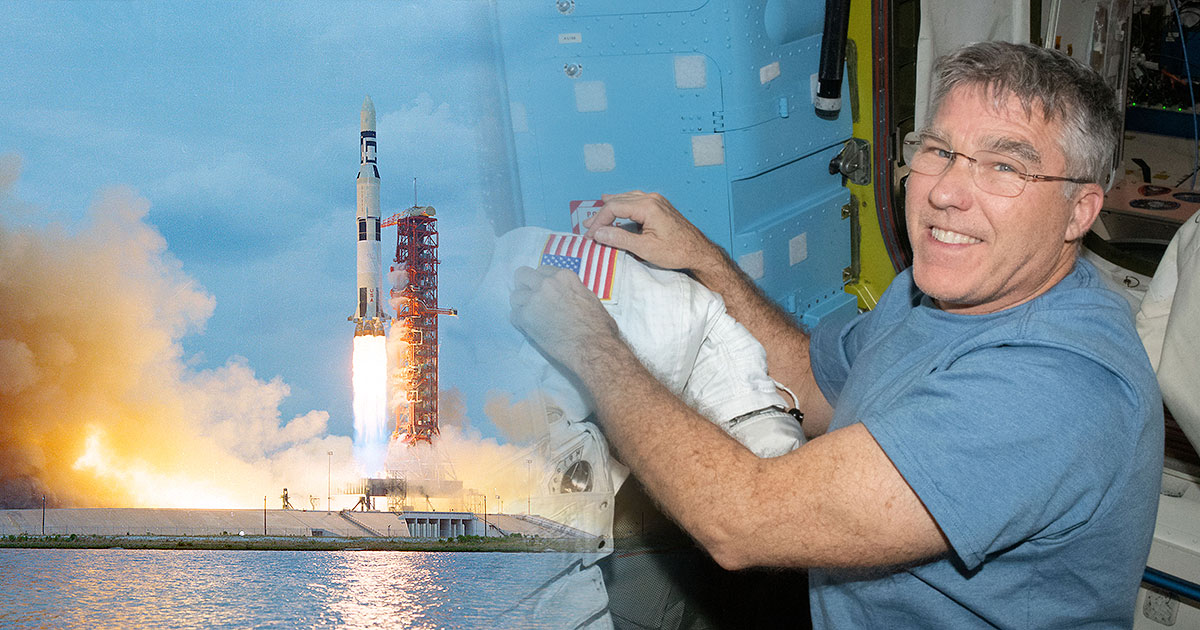
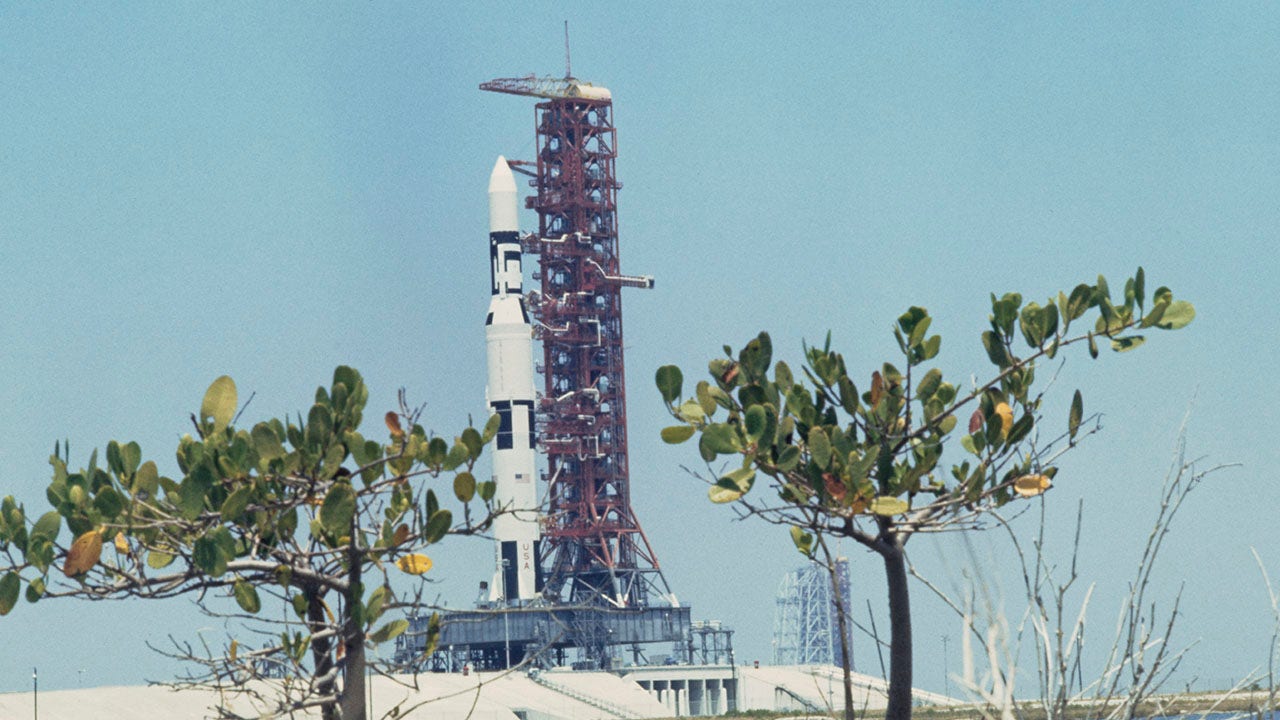
Astronaut Stephen Bowen, currently on the International Space Station, recalls seeing Skylab fly overhead as a child 50 years ago. Skylab was launched on May 14, 1973, and was the United States' first space station. Bowen is the only crew member on the ISS who is old enough to remember Skylab's launch and subsequent crewed expeditions. Unlike the ISS, Skylab was lifted into orbit by a single Saturn V rocket and suffered significant damage during launch. Despite this, the research and experience gained on Skylab set the foundation for the U.S.-led operations on the International Space Station.

Skylab: A Revolutionary Milestone in US Space Exploration
science-and-technology3 years ago

Skylab: A Revolutionary Milestone in US Space Exploration

On May 14, 1973, Skylab, the first US space station, was launched into Earth's orbit. The launch was not without complications, but Skylab finally received its first three-man crew on May 25, 1973. The crew made history by engaging in a "repair spacewalk" and setting a new record for longest human space flight. Skylab remained in space until July 11, 1979, when it disintegrated in Earth's atmosphere. Today, the International Space Station (ISS) orbits Earth at an average altitude of 248 miles (400 kilometers).