
SpaceX Marks 100th 2026 Launch as Starlink Fleet Surpasses 11,000 Satellites
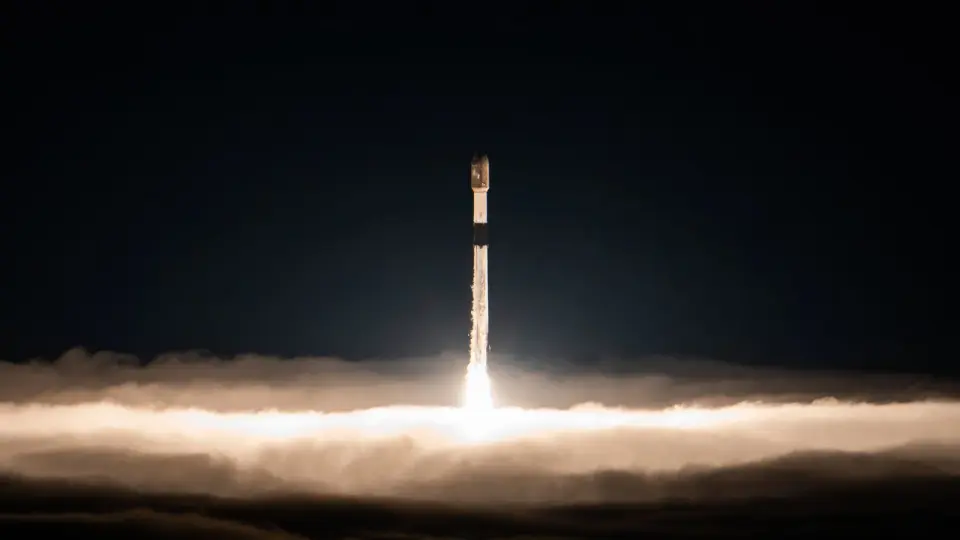
SpaceX completed its 100th orbital launch of 2026 on August 22, deploying 27 Starlink satellites from Vandenberg Space Force Base. This mission, the 99th Falcon 9 flight of the year, pushed the Starlink constellation past 11,000 satellites in orbit, representing roughly two-thirds of all active satellites globally. The booster B1100 successfully landed on the droneship 'Of Course I Still Love You' for its ninth flight, highlighting SpaceX's continued dominance in launch cadence and satellite deployment.
Key points
- SpaceX launched its 100th orbital mission of 2026 on August 22, carrying 27 Starlink satellites from Vandenberg Space Force Base.
- The mission was the 99th Falcon 9 launch of the year; the only other 2026 Falcon flight was a Falcon Heavy mission in April.
- Starlink now has over 11,000 satellites in orbit, accounting for approximately 66% of all active satellites worldwide.
- The Falcon 9 first stage, booster B1100, landed on the droneship 'Of Course I Still Love You' for its ninth flight, marking the 653rd Falcon booster landing to date.
- SpaceX's 2025 record of 165 Falcon launches remains a target, with 74 of the first 100 missions in 2026 dedicated to Starlink.
Background
SpaceX has consistently increased its launch cadence, with 2025 setting a record of 165 Falcon launches. In 2026, the company has maintained a high frequency, with Starlink missions comprising the vast majority of flights. Recent archive coverage notes that SpaceX had already exceeded 10,700 active satellites by July 2026, and faced minor launch aborts in July that did not significantly impact its overall reliability or deployment schedule.
How outlets are covering it
Space.com and Spaceflight Now focus on the milestone nature of the 100th launch and the technical success of the booster landing. Space Daily emphasizes the broader implications of Starlink's scale, noting that one network now holds two-thirds of active satellites, a significant shift from the fewer than 2,000 satellites in orbit in 2019. Yahoo Finance highlights the competitive disparity, noting that Amazon's competing satellite network has not yet reached 1,000 satellites, underscoring SpaceX's market dominance. There is no disagreement on the core facts, but the emphasis varies between technical achievement, market share, and competitive landscape.
Why it matters
The 11,000-satellite milestone underscores SpaceX's unprecedented control over low Earth orbit, raising concerns about space traffic management, collision avoidance, and astronomical interference. The rapid growth of Starlink, enabled by Falcon 9 reusability, has fundamentally altered the orbital environment, making SpaceX's operational decisions critical to the safety and sustainability of space activities for all operators.
What to watch
SpaceX is expected to continue its high launch cadence, aiming to surpass its 2025 record of 165 Falcon launches. The company will likely maintain its focus on Starlink deployments, while also managing the retirement and reentry of older satellites to maintain network efficiency. Competitors like Amazon will continue to expand their own constellations, but the pace of deployment will likely remain far behind SpaceX's.
- SpaceX sends 27 Starlink satellites to orbit on 100th Falcon rocket launch of the year (video, photos) Space
- SpaceX launches 100th orbital mission of 2026 Spaceflight Now
- Elon Musk: “Starlink Now Has 11k Satellites in Orbit.” Amazon Hasn’t Even Cracked 1,000. Yahoo Finance
- On 19 August 2026, SpaceX pushed its Starlink constellation past 11,000 satellites in orbit — meaning a single network now accounts for roughly two-thirds of all active satellites circling Earth. Space Daily
- Scrub! SpaceX halts Starlink launch countdown with just 28 seconds left Florida Today
Want the full story? Read the original reporting
Read on Space