
SpaceX sets new reuse record with 37th flight of Falcon 9 booster B1067
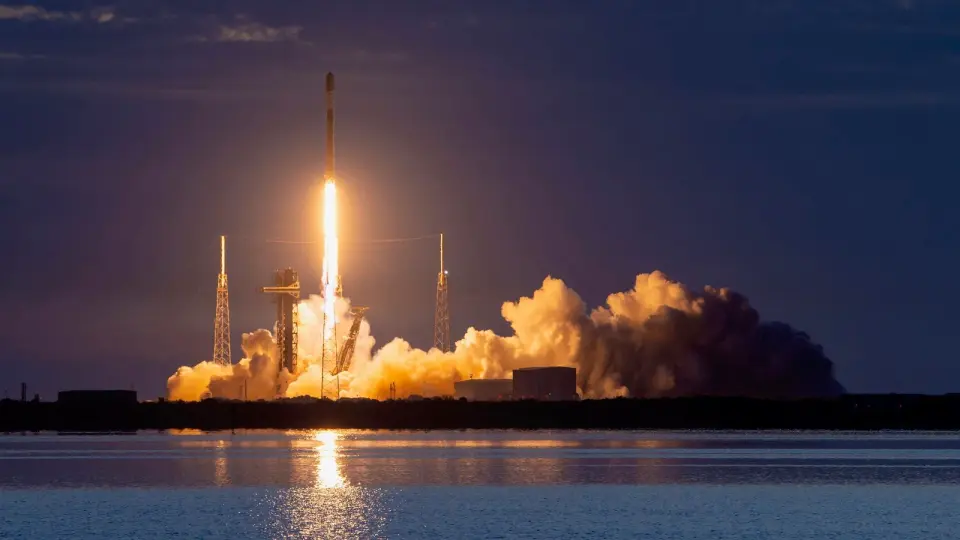
SpaceX launched its 100th Falcon 9 mission of 2026 on August 25, setting a new record for rocket reuse. The flight carried 29 Starlink satellites and marked the 37th launch for booster B1067, the most active first stage in history. The booster successfully landed on the droneship 'A Shortfall of Gravitas' in the Atlantic Ocean.
Key points
- The launch occurred at 5:33 a.m. EDT from Space Launch Complex 40 at Cape Canaveral Space Force Station.
- Booster B1067, which entered service in June 2021, completed its 37th mission, surpassing previous reuse records.
- The mission, designated Starlink 10-49, added 29 satellites to a constellation that now exceeds 11,000 spacecraft.
- The first stage landed on the droneship 'A Shortfall of Gravitas' approximately 8.5 minutes after liftoff.
- This was the 165th landing on that specific droneship and the 654th Falcon booster landing overall.
Background
This launch followed a series of record-breaking reuse milestones for SpaceX in 2026. In late August, the company had already achieved its 100th orbital mission of the year from Vandenberg, deploying Starlink satellites and landing booster B1100 on its ninth flight. The broader context includes increasing pressure on competitors, as SpaceX's high launch cadence and rapid reuse have driven down per-kilogram costs in the US to approximately $3,225, significantly lower than European alternatives.
How outlets are covering it
Space.com emphasized the historical significance of the 37th flight for booster B1067, noting that SpaceX currently has six boosters with at least 30 flights each. Spaceflight Now highlighted the logistical shift at Cape Canaveral, noting this may be the last Starlink launch from the site for a while as workforce attention turns to Starship preparations. Spectrum News focused on the local impact, confirming the successful launch and noting that the 'jellyfish effect' from the exhaust plume was not visible in all parts of Central Florida. WRAL reported on the visibility of the launch from North Carolina, with viewers sending photos from Raleigh and other areas.
Why it matters
The successful 37th flight of a single booster demonstrates the economic and operational efficiency of SpaceX's reusable rocket model. This high cadence and rapid reuse capability allow SpaceX to maintain a dominant share of the global launch market, outpacing competitors who are still working to achieve similar levels of booster reflight and landing success.
What to watch
SpaceX is expected to continue its high launch cadence, with further Starlink missions scheduled from Vandenberg Space Force Base. The company is also focusing on Starship preparations at Cape Canaveral. Additionally, the Nancy Grace Roman Space Telescope is scheduled for a Falcon Heavy launch on August 30, marking another significant mission for SpaceX's heavier rocket variant.
- SpaceX will set rocket-reuse record on 100th Falcon 9 launch of the year early Aug. 25: Watch it live Space
- Live coverage: SpaceX to launch Starlink mission on a Falcon booster’s record-breaking 37th flight Spaceflight Now
- Jellyfish effect likely for early-morning SpaceX launch Spectrum News 13
- Look up! North Carolina could see Tuesday morning's SpaceX Starlink launch WRAL
- ‘Jellyfish cloud’ from rocket launch might be seen over NY, NJ: details Yahoo
Want the full story? Read the original reporting
Read on Space