
SpaceX Completes O3b mPOWER Constellation with Final Falcon 9 Launch
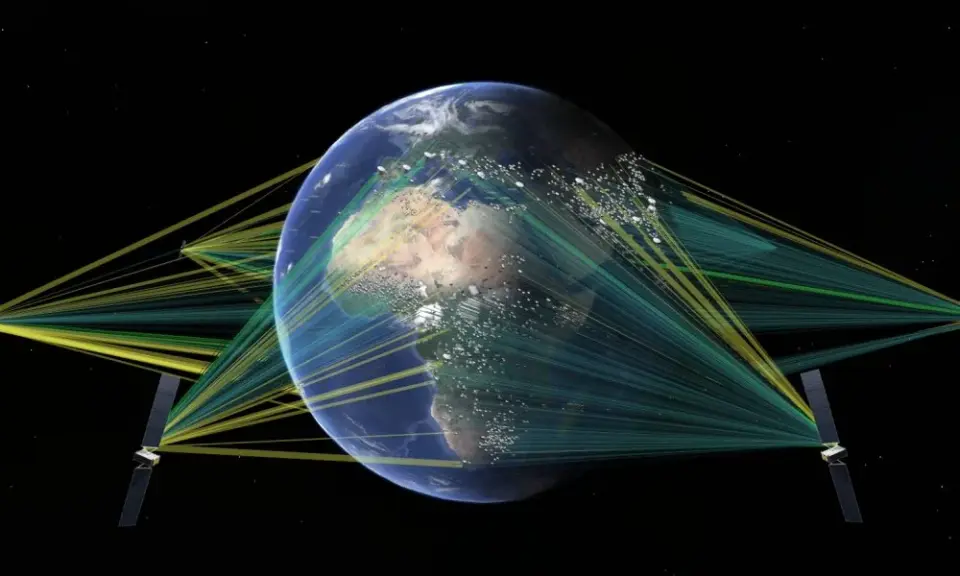
SpaceX is set to launch the final three O3b mPOWER satellites for SES on Sunday from Cape Canaveral, completing the 13-satellite medium Earth orbit constellation. The mission, designated O3b mPOWER-F, will use Falcon 9 booster B1080, which is on its 29th flight. The satellites, built by Boeing, were delayed by electrical issues affecting earlier units, leading to the addition of two extra spacecraft. Once operational by mid-2027, the constellation will support commercial and government broadband needs, validating SES's software-defined payload technology. This launch marks the 400th orbital launch from SLC-40, with SpaceX responsible for 345 of them.
Key points
- SpaceX will launch three O3b mPOWER satellites (F11, F12, F13) on a Falcon 9 from SLC-40, Cape Canaveral, on Sunday.
- The mission completes the 13-satellite O3b mPOWER constellation in medium Earth orbit for customer SES.
- Falcon 9 booster B1080 is on its 29th flight, targeting a landing on the droneship 'A Shortfall of Gravitas'.
- Boeing delivered the final satellites in early September 2026 after resolving electrical issues that affected earlier units.
- The constellation is expected to be fully operational by mid-2027, supporting commercial and government demand.
Background
SpaceX has been expanding its commercial satellite launch capabilities, including Starlink and other constellations. In August 2026, SpaceX outlined ambitious revenue goals and global internet ambitions, while also managing classified missions like USSF-153. The O3b mPOWER constellation is part of SpaceX's broader efforts to serve diverse commercial clients, complementing its Starlink network. Earlier delays in the O3b mPOWER program due to technical issues highlight the challenges in satellite development and deployment.
How outlets are covering it
Spaceflight Now provides detailed technical and logistical information on the launch, including booster reuse and landing plans. Space.com highlights the milestone of the 700th Falcon mission, emphasizing SpaceX's operational consistency. Teslarati focuses on Tesla's Roadster reveal but includes background on SpaceX's broader activities, such as Starlink and classified missions. SES and Boeing emphasize the commercial and technical success of the O3b mPOWER constellation, noting the resolution of earlier issues and the validation of their technology. Perspectives vary from technical launch details to broader commercial and strategic implications.
Why it matters
The completion of the O3b mPOWER constellation demonstrates SpaceX's ability to deliver complex, multi-satellite missions for commercial clients, reinforcing its position in the global satellite market. It also highlights the importance of reliability and adaptability in satellite development, as seen in the resolution of earlier technical issues. This mission supports SES's leadership in medium Earth orbit and advances the use of software-defined payloads for diverse applications, including government and commercial broadband.
What to watch
SpaceX will monitor the launch weather and proceed with the O3b mPOWER-F mission on Sunday. The satellites will be deployed 34 minutes after liftoff, with staggered releases. The constellation is expected to be fully operational by mid-2027 after orbit-raising maneuvers and commissioning. SpaceX will continue its Falcon 9 reuse program, with B1080 targeting its 29th flight. SES and Boeing will monitor the performance of the new satellites to ensure they meet commercial and government demands.
- Why SpaceX is finishing another space-internet system that isn’t Starlink Teslarati
- O3b mPOWER Mission SpaceX
- SpaceX launches 3 telecom satellites to orbit on 700th Falcon mission of all time (video) Space
- SpaceX launches 700th Falcon rocket, carries final 3 O3b mPOWER satellites to orbit for SES Spaceflight Now
- Live updates from SpaceX SES satellite launch from Cape Canaveral, Florida Florida Today
Want the full story? Read the original reporting
Read on Teslarati