
NASA Awards SpaceX $946M for Three More ISS Crew Flights as Boeing Starliner Remains Grounded
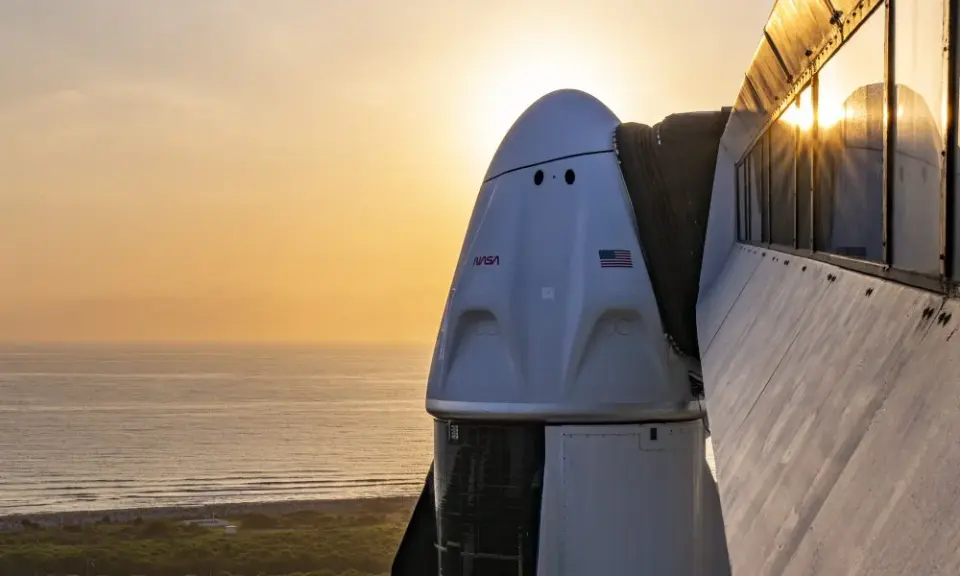
NASA has awarded SpaceX a $946 million contract modification for three additional crewed flights to the International Space Station, extending the Commercial Crew Transportation Capability agreement through 2030. This decision ensures continued access to the ISS while Boeing’s Starliner remains grounded for technical fixes and certification on a new launch vehicle. The award brings SpaceX’s total contract value to $5.92 billion and includes ground, launch, in-orbit, and recovery operations for Crew-15, Crew-16, and Crew-17. While SpaceX is planning to eventually retire the Dragon spacecraft in favor of Starship, this contract secures its role as a primary crew transporter for the next few years. Meanwhile, NASA is simultaneously backing Boeing’s Starliner with two additional missions and funding for propulsion repairs to maintain a dual-provider strategy for human spaceflight.
Key points
- NASA awarded SpaceX a $946 million contract modification for three additional crewed missions (Crew-15, 16, and 17) to the International Space Station, extending the Commercial Crew Transportation Capability agreement through 2030.
- The contract brings SpaceX’s total value under the CCtCap agreement to $5.92 billion and includes ground, launch, in-orbit, return, recovery, cargo transportation, and lifeboat capabilities.
- NASA’s decision to expand SpaceX’s contract comes as Boeing’s Starliner remains grounded due to technical issues, with NASA simultaneously ordering two additional Starliner missions and funding fixes to its thrusters to ensure a dual-provider strategy.
- SpaceX is planning to eventually retire the Dragon spacecraft in favor of its Starship rocket, but this contract secures its role as a primary crew transporter for the next few years, with mission readiness dates in 2027 and 2028.
- The award follows a notice of intent issued by NASA in May and is a firm fixed-price, indefinite-delivery/indefinite-quantity contract modification that does not preclude future additional transportation services.
Background
NASA’s decision to expand SpaceX’s contract comes amid a broader strategy to maintain dual-provider access to the International Space Station. In September 2026, NASA announced plans to order two additional Boeing Starliner crewed missions and fund fixes to its thrusters, as Starliner has faced technical issues and remains grounded. This move ensures that both SpaceX and Boeing remain viable crew transporters, even as SpaceX plans to eventually retire the Dragon spacecraft in favor of its Starship rocket. The CCtCap contract, originally awarded in 2014, has been a cornerstone of NASA’s Commercial Crew Program, with SpaceX certified for crew transportation in November 2020. The current award extends SpaceX’s role as a primary crew transporter through 2030, with mission readiness dates in 2027 and 2028.
How outlets are covering it
NASA and SpaceX emphasize the importance of maintaining dual-provider access to the ISS, with NASA stating that the award helps ensure continued access to the space station with two unique commercial crew industry partners. SpaceX, which is planning to eventually retire the Dragon spacecraft in favor of its Starship rocket, sees this contract as a way to secure its role as a primary crew transporter for the next few years. Boeing, meanwhile, is focused on fixing technical issues with Starliner and certifying it on a new launch vehicle, with NASA funding fixes to its thrusters and ordering two additional missions. The perspectives highlight a balance between SpaceX’s current reliability and Boeing’s future potential, with NASA ensuring that both providers remain viable for human spaceflight.
Why it matters
The award of $946 million to SpaceX for three additional crewed flights to the ISS is significant because it ensures continued access to the space station while Boeing’s Starliner remains grounded for technical fixes and certification. This decision reinforces NASA’s dual-provider strategy, which is crucial for maintaining human presence in low-Earth orbit and advancing future space exploration goals. The contract also highlights the importance of commercial partnerships in space exploration, with SpaceX and Boeing playing key roles in NASA’s Commercial Crew Program. As SpaceX plans to eventually retire the Dragon spacecraft in favor of its Starship rocket, this contract secures its role as a primary crew transporter for the next few years, ensuring a smooth transition to new technologies.
What to watch
NASA and SpaceX will proceed with the three additional crewed missions (Crew-15, 16, and 17) as outlined in the contract, with mission readiness dates in 2027 and 2028. Boeing will continue to work on fixing technical issues with Starliner and certifying it on a new launch vehicle, with NASA funding fixes to its thrusters and ordering two additional missions. The next steps will likely involve further developments in the certification and testing of both SpaceX’s Dragon and Boeing’s Starliner, as well as potential future contract modifications for additional transportation services. The outcome of these efforts will determine the future of human spaceflight and the role of commercial providers in NASA’s space exploration goals.
- NASA taps SpaceX for more astronaut missions as Boeing Starliner remains grounded Teslarati
- SpaceX scores another $950 million from NASA for 3 more crewed flights to ISS CNBC
- NASA awards SpaceX $946 million for 3 more astronaut missions to the ISS Space
- NASA Awards SpaceX Three Crew Flights to Space Station nasa.gov
- NASA adds three ISS missions to SpaceX Crew Dragon contract SpaceNews
Want the full story? Read the original reporting
Read on Teslarati