
Voyager 1 and 2 Defy Time, Still Transmitting From Interstellar Space
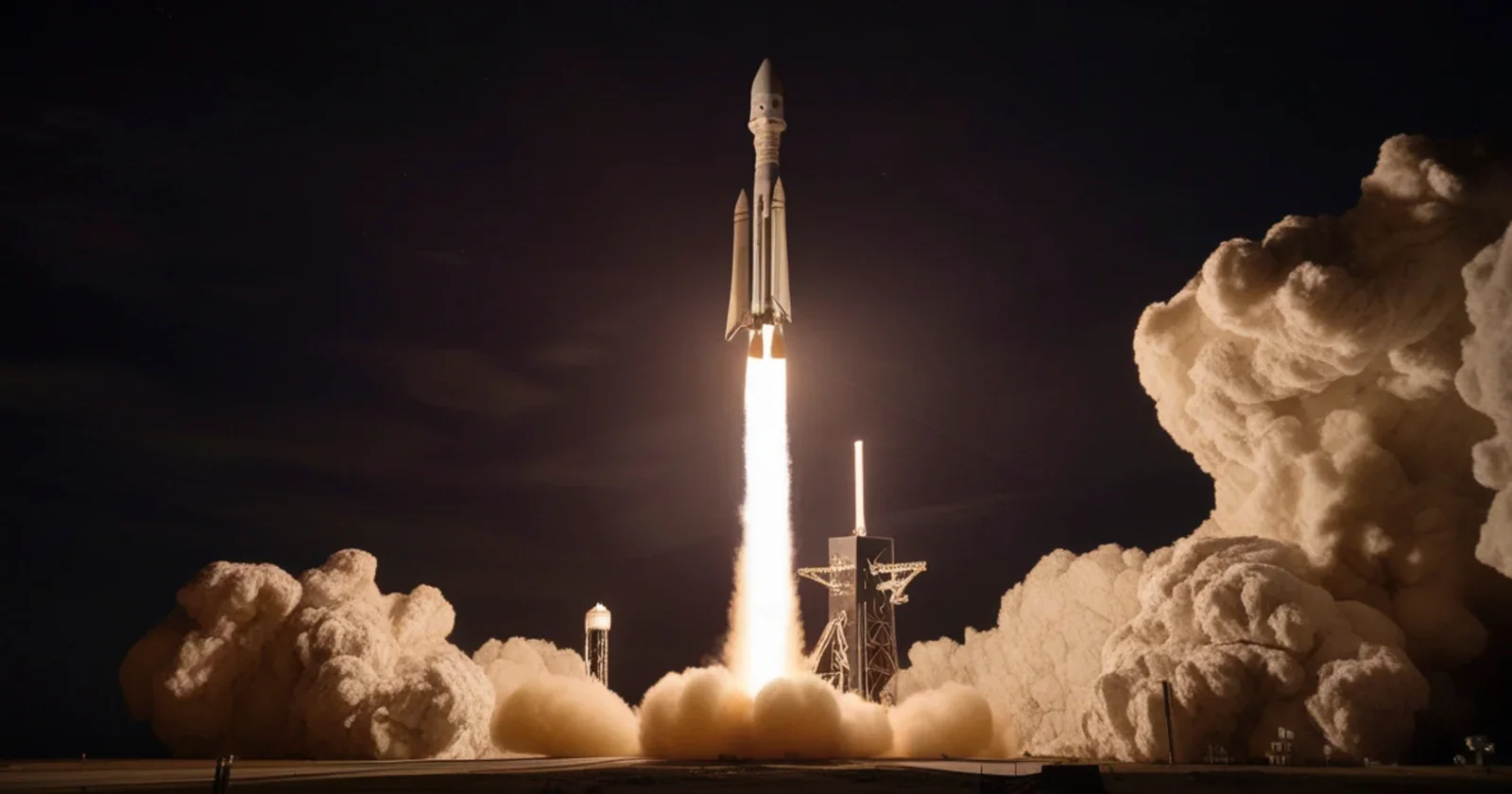
Launched in 1977 for a five-year mission to Jupiter and Saturn, Voyager 1 and 2 are now the only human-made objects confirmed to operate in interstellar space, still receiving commands and sending data decades later. Built with redundant hardware and RTGs, they outlived their design life and crossed the heliopause in 2012 and 2018, respectively. As power fades by about four watts per year, NASA has turned off nonessential systems—most recently Voyager 1’s low-energy charged‑particle instrument in 2026—to extend life. A long-tenured team at JPL and NASA continues to operate the craft, aiming to preserve basic communications into the 2030s, though an unexpected fault could end either mission sooner.
- In 1977, NASA launched two probes designed to last five years. Voyager 1 and 2 are now the only human-made objects in interstellar space, still operating, still transmitting, funded by a team of engineers some of whom have worked on the mission for nearly 5 Space Daily
- Voyager 1 on track to reach one light-day from Earth it-online.co.za
- NASA's Voyager 1 Radio Transmitter Is Weaker Than a Refrigerator Lightbulb. It Still Reaches Earth From 15 Billion Miles Away 19FortyFive
- The engineers who built Voyager knew they would almost certainly be dead before it left the solar system, and they built it anyway, a gift from people who would never see where their work would go ScienceBlog.com
- Voyager 1 has no engine running. The 38,000-mile-per-hour speed it has held since its Saturn flyby in 1980 is borrowed momentum from planets it grazed more than four decades ago, and that free ride carries it to one light-day from Earth this November Space Daily
Reading Insights
1
57
10 min
vs 11 min read
95%
2,182 → 109 words
Want the full story? Read the original article
Read on Space Daily