
Stanford Study Reframes the Brain as Two Separate Neural Systems
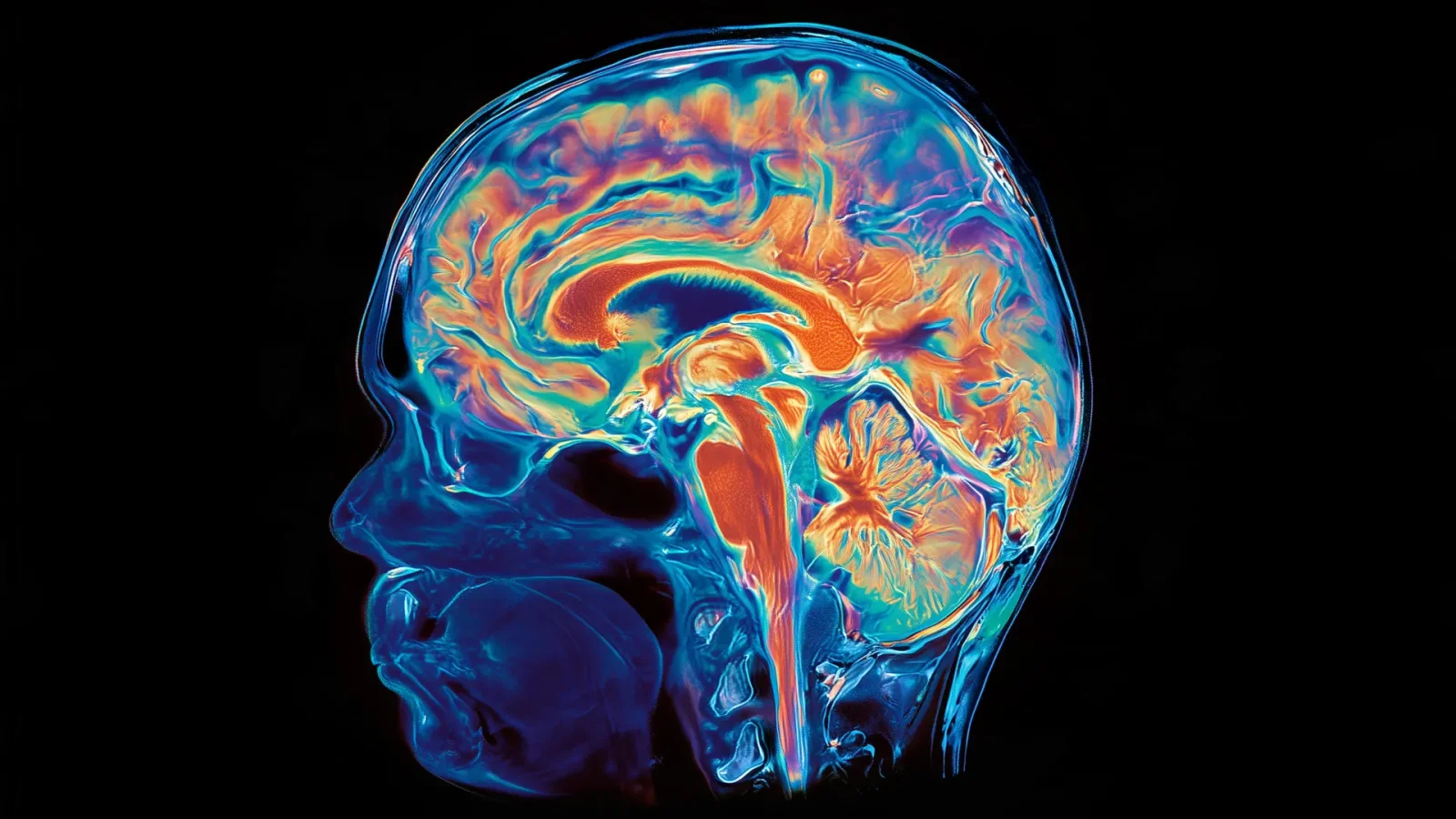
Stanford researchers reveal the brain is built from two ancient neural systems that develop in parallel from separate progenitors—Otx2 for the forebrain/midbrain and Gbx2 for the hindbrain—whose distinct chromatin states are set early in development. This explains why hindbrain neurons have been hard to grow in the lab and enables deriving hindbrain neurons from pluripotent stem cells, offering a new model to study SMA and ALS. Evolutionary evidence across chickens, zebrafish, acorn worms, and even jellyfish suggests two ancient nervous systems were brought together to form the modern brain, with potential implications for regenerative therapies and weight regulation.
- Stanford scientists discover the human brain may actually be two separate organs ScienceDaily
- Human brain is two separate organs, Stanford Medicine-led research finds Stanford Medicine
- Two parallel neural ectoderm progenitors contribute to the developing brain Nature
- Our brain evolved from two primitive nervous systems that merged New Scientist
- The Brain Is Two Separate Organs Joined by Evolution Neuroscience News
Reading Insights
0
9
6 min
vs 7 min read
93%
1,379 → 98 words
Want the full story? Read the original article
Read on ScienceDaily