Longyearbyen, Norway, faces a drinking water crisis as rapid Arctic warming thaws permafrost, leaching toxic heavy metals into its sole water source. Residents are advised to avoid tap water while authorities investigate solutions.
A new investigation by the nonprofit Clean Label Project found that nearly all top-selling cat foods contain toxic contaminants. Testing 100 products from 62 brands, the report detected lead in 99% of samples, cadmium in 96%, and arsenic in 94%. While the study does not prove these levels cause immediate harm, it highlights significant differences in contamination based on protein type and food format, urging owners to vary diets and question 'natural' labels.
A new investigation by the nonprofit Clean Label Project tested 100 top-selling cat foods from 62 brands and found toxic contaminants in nearly all samples. Lead was detected in 99% of the products, while cadmium and arsenic appeared in 96% and 94% respectively. The study also identified toxic plastic chemicals and the herbicide glyphosate across wet, dry, and freeze-dried varieties. Fish-based foods showed higher levels of mercury and cadmium, whereas chicken-based options had higher rates of lead and herbicides. Experts warn that chronic exposure to these substances may accumulate in cats over time, potentially contributing to kidney disease, though the pet food industry maintains that current safety protocols ensure product safety.
A new report by the Clean Label Project reveals that lead was found in 99% of 100 tested cat food products, with cadmium and arsenic also present in the vast majority. Fish-based foods showed significantly higher mercury levels, while dry food contained more lead than wet or air-dried options. The study notes these findings do not necessarily indicate immediate safety risks but highlight contamination patterns across brands.
A new investigation by the Clean Label Project found that nearly all tested cat foods contain toxic contaminants, including lead, mercury, arsenic, and the herbicide glyphosate. The study analyzed 100 top-selling products from 62 brands, revealing that lead was present in 99% of samples and cadmium in 96%. While the industry argues that rigorous safety protocols ensure product safety, experts warn that chronic exposure to these heavy metals and plastic chemicals like phthalates may accumulate in cats over time, potentially contributing to health issues such as kidney disease. The report highlights that premium or 'natural' labels do not guarantee purity, with fish-based foods showing significantly higher mercury levels than poultry-based options.
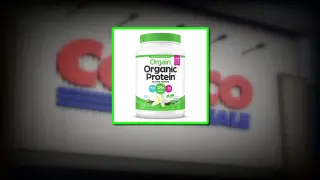
Costco is facing a lawsuit over its Orgain Organic Plant-Based Protein Powder, accused of selling a product containing detectable levels of lead, cadmium, and arsenic; plaintiffs say the packaging touts 'clean' and 'high quality' while omitting heavy-metal disclosures, citing studies by the Clean Label Project and Consumer Reports; they seek damages and a court order requiring Costco to disclose what's inside the product.
A federal class-action accuses Costco of selling Orgain Organic Protein Powder tainted with toxic heavy metals (lead, cadmium, arsenic) without warning, alleging deceptive labeling and violations of consumer-protection laws. Plaintiffs cite testing by Consumer Reports and Clean Label Project showing heavy metals in protein powders and demand disclosure of heavy-metal levels and a halt to selling such products without proper warning; Orgain says its products meet safety standards.
Tattoo pigments provoke an immune response in the skin, can migrate to lymph nodes, and often contain metals and colorants that may break down into potentially harmful compounds; while there is not yet strong evidence of a direct cancer risk in humans, colored inks can cause allergic reactions and chronic inflammation, highlighting the need for better ink regulation and further research.
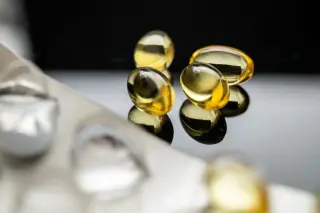
Mamavation (in partnership with Environmental Health News) tested 11 popular Vitamin D supplements (mostly D3 with K2) in EPA-certified labs for PFAS, glyphosate, 500+ pesticides, phthalates, and heavy metals. Findings showed every product contained ortho-phthalates; no samples exceeded California Prop 65 limits for heavy metals, though 9 of 11 had detectable metals and 1 had none. 64% had other pesticides, and 9% contained specific PFAS; anthraquinone appeared in several brands around 10 ppb. One extreme outlier was dominated by DINP contamination. The report suggests contamination can enter at multiple points in the supply chain (capsules, fillers, packaging) and emphasizes the value of separate analyses of capsules versus fill materials. Results underscore that even expensive supplements can carry measurable contaminants, highlighting the importance of independent testing and transparent sourcing for consumers.
Texas Attorney General Ken Paxton announced an industry-wide investigation into protein powder manufacturers amid independent findings that some powders contain heavy metals such as lead and cadmium; the probe will examine potential misrepresentation and undisclosed contamination under Texas law.
Texas Attorney General Ken Paxton announced an industry-wide investigation into protein powder manufacturers after independent testing by Consumer Reports and the Clean Label Project found concerning levels of heavy metals, including lead and cadmium, in popular powders. Consumer Reports reported higher lead in plant-based powders (about nine times that of dairy whey and twice that of beef-based products) and noted cadmium and inorganic arsenic concerns in a few items; Clean Label Project found 47% of 160 products exceeded California Proposition 65 limits for heavy metals in a single serving. Health risks from lead exposure are well-documented, with no known safe level per the FDA. Paxton said the probe will examine possible violations of the Texas Deceptive Trade Practices Act related to marketing safety claims and failure to disclose known heavy-metal contamination.
The Supreme Court unanimously allowed a Texas couple to proceed in state court with their lawsuit accusing Whole Foods and Earth’s Best baby food of poisoning their son with heavy metals, reviving the case after prior dismissals and back-and-forth between state and federal courts. The decision affirms the plaintiffs’ right to pursue claims in state court and follows watchdog findings about toxic metals in some baby foods.
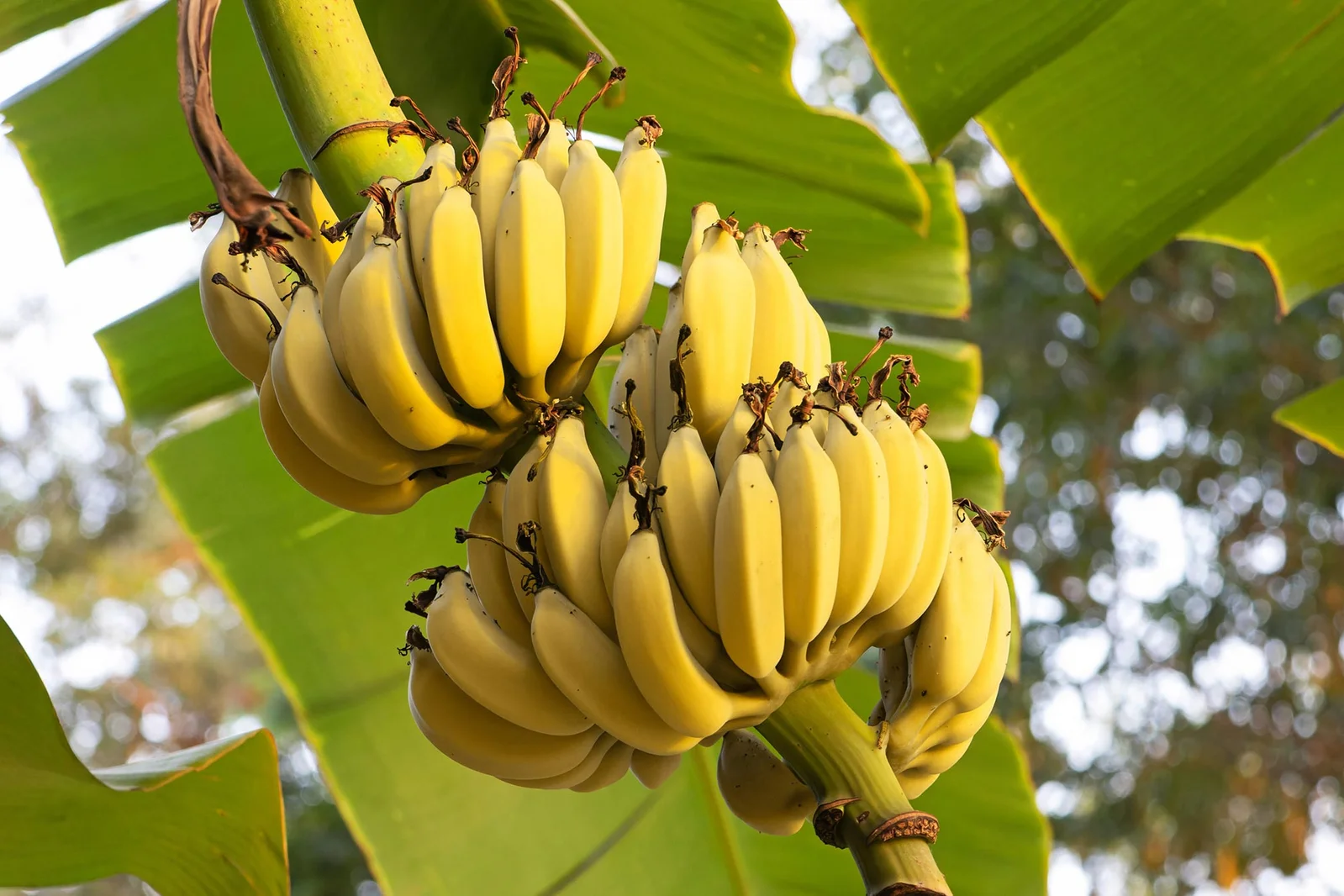
Brazilian researchers warn that soils contaminated by iron mining tailings near Linhares transfer metals such as cadmium, chromium, copper, nickel, and lead into edible crops. Bananas appear particularly risky for young children, with copper and lead in cocoa pulp also exceeding safety limits. While adult risk remains low, the study flags potential long-term cancer risks from cumulative exposure and calls for monitoring and mitigation.
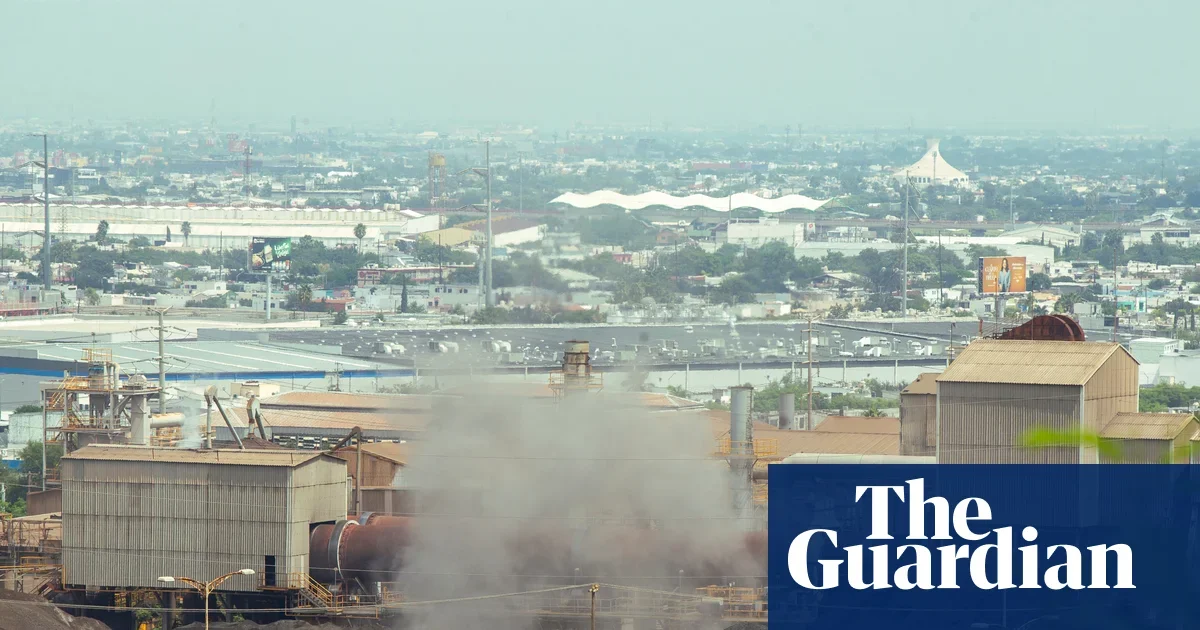
Mexico announced a sweeping pollution crackdown after Guardian investigations linked a Monterrey Zinc Nacional plant to heavy-metal contamination, unveiling a new atmospheric monitoring network, updated air and soil standards, and a $4.8 million fine with remediation steps, while lawmakers consider stricter toxic-waste imports and residents demand transparency.
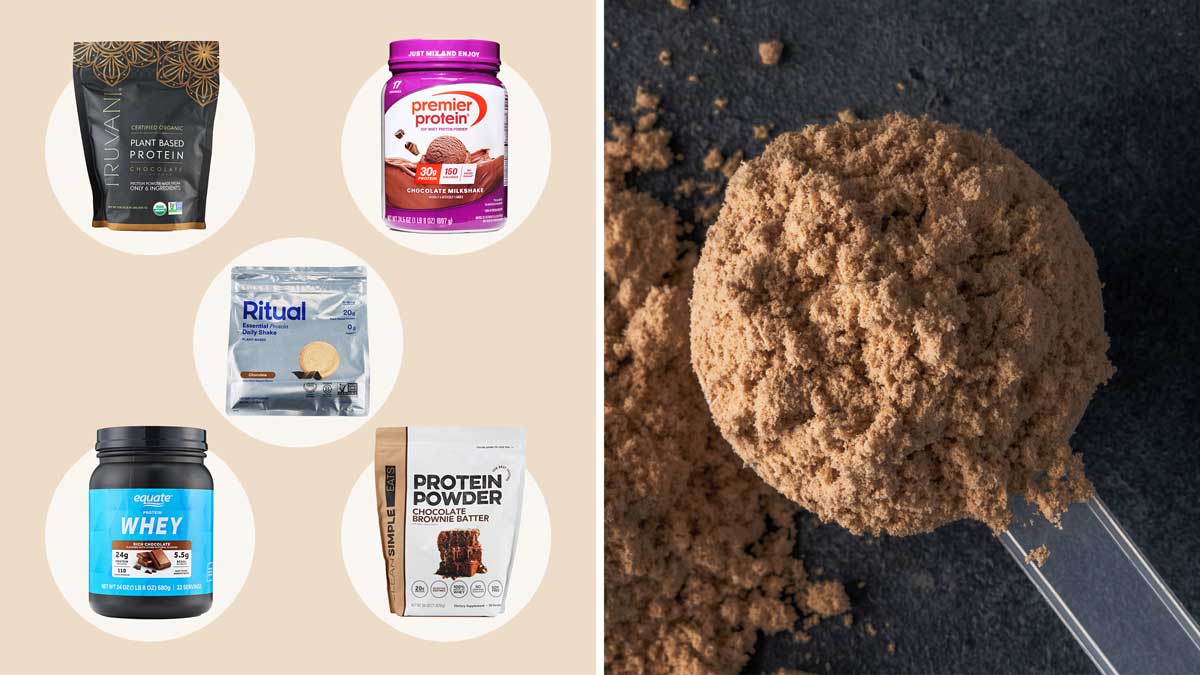
Consumer Reports tested five popular chocolate protein powders and found all had low levels of lead, with most below safety concern thresholds, highlighting that safer manufacturing is possible despite industry-wide regulatory gaps and inconsistent heavy metal levels across products.