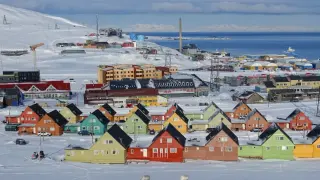
Longyearbyen, Norway, faces a drinking water crisis as rapid Arctic warming thaws permafrost, leaching toxic heavy metals into its sole water source. Residents are advised to avoid tap water while authorities investigate solutions.
Northern Russia has recorded temperatures exceeding 90 degrees Fahrenheit, matching heat levels typical of Orlando, Florida. This extreme warming is driven by a feedback loop involving melting sea ice, which reduces sunlight reflection and increases ocean heat absorption. Experts warn that a developing El Niño event may intensify these record-breaking temperatures further in 2027.
The UN climate projections from the WMO and UK Met Office warn that a strong El Niño could linger into 2027–2028, boosting global temperatures and making it likely that the 2026–2030 period will exceed the Paris 1.5°C threshold. There’s a 91% chance at least one year will surpass 1.5°C and an 86% chance a year will break the 2024 hottest-year record, with Arctic warming about 3.5 times faster than the global average. The report also foresees shrinking Arctic sea ice, hotter and drier Amazon conditions with higher wildfire risk, potential rainfall increases but flood risk in the Sahel, and record heat events in Europe, underscoring that every 0.1°C of warming raises impacts and the need to curb fossil fuels.
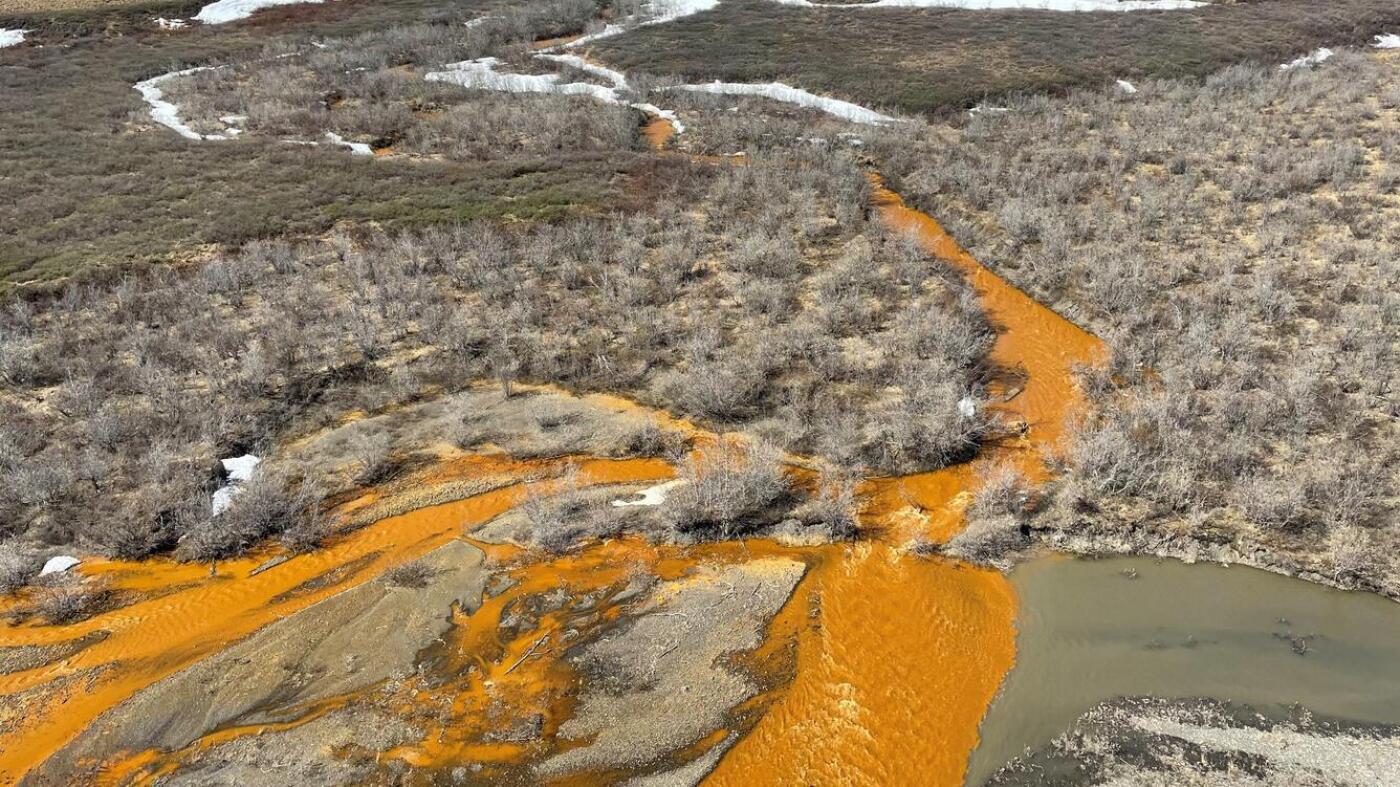
A new NOAA report highlights that the Arctic continues to warm faster than the global average, causing phenomena like 'rusting rivers' from thawing permafrost, rapid glacier melt, and record low sea ice, with significant impacts on local ecosystems and global sea levels.
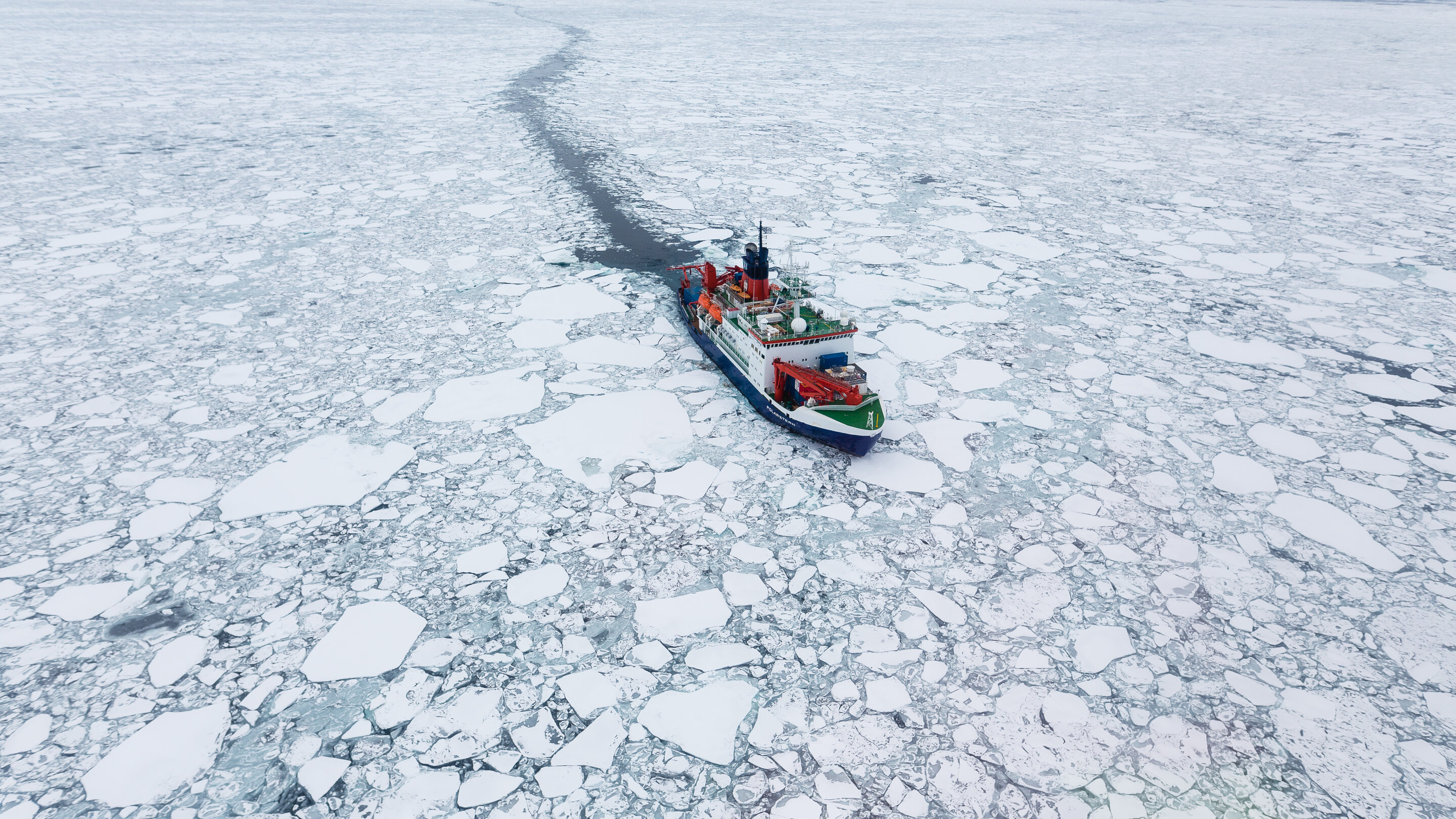
Rapid Arctic warming due to human-induced climate change is melting ice, disrupting ecosystems, threatening wildlife like reindeer and polar bears, and increasing sea levels, with global consequences. Conservation efforts are underway, but reducing greenhouse gas emissions remains crucial.
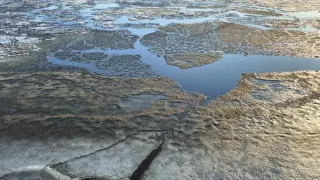
Satellite data from the U.S. Space Force reveals that the reduction of sunlight reflectivity, or albedo, has amplified warming in the Arctic, with a 20% to 35% loss in total reflectivity observed from 2014 to 2019. This unprecedented rise in local temperatures is linked to the reduction in sea ice and the increased absorption of sunlight by the exposed dark ocean, as well as the formation of ponding water on the remaining sea ice. The findings, published in Nature Scientific Reports, provide a comprehensive multi-year examination of the relationship between albedo and Arctic warming, shedding light on the accelerating climate changes in the region.
A new modeling study led by UCL researchers reveals that faster warming in the Arctic will result in the global temperature reaching a 2-degree Celsius rise eight years earlier than if the region were warming at the average global rate. The study highlights the significant impact of rapid Arctic warming on breaching critical climate thresholds set by the Paris Agreement and emphasizes the need for extensive monitoring and understanding of the processes occurring in the Arctic to improve global temperature rise forecasts. The study does not quantify the indirect effects of Arctic warming on the rest of the world but estimates its direct contribution to global temperature increases.
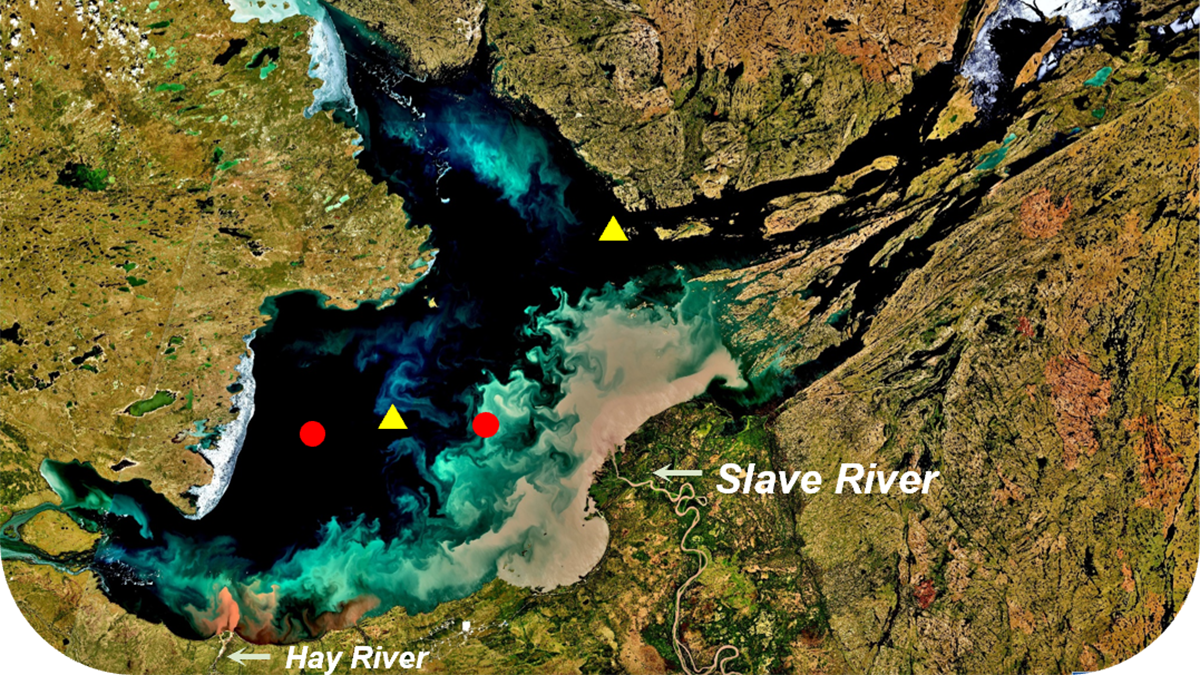
The warming Arctic climate has triggered a radical ecosystem shift in Great Slave Lake, North America's deepest lake. The microscopic algae, or phytoplankton, at the base of the lake's food web have undergone a regime change, with larger diatoms being replaced by smaller, pancake-shaped counterparts. This shift could impact the lake's productivity, carbon dynamics, and food web, affecting nearby communities that rely on the lake as a food and cultural resource. The transformation is attributed to rising temperatures, declining ice cover, and slowing winds in the region. Similar changes are also observed in Great Bear Lake.