
August 2026 Ties Global Heat Record as El Niño and Fossil Fuels Drive 1.65C Warming
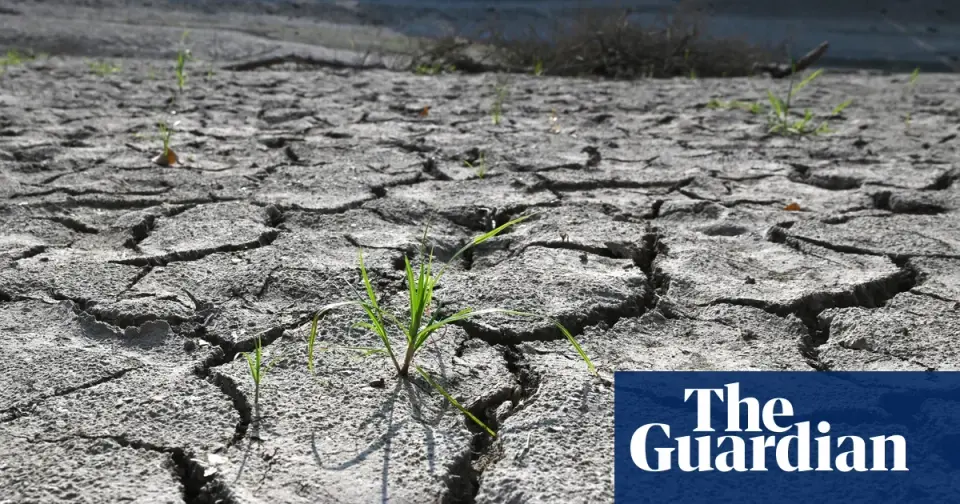
August 2026 tied July 2023 for the hottest month ever recorded, with global temperatures reaching 1.65C above pre-industrial levels. The EU’s Copernicus service confirmed record sea surface temperatures and a hottest Northern Hemisphere summer. While a strengthening El Niño contributed, scientists emphasize that fossil fuel emissions remain the primary driver of this unprecedented heat, which has already caused widespread wildfires, crop failures, and infrastructure damage.
Key points
- Global average temperature in August 2026 was 1.65C above pre-industrial levels, tying the record set in July 2023.
- The month marked the first time since November 2025 that global temperatures exceeded the 1.5C threshold set by the Paris Agreement.
- NOAA confirmed the contiguous United States experienced its hottest summer on record, surpassing the 1936 Dust Bowl era.
- Western Europe also recorded its hottest summer on record, with severe droughts affecting Scandinavia, the Maghreb, and parts of Asia.
- A potentially record-breaking El Niño is expected to intensify later in 2026, but experts state fossil fuel burning is the main cause of the warming trend.
Background
This development follows a series of record-breaking heat events in 2026. In July, the US recorded its hottest month since 1895, and the UK experienced its warmest summer on record since 1884. These events have been linked to long-term climate change and the developing El Niño phenomenon, which was also noted in earlier reports from August and September 2026.
How outlets are covering it
The Guardian and CNN both highlight the dual drivers of fossil fuel emissions and El Niño, but the Guardian places greater emphasis on the immediate social and economic consequences, such as food price inflation and excess deaths. NBC News focuses heavily on the statistical anomaly of August beating July, noting that this has only happened four times since 1940. CNN underscores the 'inflection point' for society, citing a UN Environment Program report that suggests the 1.5C target is likely to be exceeded long-term. The Financial Times, though largely behind a paywall, frames the situation as a 'not pretty' outlook, emphasizing the 100-day streak of record ocean temperatures. All sources agree that while El Niño adds roughly 0.1-0.2C to the heat, the underlying trend is driven by human activity.
Why it matters
The breach of the 1.5C threshold, even temporarily, signals a potential shift toward irreversible climate tipping points, such as the collapse of the Arctic ice cap or Amazon rainforest. The economic impacts are already visible in disrupted transport, overwhelmed health systems, and rising costs for basic goods. As El Niño strengthens, the likelihood of 2026 becoming the warmest year on record increases, with 2027 potentially reaching 1.8C above pre-industrial levels. This underscores the urgency of transitioning to clean energy, which is now cheaper than fossil fuels, to mitigate further damage.
What to watch
Scientists expect the El Niño to reach its peak strength by the end of 2026, potentially pushing global temperatures even higher. The UN has called for a faster shift to clean energy and greater climate resilience. Governments are under pressure to implement policies that reduce emissions, as the economic and social costs of extreme heat continue to mount. The coming months will be critical in determining whether 2026 sets a new annual temperature record and how well societies can adapt to the increasing frequency of extreme weather events.
- August was joint-hottest month ever recorded globally The Guardian
- Global heat stuck on high. Scientists say August was Earth’s hottest month they’ve measured. NBC News
- If August felt like the hottest month on Earth … you’re right CNN
- August was world's joint-hottest month on record, scientists say Reuters
- Climate outlook is ‘not pretty’ after oceans break heat records for 100 days Financial Times
Want the full story? Read the original reporting
Read on The Guardian