
Argentina Enters Recession as Milei’s Austerity Deepens Economic Divide
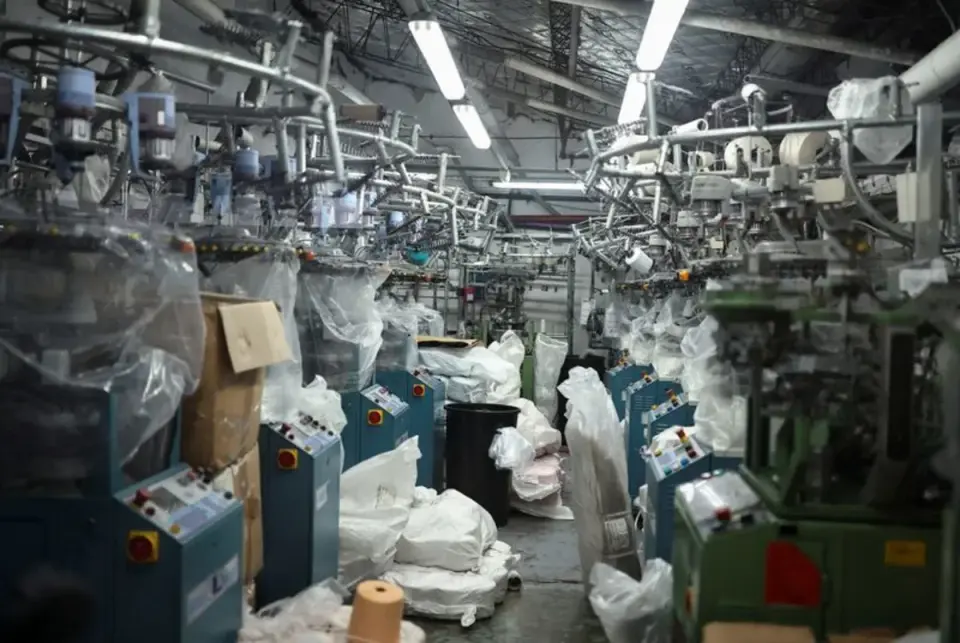
Argentina’s economy likely entered a recession in the third quarter of 2026, driven by sharp declines in domestic consumption and manufacturing. While President Javier Milei’s policies have reduced inflation from 200% to 30%, nearly a third of the population now lives in poverty. The 2027 presidential election looms as a critical test for the administration, which faces falling approval ratings despite gains in export sectors like energy and mining.
Key points
- Economists estimate Argentina’s GDP contracted for a second consecutive quarter in the July-September period, meeting the technical definition of a recession.
- Household consumption fell 2.7% in the first nine months of 2026 compared to the same period in 2025, heavily impacting sectors like textiles, retail, and construction.
- Approximately 32,300 businesses closed between Milei’s inauguration in December 2023 and July 2026, representing about 6% of all companies in the country.
- The poverty rate has risen to nearly 32.3%, reversing previous gains, while inflation remains at 30%, down from a peak of 200%.
- Milei’s approval rating dropped to 36% in October, with 56% disapproval, as he refuses to alter his economic strategy despite public hardship.
Background
This downturn follows a period where Milei’s austerity measures initially reduced inflation and poverty, but recent data shows a rebound in hardship. Previous coverage noted a rise in poverty to 32.3% in early 2026 and the government’s launch of a 'golden passport' scheme to raise foreign currency for debt obligations due in 2027. The current recession tests the sustainability of these policies ahead of the 2027 vote.
Why it matters
The recession highlights the tension between macroeconomic stabilization and social welfare in Argentina. As household consumption drives two-thirds of GDP, the current slump threatens broader economic stability. With the 2027 election approaching, the government’s refusal to adjust policies despite rising poverty and business closures may influence voter sentiment and the future of the administration’s radical economic model.
What to watch
Official GDP data for the third quarter will be released in November 2026. Economists forecast a slight rebound in 2027, but warn that household finances are unlikely to improve significantly before the October 2027 presidential election. The government maintains its current economic program, while opposition and business owners criticize the impact of import liberalization on local industries.
Want the full story? Read the original reporting
Read on Yahoo Finance