
Beijing’s Gulf Diplomacy Intensifies Amid US-Iran Standoff
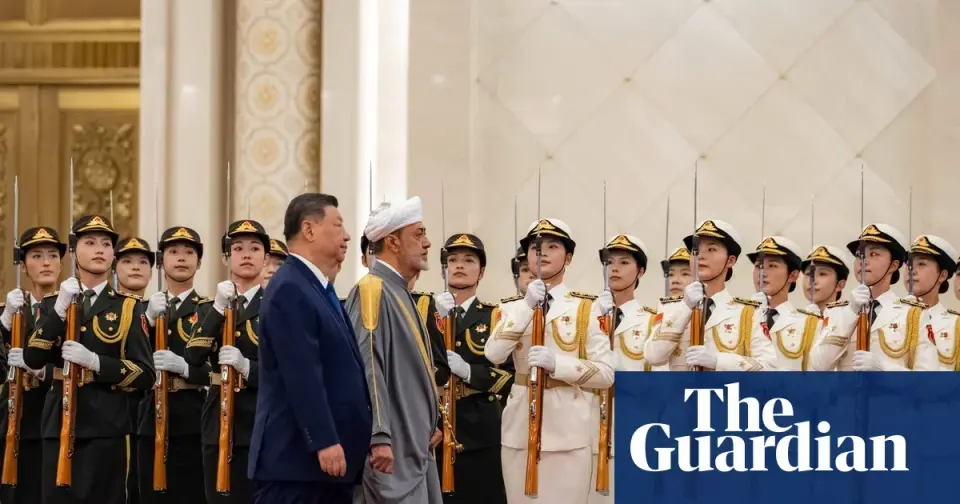
China is accelerating diplomatic engagement with Gulf states and Iran ahead of a US-China summit, positioning itself as a regional mediator while the US weighs potential military action against Iran following midterm elections.
Key points
- Xi Jinping and Foreign Minister Wang Yi held high-level talks with Oman, Saudi Arabia, and Iran in Beijing, marking the first Omani head-of-state visit to China in nearly 50 years.
- China’s foreign ministry announced special envoy Zhai Jun will visit Iran, Oman, and Saudi Arabia in early to mid-November to facilitate peace efforts.
- The diplomatic push precedes a scheduled meeting between Donald Trump and Xi Jinping at the APEC conference in Shenzhen on November 18-19.
- China previously helped broker a ceasefire between the US/Israel and Iran in February, enhancing its mediator status, though its recent role has been limited by its view that the conflict is not its responsibility.
- Iranian officials warn that any US strike would trigger severe economic retaliation, while Tehran insists on meeting seven conditions before reopening the Strait of Hormuz.
Background
China’s diplomatic efforts follow a period of muted engagement during the ongoing US-Israel-Iran conflict. Beijing’s influence in the region has grown since brokering a Saudi-Iran détente in 2023, but its impact has been constrained by its reluctance to take direct responsibility for resolving the war. The current diplomatic flurry coincides with heightened tensions as the US considers military options post-midterm elections, and Iran’s internal debates over negotiation versus confrontation.
How outlets are covering it
The Guardian emphasizes China’s strategic positioning as a peacemaker to bolster Xi’s status before the Trump-Xi summit, noting Beijing’s economic leverage through oil imports and its desire to avoid a regional conflict that could disrupt global energy flows. The Washington Post frames the diplomatic activity as a 'scramble' by Beijing amid the threat of renewed US war with Iran, highlighting the urgency of China’s outreach. Iran International focuses on Tehran’s internal divisions and strategic calculations, noting that Iranian commentators question whether a limited US strike can end the conflict, and that Iran is leveraging economic retaliation threats to deter Washington. The sources differ in emphasis: The Guardian and Washington Post highlight China’s proactive diplomacy, while Iran International centers on Iran’s resistance and the limits of external mediation.
Why it matters
China’s diplomatic push signals a shift in regional power dynamics, potentially reshaping the balance of influence in the Middle East. If successful, Beijing could position itself as a key mediator, reducing US dominance and influencing the outcome of the US-Iran standoff. The outcome of these talks could affect global oil prices, energy security, and the broader geopolitical alignment between the US, China, and Iran.
What to watch
China’s special envoy Zhai Jun is expected to visit Iran, Oman, and Saudi Arabia in early to mid-November. The Trump-Xi meeting at APEC in Shenzhen on November 18-19 will be a critical test of Beijing’s diplomatic efforts. Meanwhile, the US may decide on military action against Iran after the November 4 midterm elections, with Iran’s response to any strike potentially triggering a broader regional conflict.
- Trump’s troubles with Iran could open the door to China The Guardian
- China Won’t Bail Out Trump’s Lost War Foreign Policy
- Beijing launches diplomatic flurry amid threat of renewed U.S. war with Iran The Washington Post
- Iran looks to China and Russia for leverage in US talks Iran International
- NEWSLETTER: China wants a seat at the Gulf table Reuters
Want the full story? Read the original reporting
Read on The Guardian