
Qatar Mediation in Tehran Amidst US-Iran Standoff and Hormuz Tensions
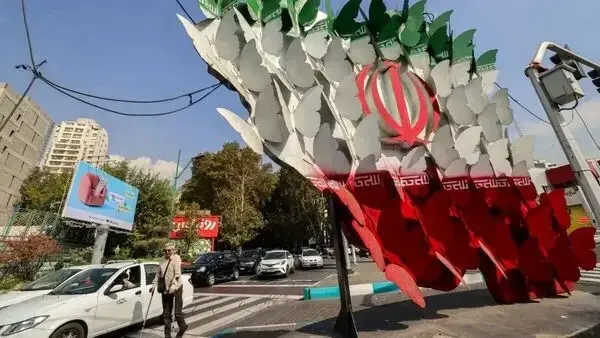
Qatari mediators are in Tehran to de-escalate tensions in coordination with the US, as Iran rejects uranium removal and demands sanctions relief. The US maintains a naval blockade, while domestic instability in Iran and regional spillover in Iraq and the Gulf complicate the diplomatic effort.
Key points
- Qatari mediators arrived in Tehran on Sunday to ease regional tensions, a move coordinated with the United States.
- Iran’s Supreme National Security Council secretary, Mohsen Rezaei, stated that no enriched uranium will leave Iran and that negotiations require the US to first lift sanctions and end threats.
- US President Donald Trump warned of potential further military action, referring to a possible 'Epic Fury' campaign, though the White House confirmed no attacks will occur before the November 3 midterm elections.
- Iran’s Foreign Minister Abbas Araghchi emphasized that his country’s policies remain unchanged regardless of war, asserting control over the Strait of Hormuz and demanding the absence of foreign forces.
- Iran is facing a potential mental-health emergency due to prolonged uncertainty, economic pressure, and the 'no war, no peace' situation, according to the head of the Psychology and Counseling Organization.
Background
This diplomatic push follows a ceasefire in April 2026 and a subsequent unraveling of a June memorandum of understanding. Recent background includes Russian mediation efforts in Tehran, Israeli predictions of Iranian regime collapse, and ongoing Houthi attacks on Saudi infrastructure, which have driven oil prices to five-month highs.
How outlets are covering it
Al Arabiya highlights the Qatari mediation as a key de-escalation effort, while Fox News focuses on Iran’s hardline stance regarding uranium and sanctions. Iran International emphasizes the domestic psychological toll of the conflict and the risk of renewed US strikes. Gulf Times underscores Qatar’s commitment to UN principles and its condemnation of Iranian aggression against GCC states, framing the mediation as a bridge for peaceful resolution.
Why it matters
The outcome of these talks could determine whether the region moves toward a permanent settlement or renewed conflict. The US naval blockade and Iran’s control of the Strait of Hormuz directly impact global energy supplies, while domestic instability in Iran and spillover in Iraq and the Gulf pose broader security risks.
What to watch
Watch for the outcome of the Qatari mediation in Tehran, any US decisions on sanctions or military action post-midterm elections, and Iran’s response to the demand for a return to the June accord. Monitor developments in the Strait of Hormuz and the mental-health crisis in Iran.
- Qatari mediators reportedly in Tehran in US-coordinated effort to ease tensions Al Arabiya English
- Qatar pushes for Iran deal, new US strikes remain possible Iran International
- Iran sets red lines for US talks: Lift sanctions, end threats — 'not a gram' of uranium leaves Fox News
- Qatar affirms commitment to principles of UN Charter | Gulf Times Gulf Times
- Qatari mediators in Tehran in US-coordinated effort to ease tensions, official says The Times of Israel
Want the full story? Read the original reporting
Read on Al Arabiya English