
Ancient Indonesian Teeth Reveal 25,000-Year-Old Betel Nut Habit
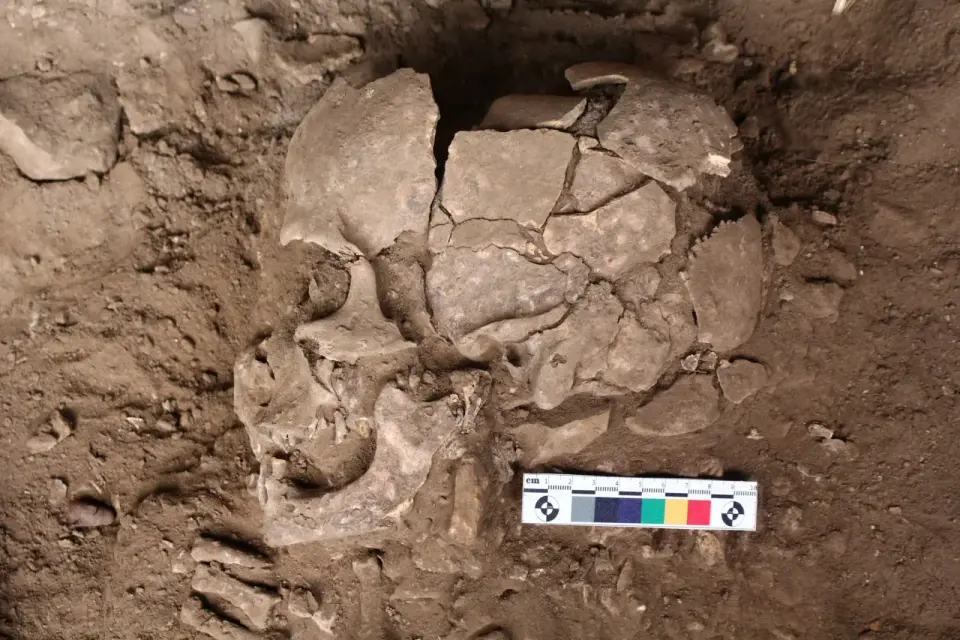
A study published in Science Advances identifies the earliest known evidence of human drug use, dating back 25,000 years. Researchers analyzed teeth from two hunter-gatherers found in Indonesian caves, discovering deep grooves and traces of arecoline, a psychoactive compound found in betel nuts. The findings suggest these foragers sucked on whole nuts for pain relief, predating the agricultural era and challenging previous assumptions about when humans began using mind-altering substances.
Key points
- The study, led by Adam Brumm of Griffith University, analyzes skeletal remains from two caves in Sulawesi, Indonesia.
- One individual lived 25,000 to 16,000 years ago; the other lived 7,600 to 6,300 years ago.
- Both sets of teeth exhibited deep, rounded grooves inconsistent with normal wear, suggesting habitual sucking on hard objects.
- Biomolecular tests detected arecoline, the active compound in betel nuts, within the dental tissues of both individuals.
- Researchers hypothesize the foragers used the nuts as a painkiller for toothaches, which paradoxically worsened dental damage over time.
- This discovery pushes the timeline of habitual psychoactive use back by thousands of years, predating the Neolithic Revolution and early farming societies.
Background
Previous archaeological evidence linked regular drug consumption primarily to early farming societies, with the oldest traces often dated to around 13,000 years ago, coinciding with the Neolithic Revolution. Earlier reports from our archive noted that while betel nut chewing was known to have occurred in Southeast Asia as early as 4,000 years ago, the precise origins of the practice remained unclear due to the poor preservation of organic materials in tropical environments. This new finding shifts the narrative from agricultural societies to pre-agricultural hunter-gatherers.
How outlets are covering it
CNN emphasizes the 'vicious cycle' of addiction, noting that the foragers likely used the nuts to treat pain caused by the very act of sucking them, leading to chronic infection and difficulty eating. The New York Times highlights the significance of the discovery as a breakthrough in understanding human history, noting that betel nuts are still used by over 600 million people today. The Guardian focuses on the evolutionary aspect, suggesting that the practice of sucking nuts may have evolved into the modern tradition of chewing quids when Austronesian farmers arrived in Sulawesi. Futura-Sciences frames the discovery as a potential explanation for why hunter-gatherers used the substance, suggesting it may have been for medicinal purposes like treating toothaches, despite the negative long-term effects on dental health.
Why it matters
This discovery fundamentally alters the timeline of human interaction with psychoactive substances, proving that drug use is not a product of agricultural society but a deep-rooted behavior of hunter-gatherers. It provides direct evidence of how modern habits, such as betel nut chewing, may have evolved from earlier, less potent practices. The findings also highlight the complex relationship between humans and their environment, showing that our ancestors were experimenting with the chemical properties of plants tens of thousands of years before the advent of farming.
What to watch
Researchers plan to investigate other common substance habits, such as the consumption of fermented beverages, to see if they also predate the Neolithic Revolution. Further studies may explore how the practice of sucking betel nuts evolved into the modern tradition of chewing quids with slaked lime, which intensifies the psychoactive effects. Additionally, the team aims to determine if similar dental wear patterns exist in other prehistoric sites, potentially revealing a widespread habit across different regions.
- Their “rotted” teeth reveal shocking drug use going back 25,000 years Futura, le média qui explore le monde
- Commonly used psychoactive substance may have prehistoric origins CNN
- Scientists Discover the Earliest Evidence of Drug Use in Really Old Teeth The New York Times
- Indonesian foragers may have sucked on mind-altering nuts 25,000 years ago, research finds The Guardian
- Archaeologists Discover the World's Oldest Evidence of Habitual Drug Use in the Teeth of a Hunter-Gatherer Who Lived Up to 25,000 Years Ago Smithsonian Magazine
Want the full story? Read the original reporting
Read on Futura, le média qui explore le monde