
75,000-Year-Old Shoulder Hole Suggests Neanderthals Used Lethal Wooden Spears
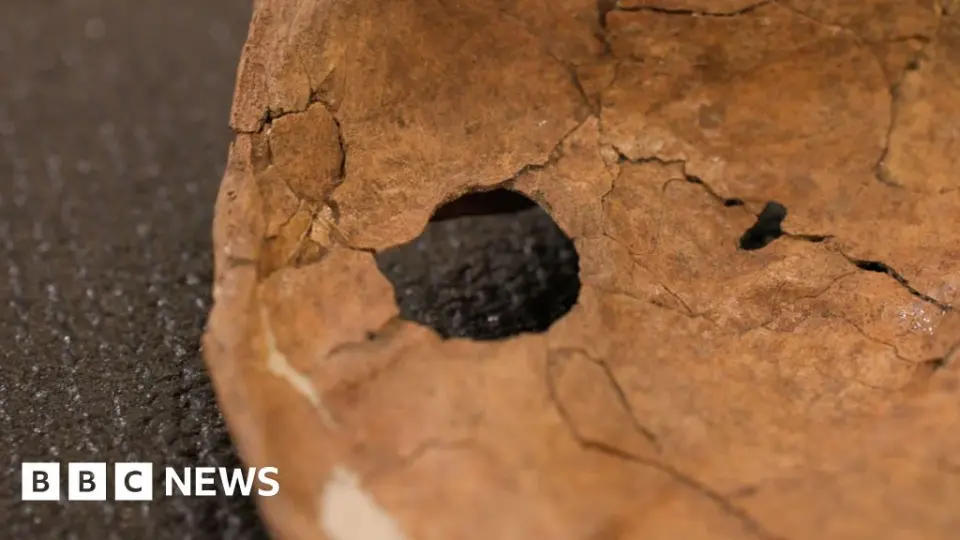
A 15mm hole in a Neanderthal shoulder blade found in Iraqi Kurdistan is identified as the earliest evidence of lethal violence involving a wooden spear. The wound, dated to 75,000 years ago, likely resulted from a spear entering the chest and exiting the shoulder, potentially damaging vital organs. While researchers debate whether this was a hunting accident or intentional killing, the finding adds to growing evidence that interpersonal violence existed in prehistoric societies long before the advent of farming.
Key points
- A 15mm circular hole in a Neanderthal shoulder blade from Shanidar Cave in Iraqi Kurdistan is dated to 75,000 years ago.
- Researchers believe the wound was caused by a sharpened wooden spear that entered the chest and exited the shoulder, likely damaging a lung and blood vessels.
- The discovery is cited as the earliest evidence of lethal interpersonal violence involving wooden spears in the prehistoric Middle East.
- The individual, designated Shanidar A, was found alongside other remains, including a right hand, three ribs, and teeth.
- The finding supports a broader trend of evidence suggesting Neanderthal societies experienced more violence than previously assumed.
- The research was published in the journal Scientific Reports.
Background
This discovery aligns with recent findings that Neanderthals possessed sophisticated woodworking skills, as evidenced by 597 wooden artifacts found in Spain. It also complements earlier studies, such as the 2022 analysis of the 'Pit of Bones' in Spain, which indicated deliberate violence among Neanderthals as far back as 430,000 years ago. Additionally, genetic studies confirm that modern humans interbred with Neanderthals around 47,000 years ago, highlighting the complex interactions between these species.
Why it matters
The finding challenges the traditional view that organized warfare and lethal violence emerged only with the advent of farming and permanent settlements. Instead, it suggests that individual killings and interpersonal violence were present in hunter-gatherer societies much earlier, potentially reshaping our understanding of human evolution and social behavior.
What to watch
Further analysis of the Shanidar Cave remains and similar sites may provide more clarity on whether such wounds were accidental or intentional. Researchers will continue to examine the frequency and nature of violence in Neanderthal populations to determine if sporadic attacks evolved into organized conflict.
Want the full story? Read the original reporting
Read on BBC