
CT Scans Reveal Ancient Crocodile Species Hidden in Great Sphinx Stone
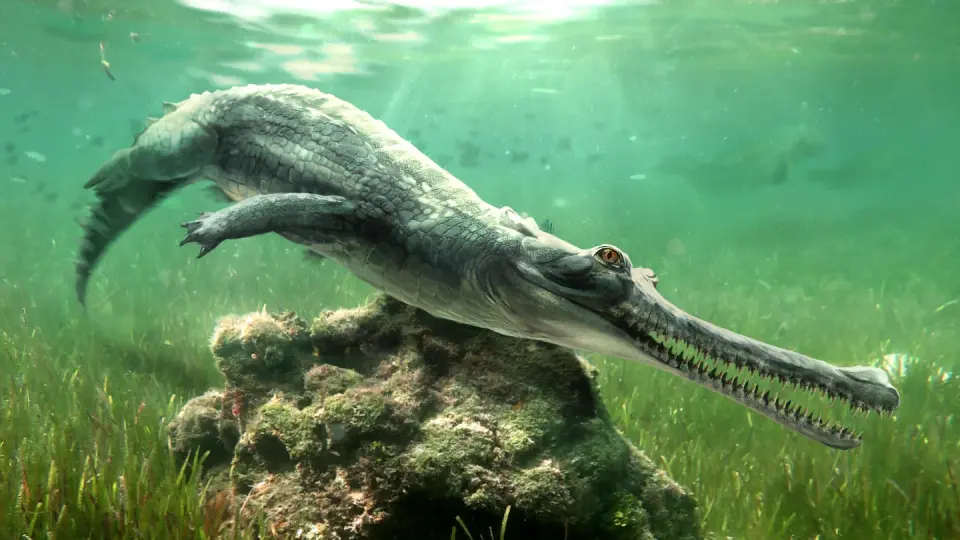
Researchers identified a new extinct crocodile species, Herugavialis cairensis, from fossils found in the limestone used to build the Great Sphinx. CT scans revealed distinct skull features that distinguish it from the false gharial, adding a new branch to the gavial family tree.
Key points
- Fossils found in the 1920s in Egypt's Mokattam Formation were previously misidentified as the false gharial.
- Modern CT scans revealed unique cranial anatomy, leading to the classification of Herugavialis cairensis.
- The species lived 45 million years ago in the Tethys Ocean, a time when gavials were more widespread.
- The discovery highlights the importance of re-evaluating historical fossils with modern technology.
- It underscores the evolutionary history of crocodilians and the current conservation status of their living relatives.
Background
This discovery follows a trend of re-evaluating historical fossil records using modern technology. Recent news has highlighted the importance of crocodile conservation, such as the 2032 Olympic rowing bid for a crocodile-infested river in Australia and the ongoing threats to crocodile populations in Papua New Guinea. The discovery of Herugavialis cairensis adds to our understanding of the evolutionary history of crocodilians and their current conservation status.
How outlets are covering it
The Washington Post emphasizes the geographical significance of the fossil, noting it was found in the same rock formation used to build the Sphinx. Science News highlights the missing nose of the fossil, drawing a parallel to the Great Sphinx. Mongabay News focuses on the conservation status of living crocodilians, noting that the closest living relatives of Herugavialis are endangered. All three sources agree on the significance of the discovery and the use of CT scans to identify the new species.
Why it matters
The discovery of Herugavialis cairensis adds to our understanding of the evolutionary history of crocodilians and their current conservation status. It highlights the importance of re-evaluating historical fossil records using modern technology and the need to protect endangered species.
What to watch
Researchers will continue to study the fossils and the evolutionary history of crocodilians. Conservation efforts will continue to protect endangered species, such as the gharial and false gharial.
- Scientists identify a crocodile they never knew existed The Washington Post
- New crocodile species discovered in rocks used to build the Great Sphinx Phys.org
- An extinct crocodilian was found among rocks that built the Great Sphinx Science News
- New crocodile species found fossilized in stone used to build Egypt’s Great Sphinx Mongabay News
- Crocodile Rock The Economist
Want the full story? Read the original reporting
Read on The Washington Post