Tag

Aeolus

All articles tagged with #aeolus

Relativity Space to Build NASA’s 2028 Mars Orbiter in Private-Public Pact
space21 days ago

Relativity Space to Build NASA’s 2028 Mars Orbiter in Private-Public Pact

NASA has announced a public-private partnership with Relativity Space to design, build, and launch the Aeolus Mars orbiter in 2028. The mission will carry four instruments to measure Mars’ winds, temperatures, dust and clouds, providing daily global atmospheric data to improve models and reduce risks for future robotic and crewed missions. The spacecraft will be designed and built at NASA’s Ames Research Center in California and integrated with Relativity’s Terran spacecraft, despite Relativity’s Terran 1 previously failing to reach orbit; the venture aims to operate for at least one Martian year (~687 Earth days).

NASA and Relativity Space Team Up to Accelerate Mars Atmospheric Science
space24 days ago

NASA and Relativity Space Team Up to Accelerate Mars Atmospheric Science

NASA will partner with Relativity Space to deploy the Aeolus atmospheric-science instrument suite to Mars in 2028. NASA provides the four instruments and leads data processing, while Relativity Space supplies the spacecraft and mission operations; Ames Research Center designs the payload. The project will deliver a daily global view of Martian winds, temperatures, dust, and clouds to improve entry, descent, and landing models and enable more frequent science for future crewed missions.

ESA's Last Glimpse: Aeolus Satellite's Fiery Farewell
space2 years ago

ESA's Last Glimpse: Aeolus Satellite's Fiery Farewell

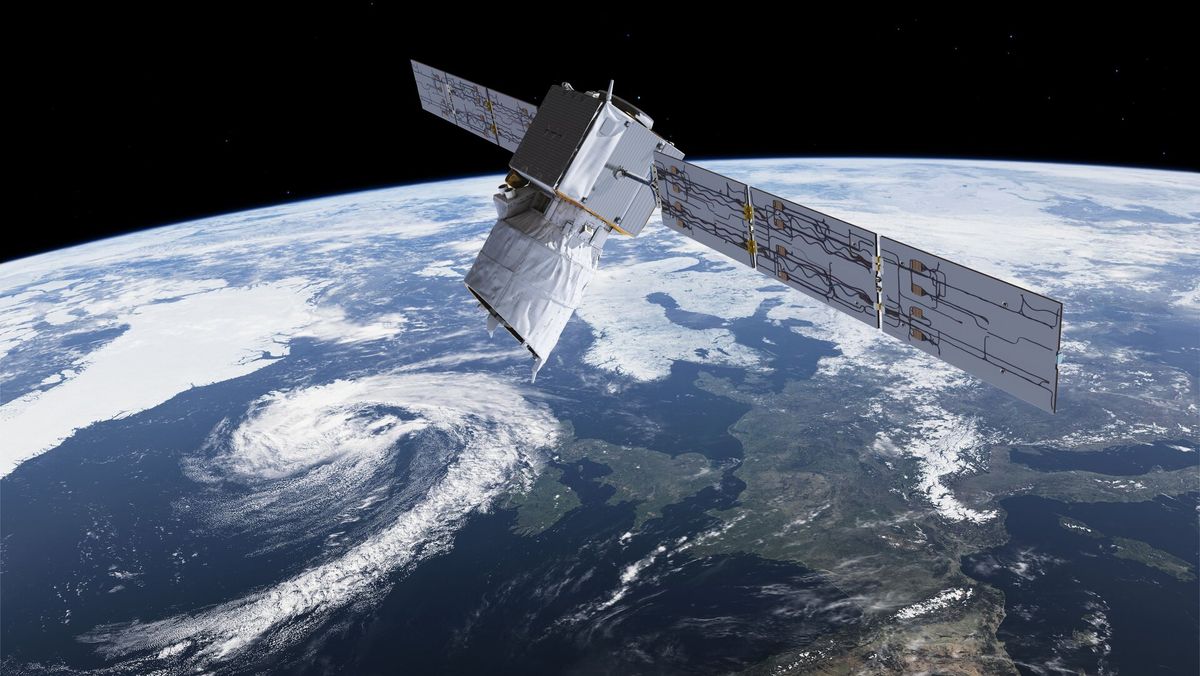
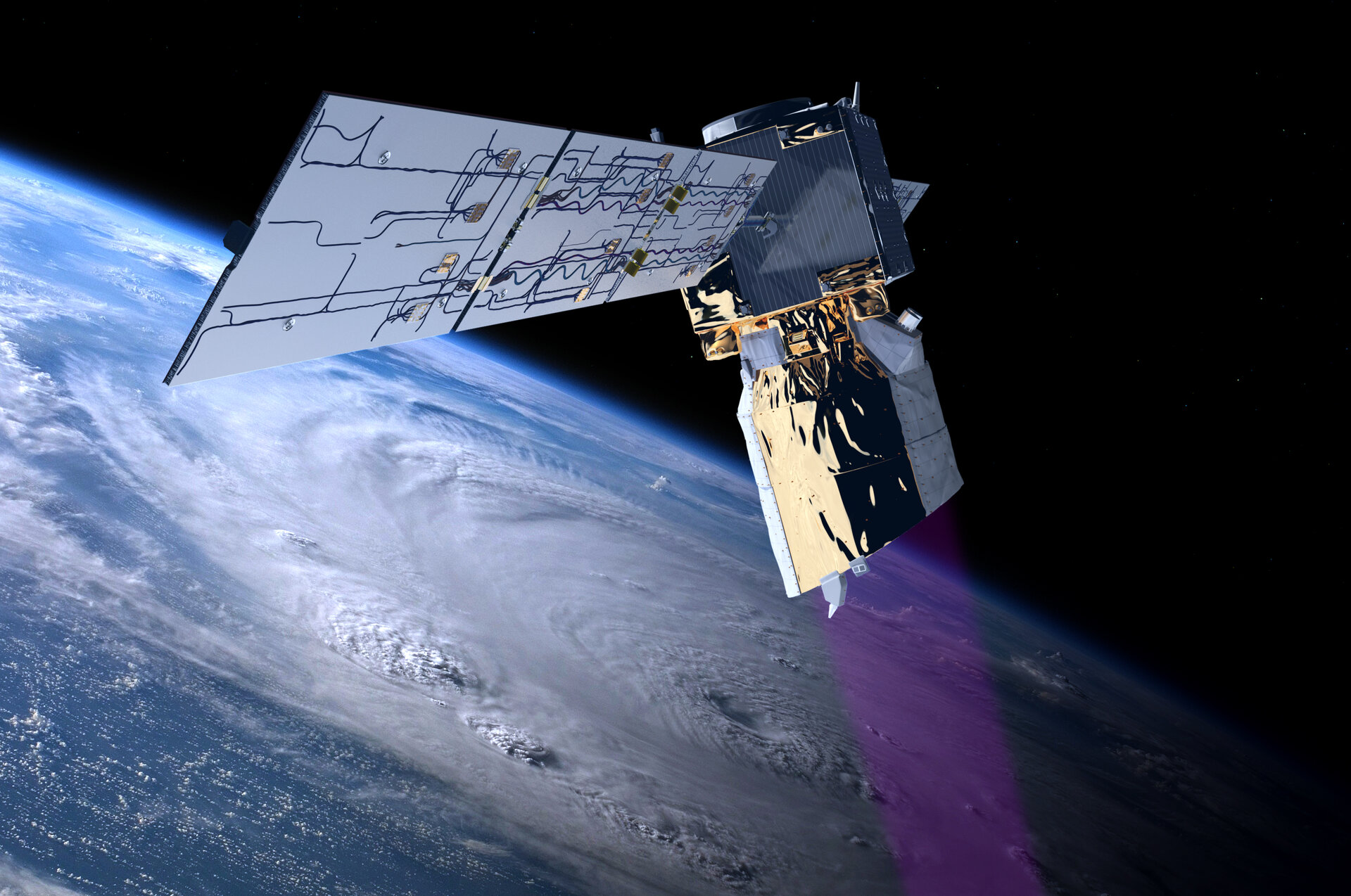
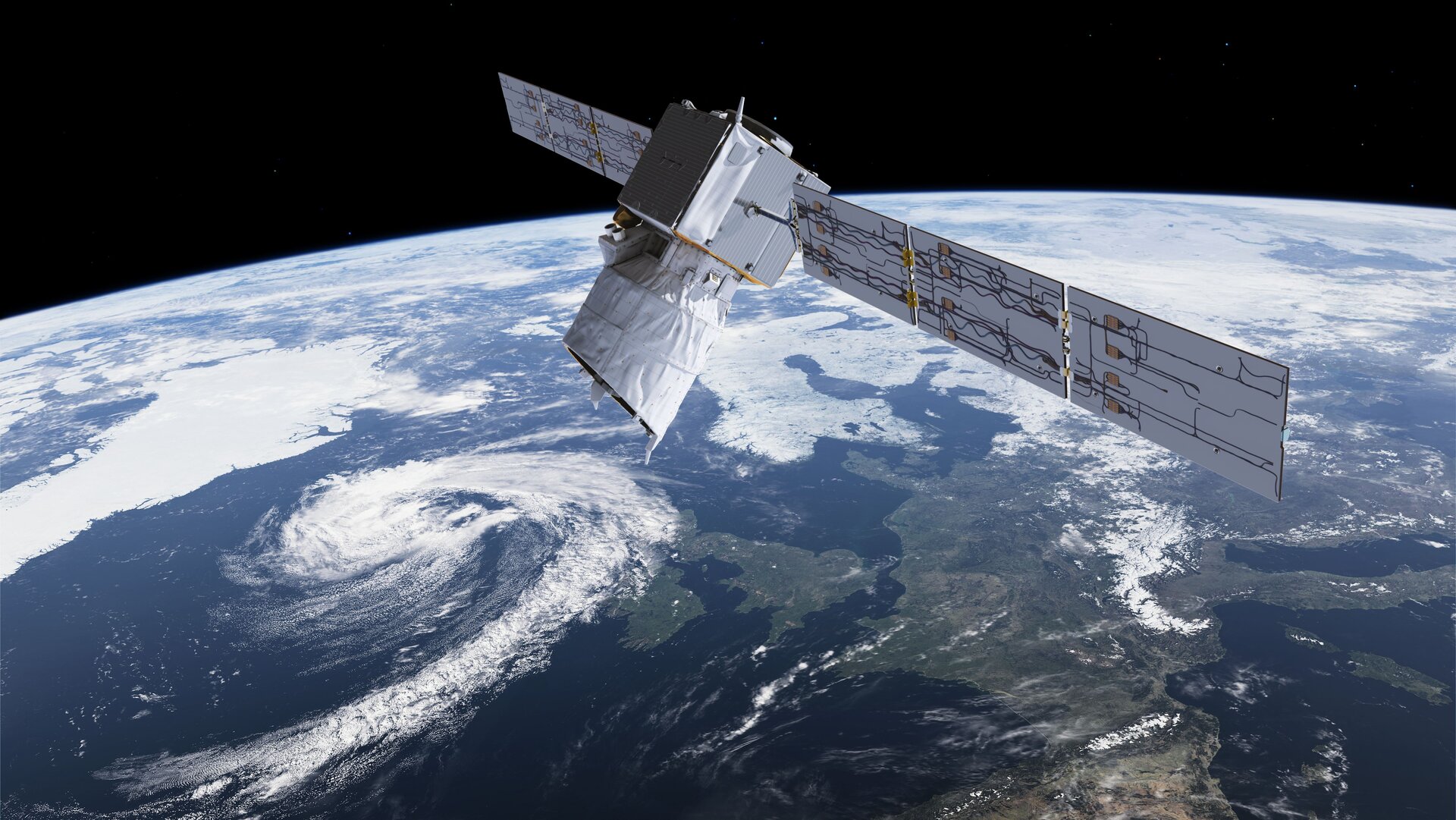
The European Space Agency's wind-profiling mission, Aeolus, captured its final images before its controlled reentry into Earth's atmosphere. The images show the satellite beginning to tumble as it was buffeted by Earth's atmosphere during its brief "junk" phase. Aeolus was in orbit for nearly five years before being passivated and handed over to the Space Debris Office. The satellite's final descent was tracked, and it ultimately burned up in Earth's atmosphere over Antarctica. The mission's success highlights sustainable spaceflight and responsible operations.

ESA's Aeolus: A Trailblazing Mission's Historic Return
space2 years ago

ESA's Aeolus: A Trailblazing Mission's Historic Return

The European Space Agency's (ESA) Aeolus wind mission has successfully concluded, setting a benchmark for satellite reentry safety measures. The mission, which provided valuable data on winds, aerosols, and clouds, exceeded expectations and extended its planned life in orbit. To ensure a safe reentry, ESA's mission control team guided Aeolus to reenter Earth's atmosphere above Antarctica, following a series of complex maneuvers. This assisted reentry, the first of its kind, demonstrated ESA's commitment to minimizing space debris and could be applied to other satellites in the future. The success of Aeolus has paved the way for ESA's long-term commitment to the safety and sustainability of space activities.

"Unprecedented Satellite Reentry: Essential Information for You"
science-and-astronomy3 years ago

"Unprecedented Satellite Reentry: Essential Information for You"

The European Space Agency (ESA) is embarking on a first-of-its-kind mission to safely guide its Aeolus spacecraft back to Earth this week. Aeolus, which has been orbiting Earth since 2018, will undergo a series of maneuvers to lower its altitude before reentering Earth's atmosphere on Friday. The mission aims to pave the way for the safe return of other space-based equipment in the future. While around 80% of Aeolus is expected to be destroyed during reentry, the mission's success could help scientists develop methods for safely bringing other disused spacecraft back to Earth.

"Aeolus Mission Control Faces Intense Simulation of Return"
space3 years ago

"Aeolus Mission Control Faces Intense Simulation of Return"

The European Space Agency (ESA) is conducting simulations at its Main Control Room to prepare for the assisted return of the Aeolus satellite through Earth's atmosphere. The mission control team is targeting the satellite's reentry towards the ocean to minimize risk. The simulations aim to anticipate various scenarios and ensure a successful reentry. The reentry comes with uncertainties due to high levels of solar activity, which affect the thickness of the atmosphere and speed up Aeolus's return. The mission, originally designed as a demonstrator, has been challenging but has revolutionized wind profiling and weather models.

"ESA Ensures Safe Reentry for Aeolus Satellite"
space-exploration3 years ago

"ESA Ensures Safe Reentry for Aeolus Satellite"

The European Space Agency (ESA) is attempting an assisted reentry for its Aeolus wind satellite, which has exceeded its planned life in orbit. The satellite's fuel is almost spent, and its descent is accelerating. ESA's mission control will use the remaining fuel to steer Aeolus during its return to Earth, aiming for a stretch of ocean far away from land. If successful, this assisted reentry will set a new standard for space safety and sustainability, addressing the increasing amount of space traffic and the problem of space debris.

Aeolus' Reentry Sets New Safety Standard.
space3 years ago

Aeolus' Reentry Sets New Safety Standard.

The European Space Agency's (ESA) wind mission, Aeolus, will be brought back to Earth for a fiery reentry and burn-up through the atmosphere. The satellite has exceeded its planned life in orbit and is running out of fuel. ESA's spacecraft operators will aim the mission towards the ocean to reduce the chance of fragments causing harm. This is the first assisted reentry of its kind and sets a precedent for a responsible approach to reduce the problem of space debris and uncontrolled reentries.

ESA's Aeolus mission concludes successful trailblazing mission.
space3 years ago

ESA's Aeolus mission concludes successful trailblazing mission.

The Aeolus mission, which measures global winds from space using a laser, will conclude its nominal operations on April 30, 2023, due to diminishing fuel and increasing solar activity. Despite outliving its predicted lifetime of three years by over 18 months, the mission has been a great achievement, with its data used by major weather forecasting services worldwide. The mission's existing data will still be available to users, and a thorough roadmap has been designed to bring the Aeolus mission to a close, including carefully re-entering the satellite back to Earth.