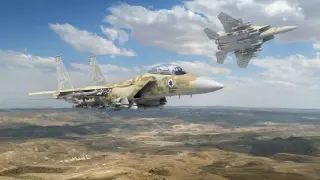
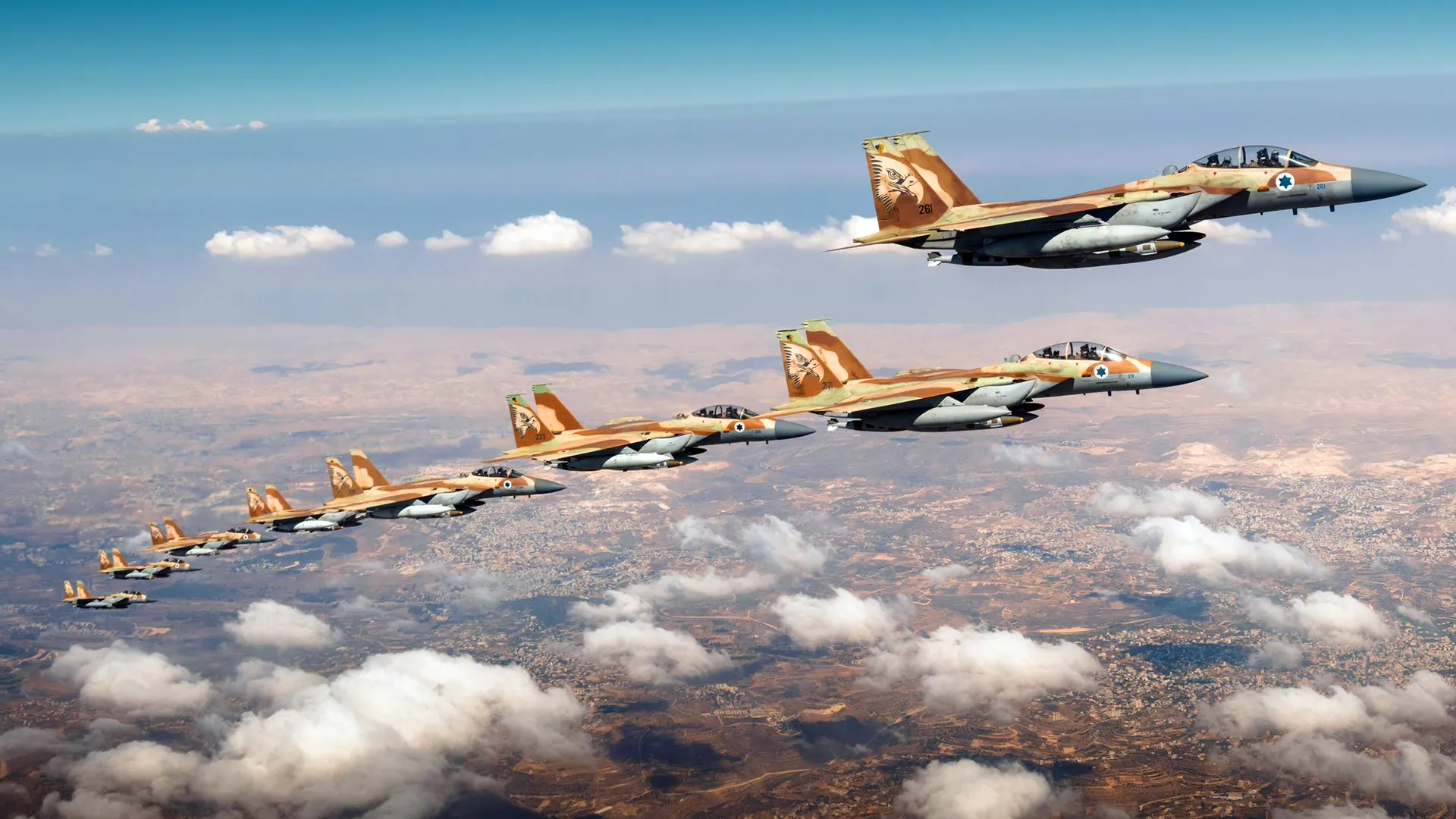
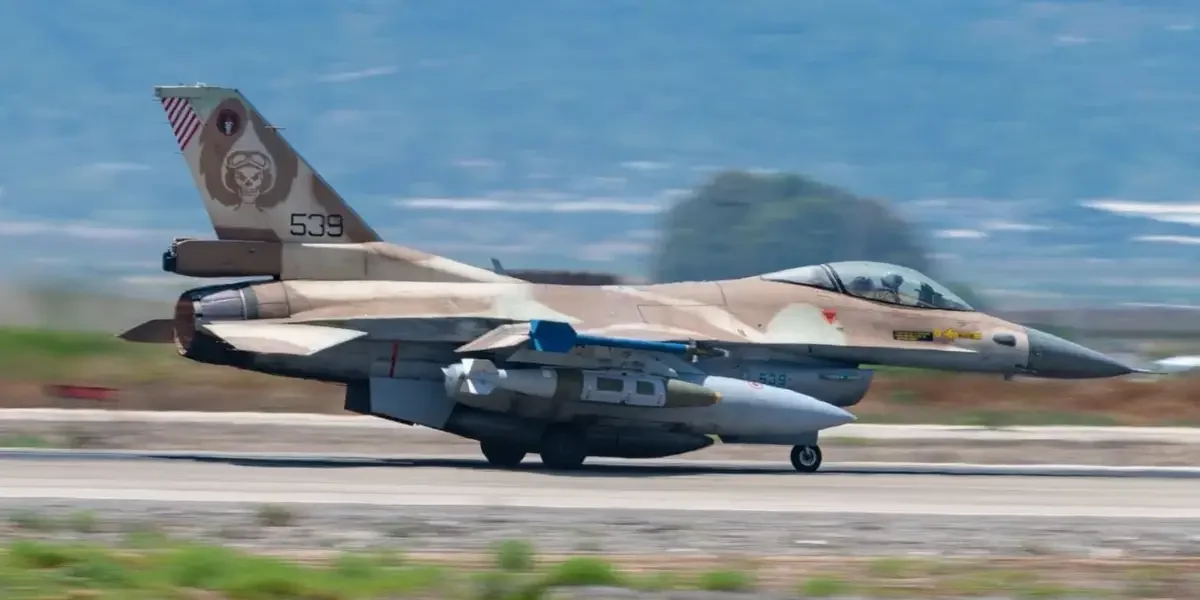
Israel approves a 10-year, NIS 350 billion defense plan that doubles its F-35 fleet to 100 and its F-15IA fleet to 50, creating two new squadrons and strengthening air superiority and overall readiness across the IDF.
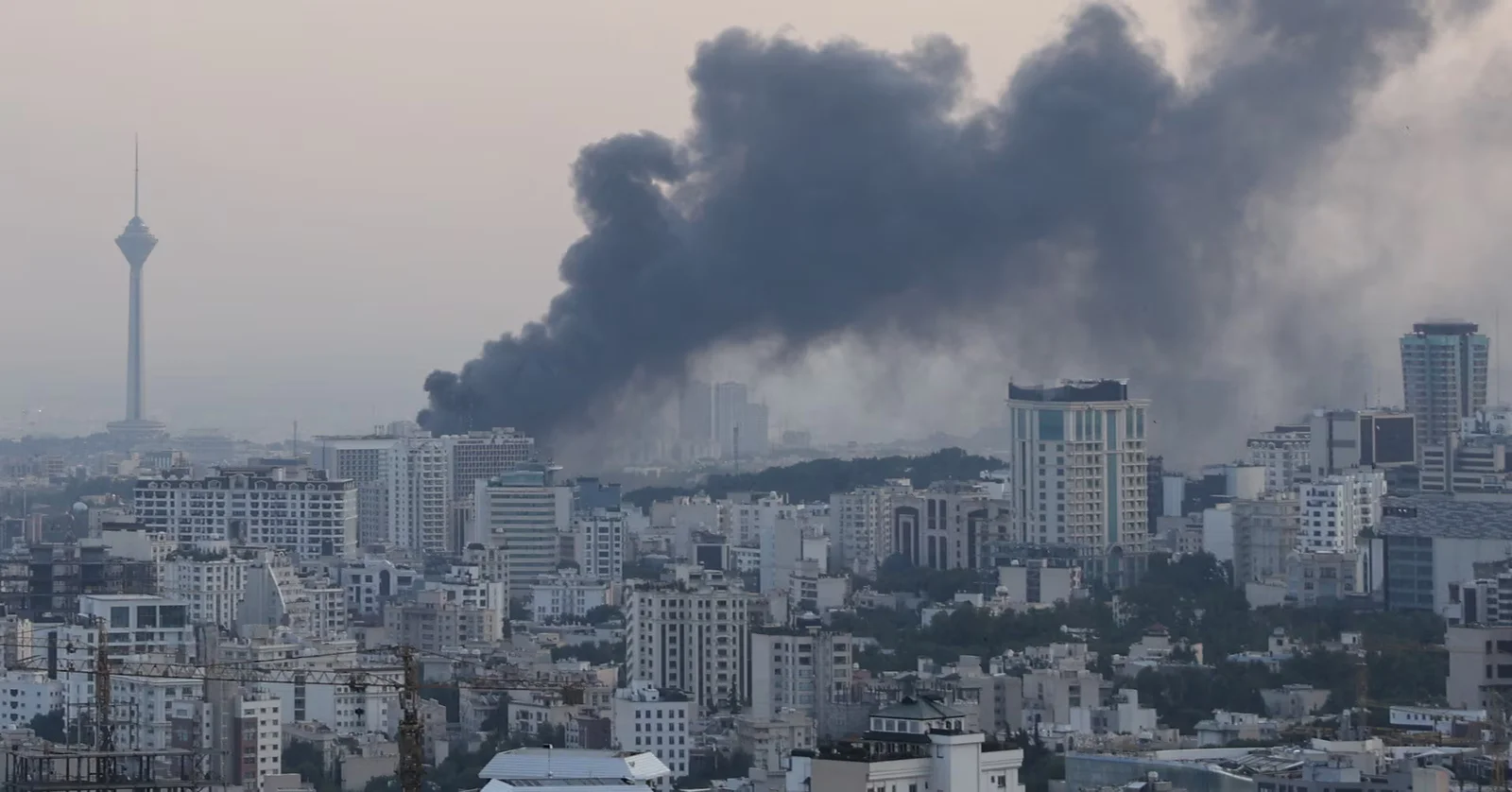
US officials announce Operation Epic Fury against Iran, detailing a dawn-to-dawn, multi-domain campaign aimed at destroying Iran’s missiles, missile production, and navy to prevent nuclear blackmail, with hundreds of targets hit in the first 24 hours and cyber/space support from US allies. The effort emphasizes surgical, overwhelming force, and warns the fight will take time, with possible additional troop movements as battle assessments continue. There are no disclosed boots on the ground yet, though the President has latitude to shape the timeline and force posture; casualties are acknowledged and the operation is described as a broader, America-first campaign rather than a quick war.
Israel demonstrated significant air superiority over Iran during a recent conflict, leveraging advanced intelligence and technology, unlike Russia's struggles over Ukraine or the US's challenges against Yemen's Houthis. Experts highlight that these conflicts are highly distinct, with Israel's success partly due to pre-existing intelligence and targeted strikes, raising questions about Iran's future ability to rebuild its defenses amid ongoing tensions.
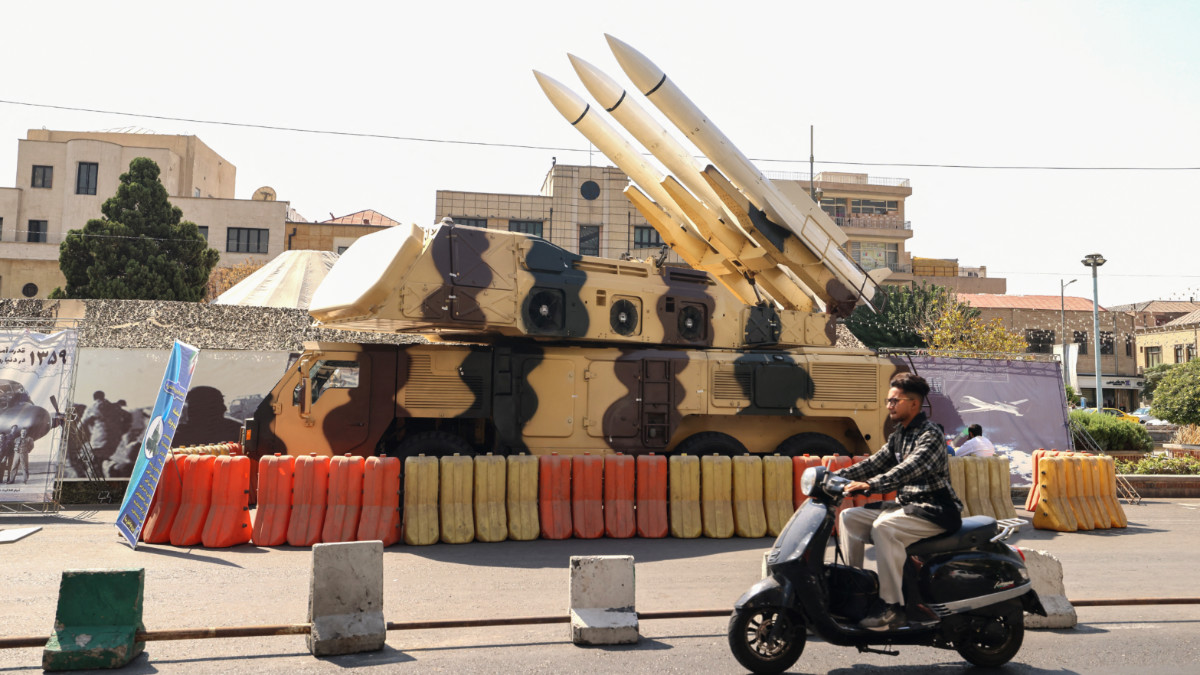
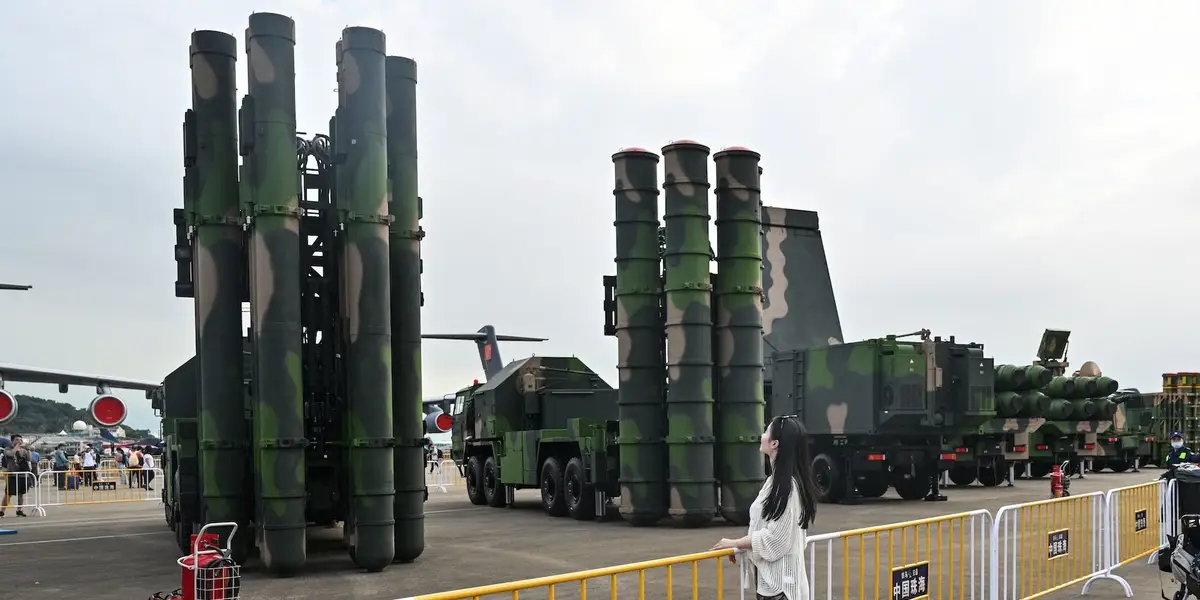
Israel demonstrated that achieving air superiority is possible in modern warfare against Iran, but experts warn that such success is much more challenging against near-peer adversaries like Russia and China due to their sophisticated air defense systems and integrated networks. While Israel's recent victory highlights the potential for air dominance, a conflict with China or Russia would likely involve complex, layered defenses making air superiority a difficult and short-lived achievement. Future warfare may require focused, short-term control of the airspace supported by strong air forces and defenses.
Israel is reinforcing its military stance against Iran, emphasizing the importance of maintaining air superiority following recent strikes that damaged Iran's nuclear capabilities. Israeli officials, including Defense Minister Israel Katz, have ordered preparations for potential kinetic actions to prevent Iran's nuclear and missile advancements, amidst ongoing regional tensions and recent military operations. The situation remains volatile with ongoing assessments of Iran's nuclear status and potential for further conflict.
Israel claims air superiority over Iran, significantly expanding its military strikes against Iranian targets, but experts say deeper strategic success, especially against buried nuclear sites, would require US involvement. While Israel has achieved notable tactical successes and operates with near-total freedom over Iran and Syria, complete destruction of Iran's nuclear capabilities remains challenging without US support, and Iran has responded with missile attacks. The conflict echoes previous Israeli campaigns in Lebanon and highlights Israel's advanced military capabilities, but also underscores the limitations of air power alone in achieving strategic objectives.
Israel has declared air superiority over Iran after extensive bombing campaigns that degraded Iran's air defenses, allowing Israeli jets to operate more freely and use cheaper, precision-guided munitions against Iranian targets, while Iran responds with costly ballistic missiles and drones, leading to a costly and ongoing conflict.
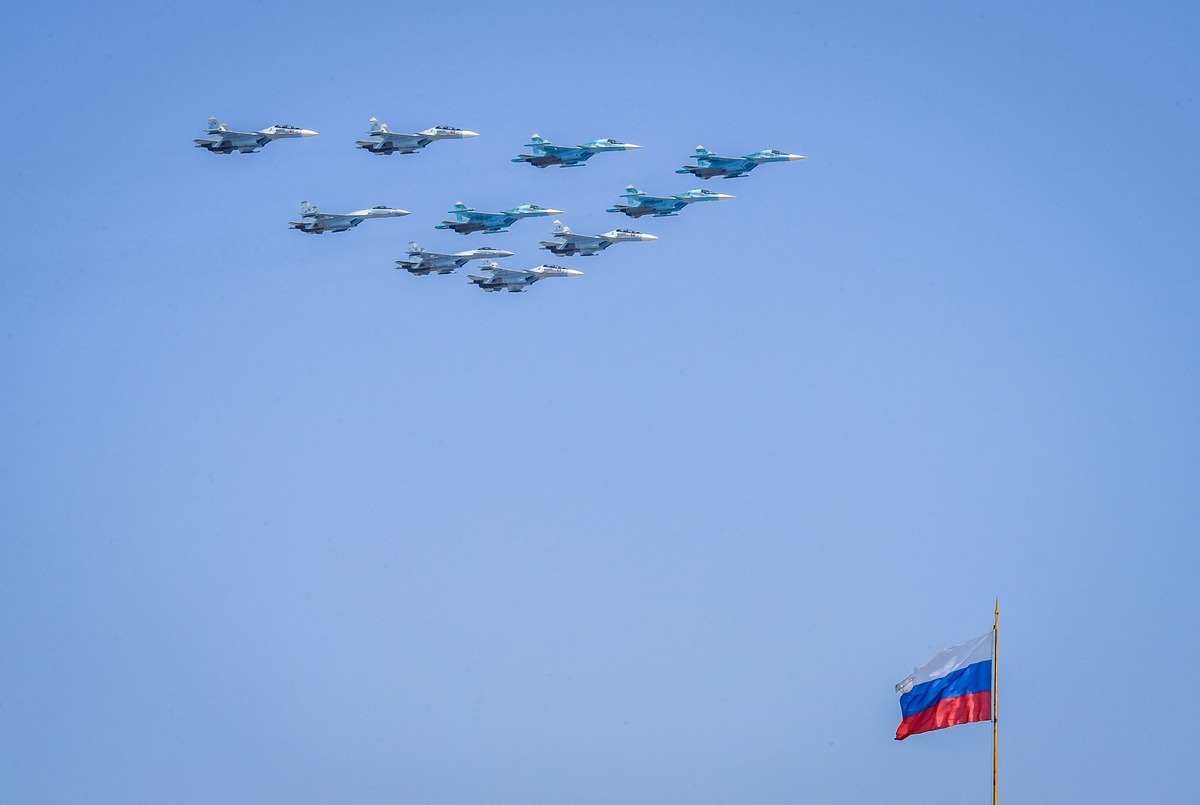
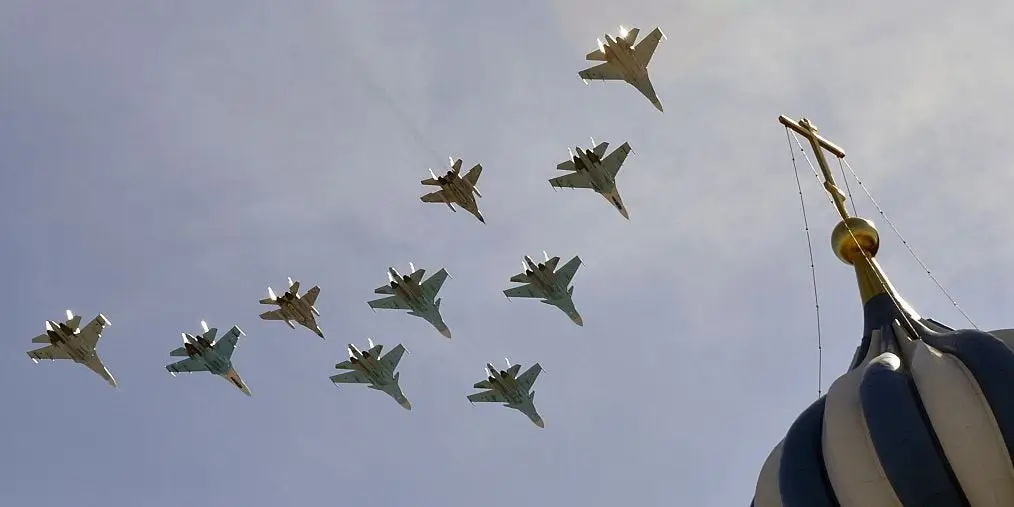
Ukraine's air force claims to have downed 14 Russian fighter jets in two weeks, including Su-34s and Su-35s, amid Russia's ground forces advancing westward in Ukraine. Despite Russia's larger and more advanced air force, the reported losses are significant, with Western assessments indicating territorial gains for Russia. The U.S. think tank, the Institute for the Study of War, suggests that Russia is willing to risk aviation losses to support its tactical advances in eastern Ukraine, potentially re-imposing air superiority around strategic areas.
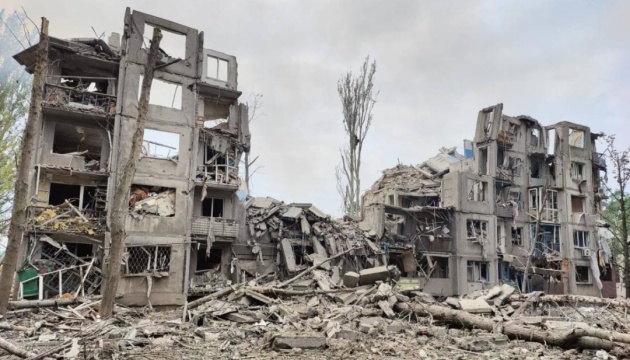
Russia's air force gained control of the skies over Avdiivka, Ukraine, as its ground forces pushed to capture the city, marking a potential turning point in the conflict. War experts warn that if Russia continues to maintain air superiority, it could have devastating effects on Ukraine, as its air defense limitations may allow Russia to conduct aggressive bombing campaigns. The capture of Avdiivka is seen as a significant victory for Russia, but it came at a high cost in terms of casualties and equipment losses. The town's operational significance is debated, but it has fueled Russian propaganda and raised concerns about Ukraine's ability to defend against further Russian advances.
Russian forces were able to capture Avdiivka due to temporary localized air superiority, using glide bombs to provide close air support to advancing infantry troops. The Institute for the Study of War (ISW) reported that delays in Western security assistance may further constrain Ukrainian air defenses, allowing Russian forces to replicate this tactic at scale in Ukraine. Ukrainian forces retreated from Avdiivka after sustaining significant losses, with the Russian army reportedly losing 47,186 troops, 364 tanks, and 5 aircraft during the four-month defensive operation.
A second F-15 fighter jet of the Royal Saudi Air Force (RSAF) has crashed this year, raising concerns about the aircraft's reputation. The latest crash occurred during a training mission at the King Abdulaziz Air Base in Dhahran, resulting in the death of the two crew members onboard. An investigation has been launched to determine the cause of the crash. The F-15SA, a two-seat variant of the McDonnell Douglas F-15, is considered the most sophisticated version and is operated by several countries in the Middle East, including Saudi Arabia, Israel, and Qatar. The F-15 has a history of air-to-air victories and is known for its air superiority capabilities.
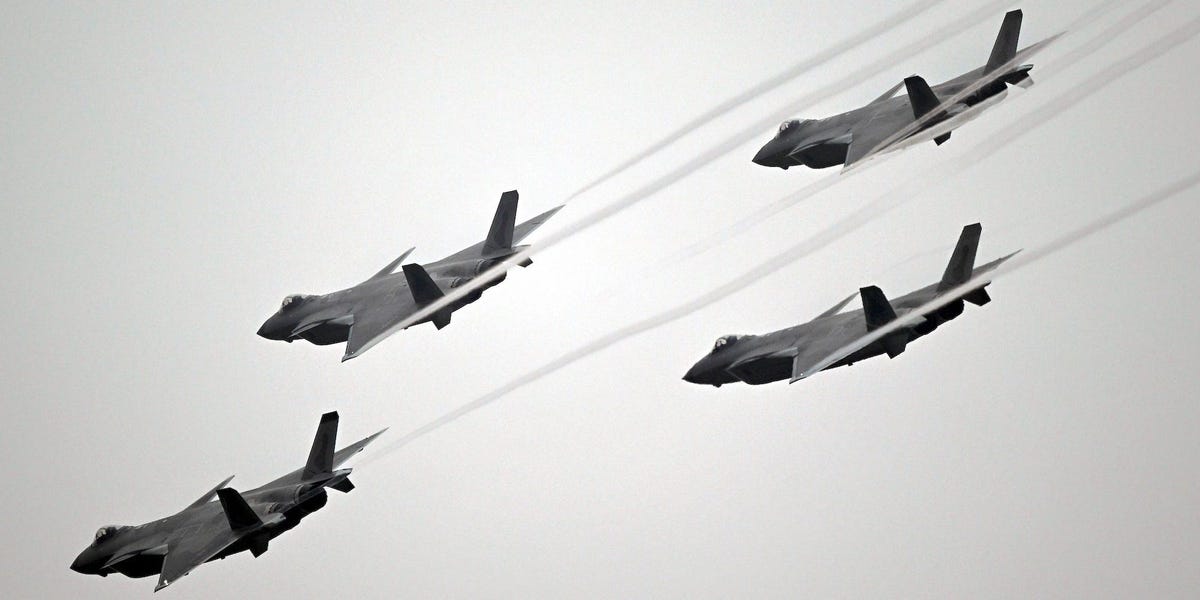
Russian and Chinese jets have been engaging in frequent unsafe intercepts of US aircraft, reflecting a desire to challenge the US and assess its capabilities, according to top US military commanders. These encounters come as the US Air Force's aging jets and weapons continue to pose challenges for air superiority. While the US still maintains an advantage in aircraft technology and pilot experience, the lead is shrinking, prompting Russia and China to test their own aircraft and pilots against the US. The risks of these encounters are exacerbated by China's refusal to engage in military-to-military discussions, increasing the likelihood of accidents escalating.
The US and Chinese air forces are reevaluating their strategies for achieving air superiority in a war, as advanced sensors and long-range weapons make it increasingly difficult to maintain control of the skies. Both sides recognize that achieving permanent dominance over the air is becoming unlikely, and instead, they are considering a more temporal approach, focusing on achieving air superiority for key tasks at key times and over key areas. The concept of control of the air, as originally conceived by airpower theorist Giulio Douhet, is being challenged by new technologies such as drones and cyberwarfare. The Chinese military, in particular, is questioning the feasibility and necessity of absolute control of the air in future campaigns.
Ukraine is facing a challenge in its military conflict with Russia as it runs into Russian air superiority, with Russian fighter jets and drones being able to operate with impunity over Ukrainian territory. Ukraine has been seeking to acquire more advanced air defense systems, but has faced obstacles in doing so.
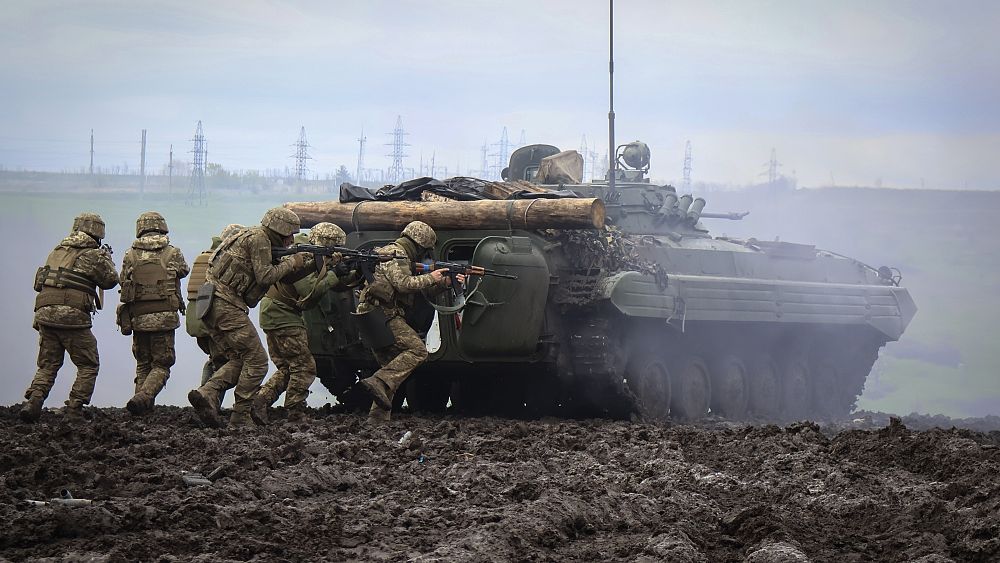
Experts predict that Ukraine's anticipated counter-offensive against Russia could start in late autumn or early summer, with the most likely target being the Zaporizhzhia region. However, Russian troops are reportedly reinforcing their positions in the area, making it a risky move for Ukraine. Other potential targets include the Kherson and Luhansk regions, but each has its own disadvantages. Ukraine's lack of air superiority and frontline air defence assets could also pose a challenge, while Russia's fortifications along the front line and nuclear rhetoric add to the complexity of the situation.