Tag

Alzheimers Risk

All articles tagged with #alzheimers risk

Brain-Boosting Habits to Lower Alzheimer's Risk, Says Preventive Neurologist
health1 month ago

Brain-Boosting Habits to Lower Alzheimer's Risk, Says Preventive Neurologist

Dr. Kellyann Niotis, a preventive neurologist, shares science-backed daily habits to reduce Alzheimer's risk: stay well hydrated (the brain is largely water), eat berries daily for antioxidants, include fatty fish twice weekly for omega-3s, and prioritize heavier strength training several times a week to preserve muscle mass linked to brain health. She also advocates variety in workouts and social interactions to boost brain reserve, highlighting links between muscle mass and hippocampal health and offering concrete, actionable steps beyond generic advice.

SuperAgers’ Sharp Memory Defies Simple Genetic Explanation
health1 month ago

SuperAgers’ Sharp Memory Defies Simple Genetic Explanation

A multi-site study of 142 SuperAgers and 89 cognitively average peers finds that exceptional memory in people in their 80s and 90s cannot be explained by inherited Alzheimer's risk alone; APOE status, Alzheimer's polygenic risk scores, and rare protective variants did not distinguish SuperAgers, underscoring the need to explore protective biological, behavioral, and social pathways for healthy cognitive aging.

Two APOE-e4 copies spark a brain-health overhaul
health1 month ago

Two APOE-e4 copies spark a brain-health overhaul

Elena Castellanos, who learned she carries two copies of the APOE e4 Alzheimer’s risk gene, has begun a proactive brain-health program with preventive neurologist Dr. Kellyann Niotis. She’s adopting a Mediterranean diet, increasing omega-3 intake, and combining strength training, HIIT, and cardio; improving sleep (including managing sleep apnea) and cutting alcohol; and keeping up with regular medical and biomarker testing. In just one year, her brain-inflammation marker GFAP dropped ~32%, amyloid declined ~20%, and tau dropped ~29%, with cholesterol and muscle gains as additional wins. While tests can be costly, Castellanos hopes these lifestyle changes can reduce her risk, underscoring that genetics aren’t destiny and that informed choices can matter for brain health.

Two APOE e4 Genes, One Brain-Health Makeover: A Woman’s Lifestyle Shift to Fight Alzheimer’s Risk
health1 month ago

Two APOE e4 Genes, One Brain-Health Makeover: A Woman’s Lifestyle Shift to Fight Alzheimer’s Risk

Elena Castellanos, who has two copies of the APOE e4 gene, overhauled her lifestyle—Mediter­ranean-style diet, varied exercise, optimized sleep, and no alcohol—while pursuing regular brain-health monitoring. In one year, her brain biomarkers improved (GFAP down 32%, amyloid down 20%, tau down 29%), illustrating that genetics aren’t destiny and proactive choices can modulate dementia risk.

Anti-inflammatory eating tied to lower dementia risk in high-risk seniors, study shows
health2 months ago

Anti-inflammatory eating tied to lower dementia risk in high-risk seniors, study shows

A Swedish study followed nearly 2,000 people over 60 for 15 years to compare three diets (AMED, AHEI, and an anti-inflammatory regimen called rEDII). Among those at higher risk for Alzheimer’s, only the anti-inflammatory diet reduced dementia risk, highlighting foods that combat inflammation—berries, leafy greens, omega-3s (salmon, walnuts), fiber, whole grains, legumes, fruits, nuts, seeds, and healthy fats like olive oil and avocado. The researchers note DASH and Mediterranean patterns support brain health but may not reverse decline; lifestyle factors such as adequate sleep and limiting red meat are also important for long-term brain health.

High-Dose DHA Fails to Boost Cognition or Prevent Dementia in At-Risk Adults
health2 months ago

High-Dose DHA Fails to Boost Cognition or Prevent Dementia in At-Risk Adults

A randomized, double-blind trial found that two years of high-dose DHA supplementation raised brain and blood DHA levels in older adults at risk for dementia, but it did not improve cognitive function or brain structure compared with placebo, even among APOE ε4 carriers. The study suggests DHA alone does not prevent dementia, though omega-3s remain beneficial as part of a balanced diet and brain-healthy lifestyle.

Stanford scientists unveil new tools and insights to extend healthspan and slow aging
health1 year ago

Stanford scientists unveil new tools and insights to extend healthspan and slow aging

Stanford Medicine researchers developed an algorithm analyzing blood proteins to determine the biological age of organs, revealing that a 'young brain' correlates with longer life and lower disease risk, especially for Alzheimer's. The study suggests potential for early intervention and personalized medicine to improve healthspan and lifespan.

75-Year-Old Grandfather Shares Fun Tests to Delay Dementia
health1 year ago

75-Year-Old Grandfather Shares Fun Tests to Delay Dementia

A 75-year-old man from El Salvador actively maintains his cognitive health by reading, solving puzzles, and studying for fun, which experts say can delay dementia onset. His efforts, supported by family and supported by research, highlight the importance of mental stimulation, a healthy diet, social engagement, and managing medical conditions to promote brain health as we age.

"Unveiling Alzheimer's Risk: Imaging Brief Oxygen Deficits in the Brain"
neuroscience2 years ago

"Unveiling Alzheimer's Risk: Imaging Brief Oxygen Deficits in the Brain"

A new bioluminescence imaging technique allows scientists to observe oxygen movement in the brain, revealing widespread patterns of oxygen distribution and detecting "hypoxic pockets" that are more common in sedentary states and could be linked to an increased risk of Alzheimer’s disease. This research paves the way for better understanding diseases associated with brain hypoxia and testing therapeutic interventions, providing a tool to study a range of diseases associated with hypoxia in the brain, including Alzheimer’s, vascular dementia, and long COVID, and how a sedentary lifestyle, aging, hypertension, and other factors contribute to these diseases.

"FAU researchers receive $4.2 million grant to explore the connection between agricultural fire smoke and Alzheimer's risk"
health3 years ago

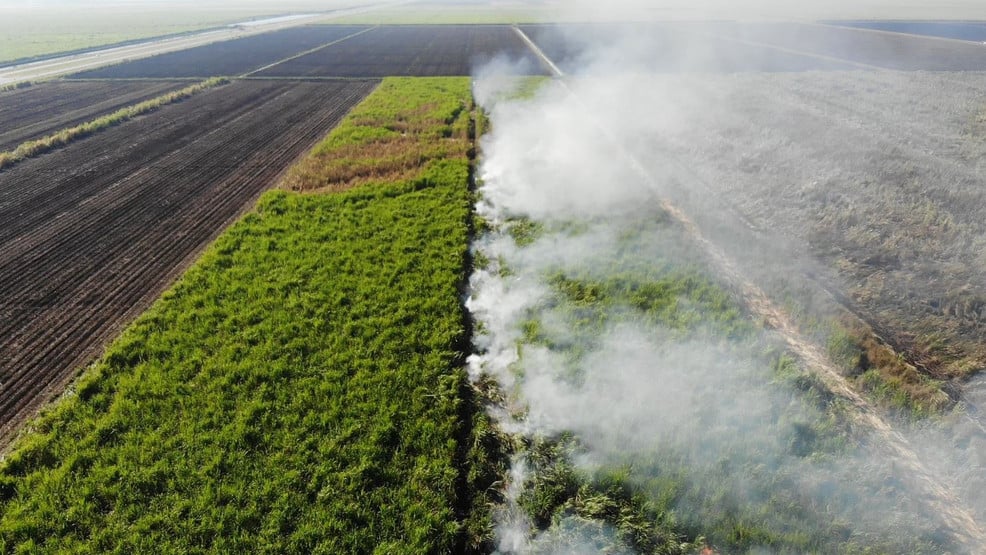
"FAU researchers receive $4.2 million grant to explore the connection between agricultural fire smoke and Alzheimer's risk"

Florida Atlantic University has received a $4.2 million federal grant to conduct a study on the relationship between smoke exposure from agricultural fires and the risk of developing Alzheimer's disease. The research will focus on rural areas in Palm Beach County and aims to improve understanding of the impact of air quality on cognitive health.