Tag

Apoe4

All articles tagged with #apoe4

Higher unprocessed meat intake linked to slower dementia progression in APOE4 carriers
health15 days ago

Higher unprocessed meat intake linked to slower dementia progression in APOE4 carriers

A Swedish observational study found that adults over 60 with APOE3/4 or APOE4/4 genotypes who consumed more unprocessed meat had slower cognitive decline and a lower risk of dementia, compared with those eating less meat; processed meat was associated with higher risk. The study does not prove causation and intervention studies are needed.

Biomarker may flag dementia risk for certain menopause hormone therapies
health27 days ago

Biomarker may flag dementia risk for certain menopause hormone therapies

New analysis of WHI data finds that higher baseline plasma p-tau217, an Alzheimer's biomarker, is linked to a substantially higher dementia risk, especially for women on combined estrogen–progesterone therapy started later in life; estrogen-only therapy did not show the same pattern. The risk was strongest among women over 70, white women, and APOE4 carriers, suggesting hormone interactions with brain vulnerability rather than a direct cause. Starting combined hormone therapy around menopause for five years or less generally does not raise dementia risk, but starting after 65 may for some women. Biomarkers like p-tau217 could help identify who is most at risk.

Eye-dwelling bacteria linked to Alzheimer's risk could aid early detection
science1 month ago

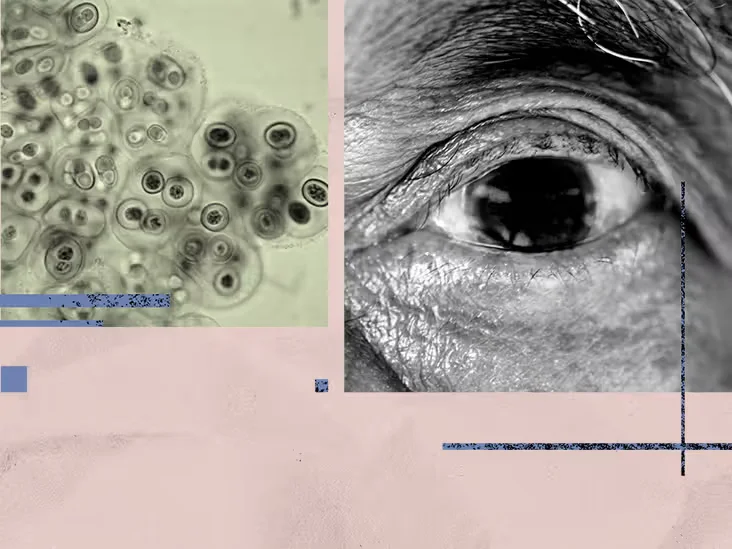
Eye-dwelling bacteria linked to Alzheimer's risk could aid early detection

A Nature Communications study found higher levels of the bacterium Chlamydia pneumoniae in retinal tissue of people with Alzheimer's disease, with greater bacterial burden associated with more severe cognitive decline. The findings, supported by lab and mouse models, suggest retinal infection and inflammation may reflect brain pathology and that APOE4 carriers had higher retinal bacterial levels, pointing to retinal imaging as a potential noninvasive biomarker and possible infection-targeted therapies.

health9 months ago

Should You Discover Your Genetic Risk for Alzheimer's?

The article discusses the implications of discovering your genetic risk for Alzheimer's disease, particularly the APOE4 gene, highlighting that while genetic testing can inform about increased risk, lifestyle choices such as sleep, exercise, diet, and inflammation management play a crucial role in mitigating this risk. It emphasizes that genes are not destiny and encourages proactive health habits regardless of genetic results.

Leqembi Endorsed for Early Alzheimer's Therapy
health1 year ago

Leqembi Endorsed for Early Alzheimer's Therapy

The European Medicines Agency's human medicines committee has recommended Leqembi (lecanemab) for treating early Alzheimer's disease in patients with one or no copies of the ApoE4 gene, due to a lower risk of amyloid-related imaging abnormalities (ARIA). This decision follows a re-examination of data showing Leqembi's benefits in slowing cognitive decline outweigh its risks in this restricted population. The recommendation includes safety measures like MRI monitoring and a controlled access programme to mitigate ARIA risks. The decision now awaits approval from the European Commission.

health2 years ago

"Link Between APOE4 and Lipid Droplets in Microglia Revealed"

A study published in Nature reveals that APOE4 exacerbates the formation of lipid droplets in microglia, particularly in individuals with Alzheimer's disease. This lipid accumulation is linked to the overexpression of an enzyme involved in triglyceride synthesis, and APOE4/4 microglia were found to release neurotoxic substances, potentially including the triglycerides themselves. The study suggests that APOE4/4 microglia may be detrimental to neurons and could play a role in the progression of Alzheimer's disease.

Revolutionary Immunotherapy Offers Hope for Reversing Alzheimer's
health2 years ago

Revolutionary Immunotherapy Offers Hope for Reversing Alzheimer's

Researchers at the University of Colorado Alzheimer's and Cognition Center have discovered that a drug called GM-CSF, already approved for rheumatoid arthritis, can reverse Alzheimer's disease. In addition, two commonly used psychiatric drugs, imipramine and olanzapine, were found to block the effects of a protein known as APOE4, which significantly increases the risk of developing Alzheimer's. These findings offer hope for more personalized care and the development of effective treatments for Alzheimer's patients.