Rumer Willis Tests Alzheimer’s Risk with APOE Gene Analysis Amid Bruce Willis Dementia Battle
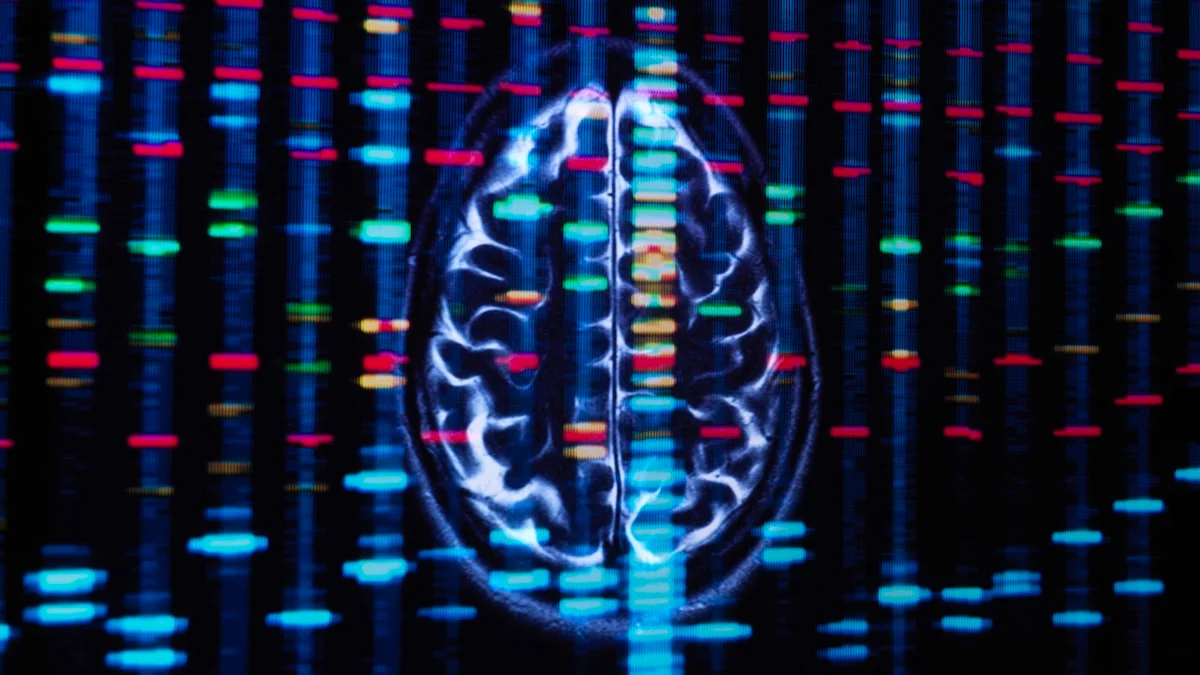
Rumer Willis took a ‘terrifying’ APOE genetic test with Function to gauge her Alzheimer’s risk, motivated by her father Bruce Willis’s frontotemporal dementia. She reported a “pretty average” score—there’s some risk but not extreme—and emphasized that having information is empowering, as she and her sisters continue to share updates on their father’s health and family history.