Martin Scorsese stated that a planned Cleopatra film starring Angelina Jolie was canceled due to the 2014 Sony hack. The breach, triggered by Seth Rogen's comedy The Interview, exposed internal studio emails that derailed the project.
Martin Scorsese revealed in a new interview that he was set to direct Angelina Jolie in a Cleopatra biopic, a project he claims was destroyed by the 2014 Sony hack. The director blames Seth Rogen’s comedy The Interview for provoking North Korea, which led to the email leak that exposed internal studio conflicts and killed the film.
In Conversations with Tyler, Toby Wilkinson surveys Ptolemaic Egypt (332–30 BCE), showing Alexandria as the ancient world’s premier commercial hub built on gold and grain, supported by a vast library and a cosmopolitan, two-tier society of Greek rulers and Egyptian subjects. Cleopatra is highlighted as a significant last ruler who navigated Rome’s rise, while the empire’s growth was constrained by ambition and external competition, leading to eventual Roman conquest and financial overreach. The talk also covers economics (monopolies, taxation), daily life, science and medicine in Alexandria, and the evolving frontiers of archaeology—underwater finds, AI-enabled reading of papyri—promising new insights into this pivotal era.
In 2012, NASA sent two jumping spiders, Nefertiti and Cleopatra, to the International Space Station to study how they adapt to microgravity. Nefertiti hunted fruit-fly prey in space and the mission set a record for the longest time spent by a spider in space (100 days). Cleopatra died on return to Earth, while Nefertiti survived the voyage and readjusted to gravity, later dying four days after a Smithsonian display.
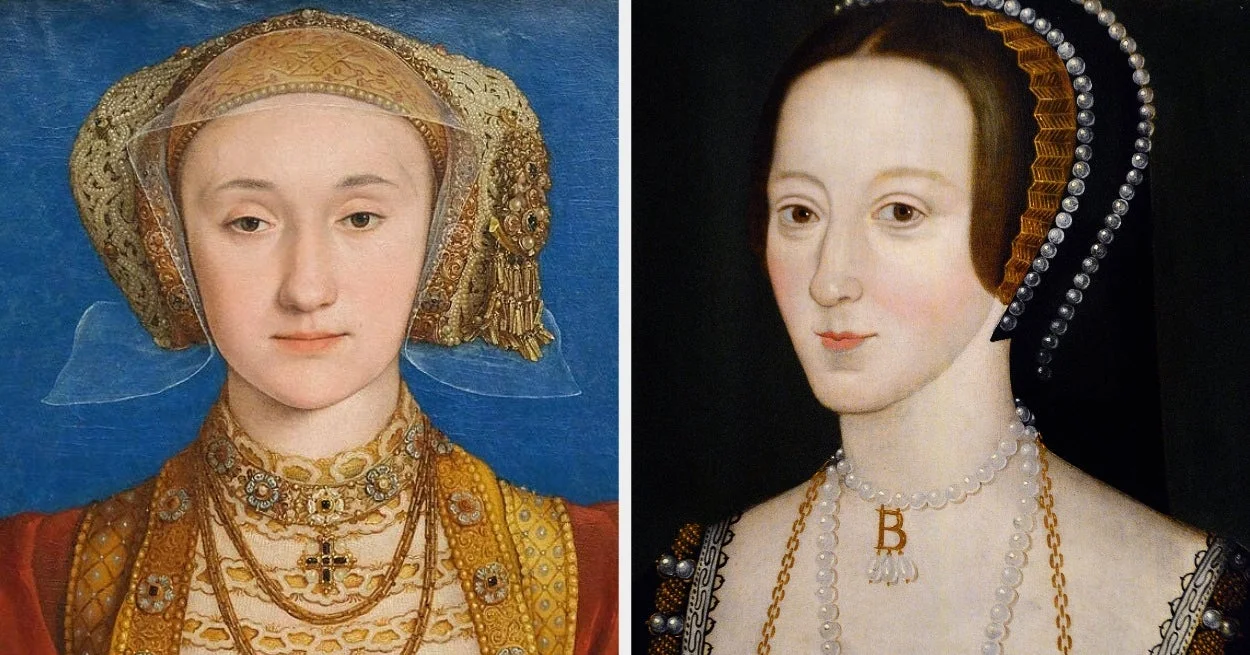
The article debunks common historical misconceptions, such as knights' armor being slow, Cleopatra's beauty, the fall of the Roman Empire, and the story of the space pen, providing accurate historical context and clarifications.
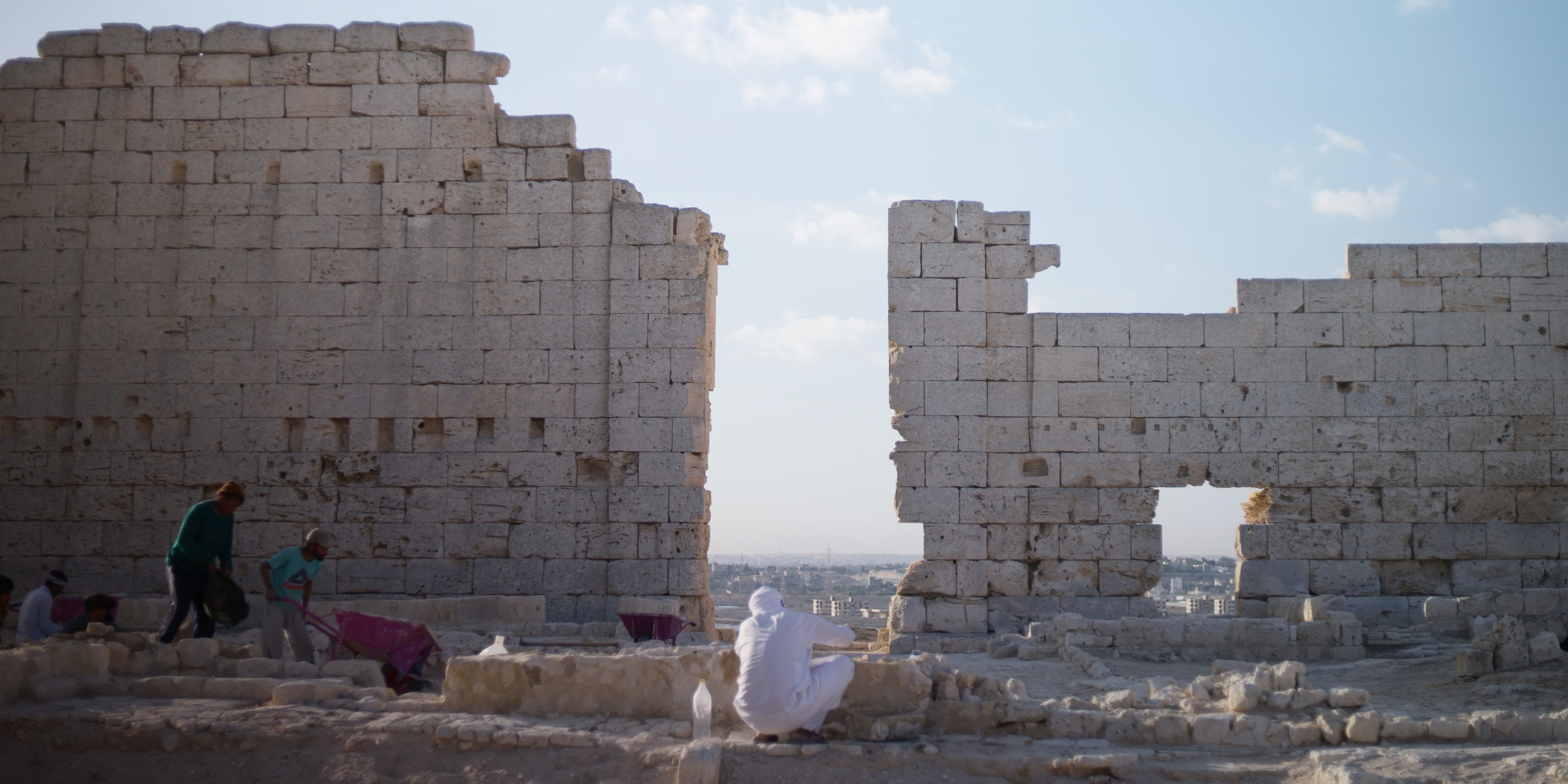
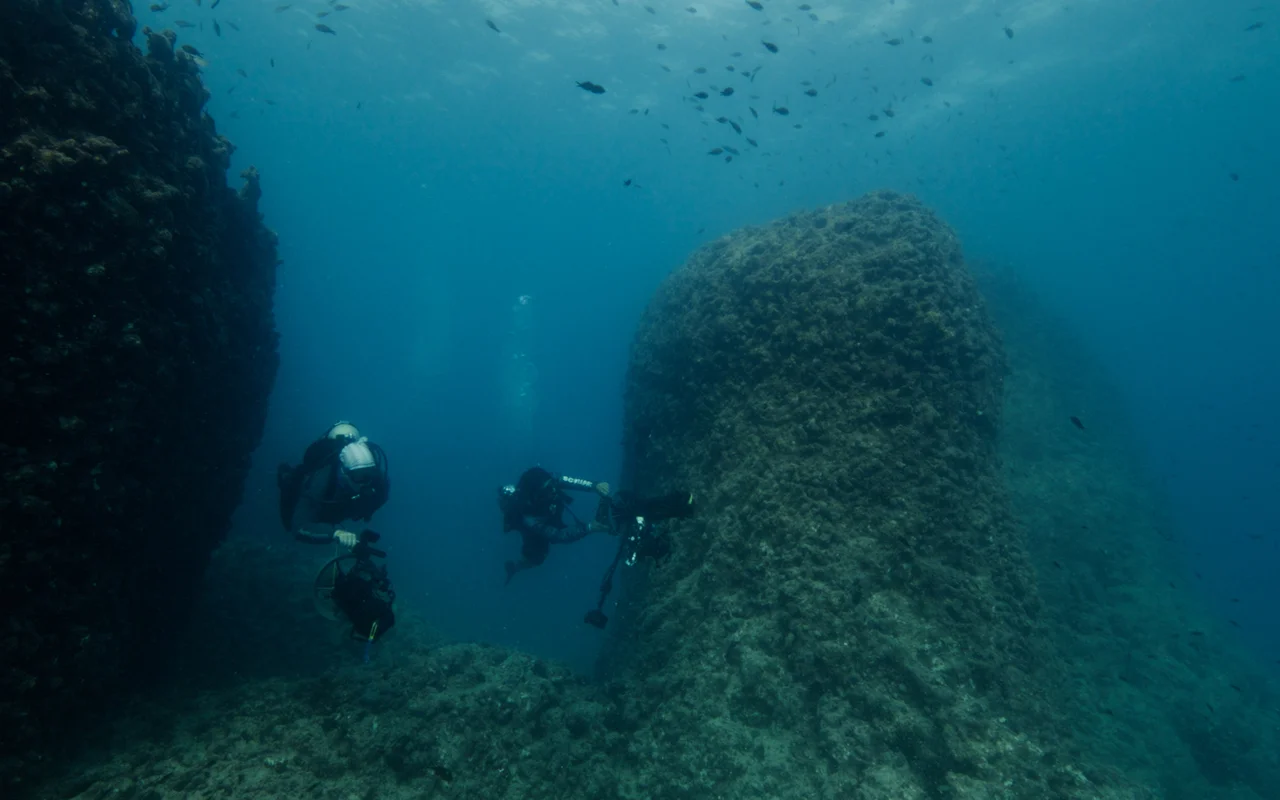
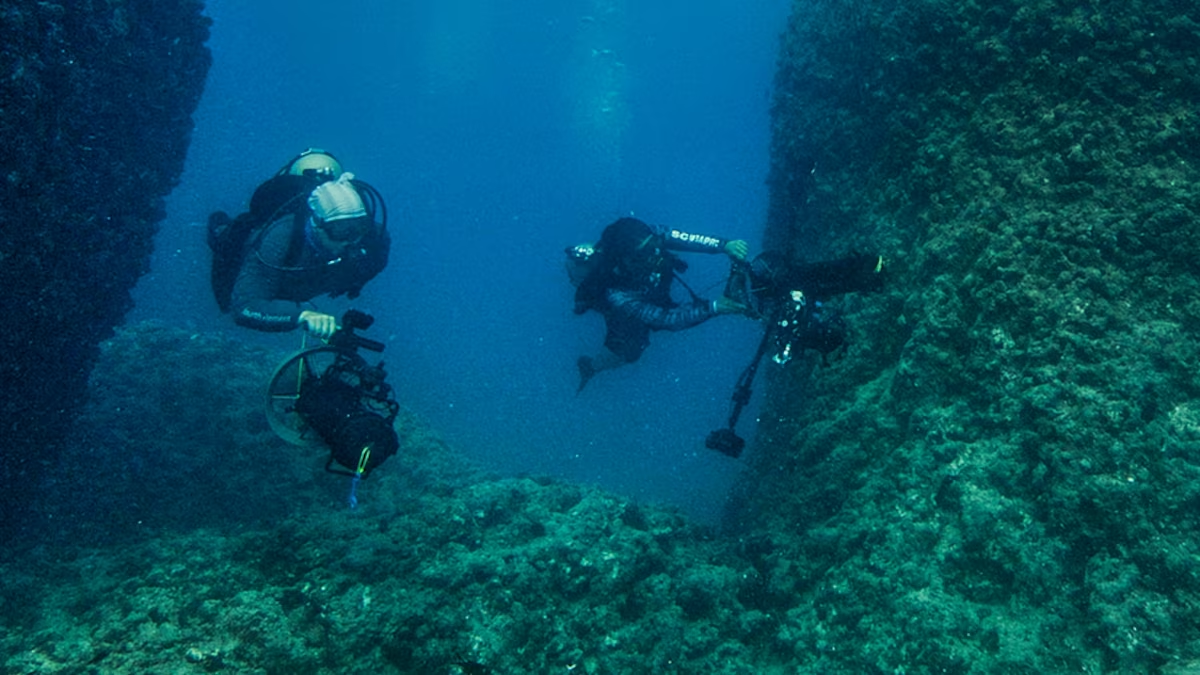
Archaeologists have discovered a sunken ancient Egyptian port near Taposiris Magna, which may be connected to Cleopatra's tomb, a long-standing mystery. The site includes submerged shoreline, tunnels, and artifacts dating to the Ptolemaic period, supporting the theory that Cleopatra's final resting place might be there, rather than in Alexandria's Royal Quarters.
A new documentary reveals the discovery of hundreds of coins depicting Cleopatra VII and a submerged port at Taposiris Magna in Egypt, fueling speculation that her tomb might be located underwater nearby, although this remains unconfirmed by scholars.
Archaeologists have discovered a submerged ancient port near Taposiris Magna in Egypt, which may be linked to Cleopatra's final resting place, supporting theories that her tomb is located nearby. The site includes structures from Cleopatra's era and is part of ongoing efforts to locate her tomb, with findings featured in a National Geographic special.
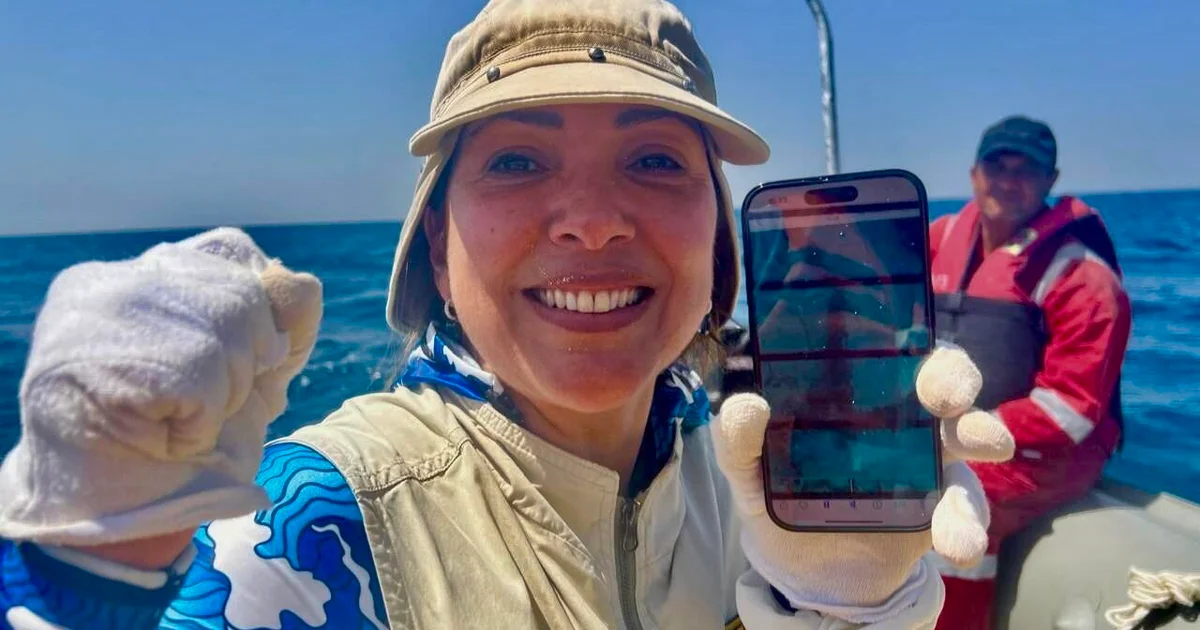
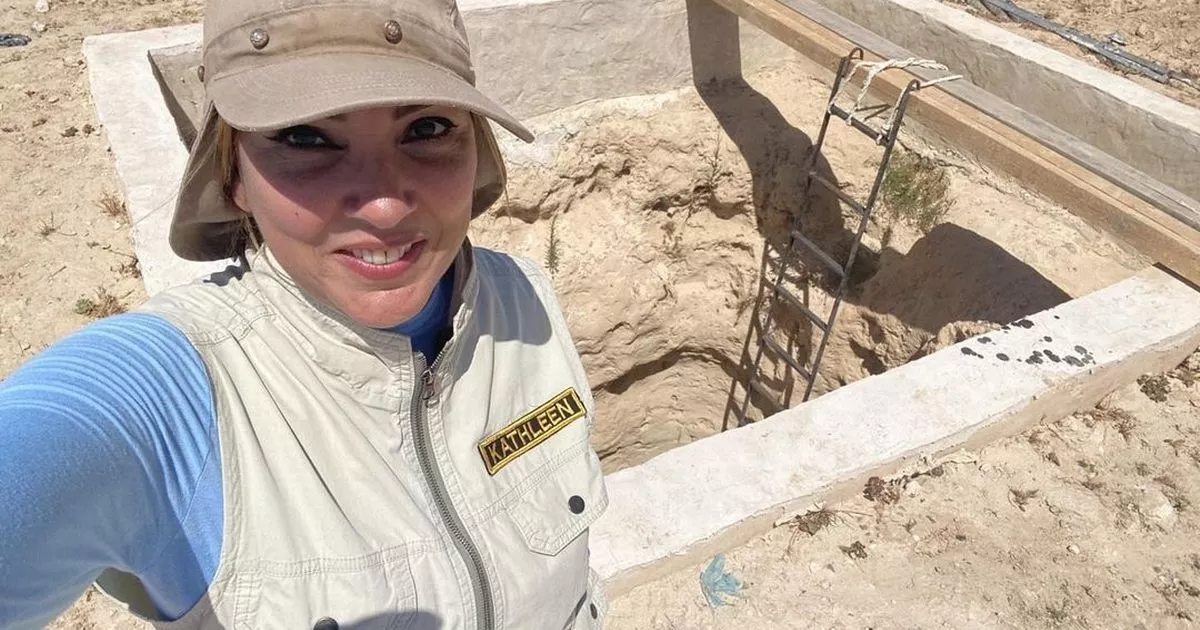
Archaeologist Kathleen Martínez and her team believe they may have found a crucial clue to Cleopatra's tomb at Taposiris Magna, including a sunken port and a tunnel leading to the sea, potentially solving a 2,000-year-old mystery after two decades of search.
Archaeologist Kathleen Martínez and her team have discovered a sunken port off the coast of Taposiris Magna in Egypt, suggesting the site was a significant maritime hub during Cleopatra's era and possibly the location of her burial, bringing her closer to finding Cleopatra's tomb after two decades of search.
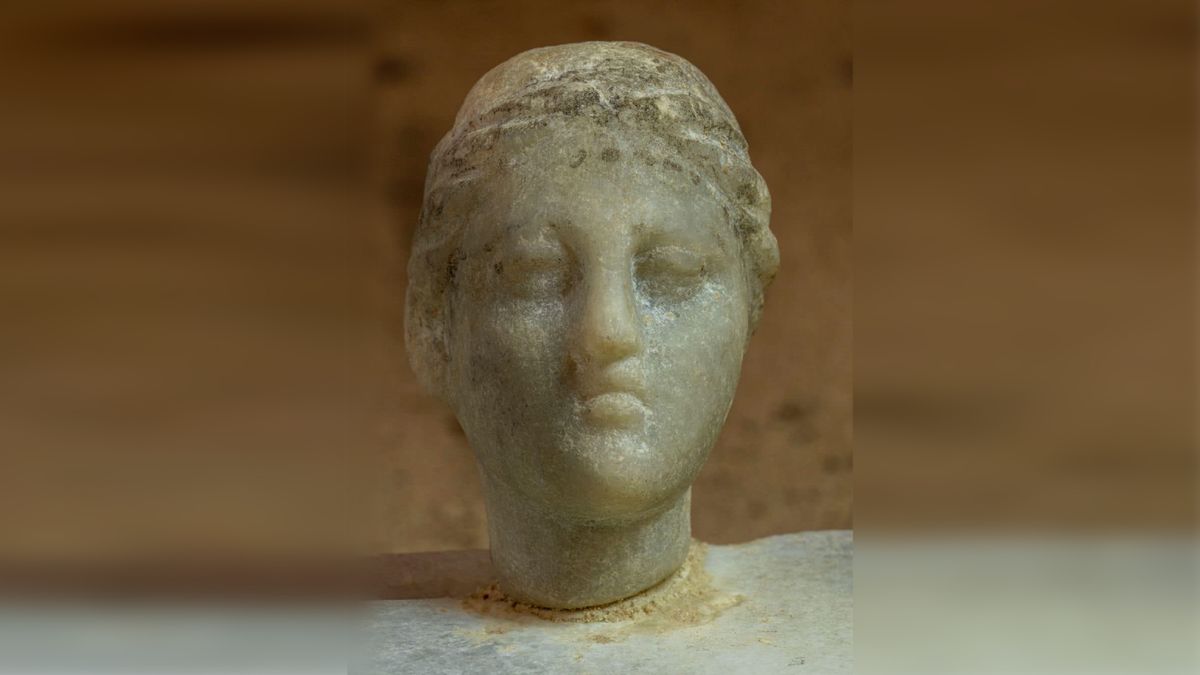
Archaeologist Kathleen Martinez, after nearly 20 years of searching, has discovered a marble statue at Taposiris Magna near Alexandria, believed to depict the "true face" of Cleopatra. The statue, found among other artifacts like coins and a scarab amulet, has sparked debate among experts due to its differing features from known depictions of Cleopatra. The site is thought to be the final resting place of Cleopatra and Mark Antony, with ongoing excavations aiming to uncover their tomb.
A small marble bust found at the ancient Egyptian site of Taposiris Magna may depict Cleopatra VII, according to archaeologist Kathleen Martinez, though other experts, including Zahi Hawass, dispute this, suggesting it represents a Roman figure. The site has yielded numerous artifacts, including coins depicting Cleopatra, and is believed by some to potentially house her tomb, though this theory lacks widespread support.
Historical mysteries have puzzled researchers for centuries, from the disappearance of Cleopatra's tomb to the enigma of the Mary Celeste ship. Other mysteries include the missing rock layers in the Grand Canyon, the Salish Sea feet phenomenon, the colossal Olmec heads, the fate of explorers like Roald Amundsen and D.B. Cooper, the vanishing lighthouse keepers of Flannan Isle, the legend of King Arthur, and the lost colony of Roanoke.
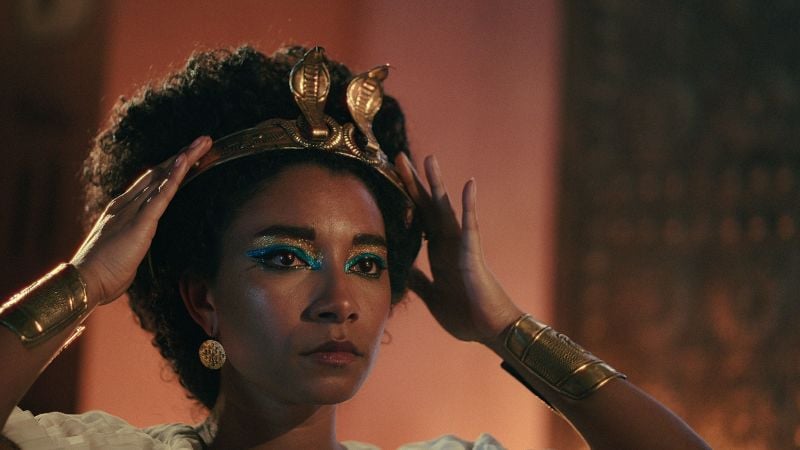
Netflix's new docudrama series "Queen Cleopatra" has been criticized for its ahistorical depiction of the famed Egyptian monarch as dark-skinned. The series is presented as a docudrama, with interviews from purported scholars and historians who promote the idea that the last monarch of ancient Egypt was indeed black. One such classicist Netflix relied on is Shelley Haley, a professor at Hamilton College who specializes in viewing classics through the lens of black feminism and critical race theory. Her approach to defining Cleopatra as black slots into a broader agenda and was the subject of a New York Times piece titled "Fear of a Black Cleopatra."
Actress Adele James, who stars as Cleopatra in the Netflix docuseries "Queen Cleopatra," addressed the colorism controversy surrounding her casting in a recent podcast appearance. Egyptian officials have criticized the biracial actress's portrayal of the ruler of Egypt's Ptolemaic Kingdom. James dismissed the criticism, saying "blackwashing isn't a thing" and that people who feel threatened by Blackness are "self-loathing." The series is part of Jada Pinkett Smith's "African Queens" franchise and intentionally depicts Cleopatra as of mixed ethnicity to reflect theories about her possible Egyptian ancestry and the multicultural nature of Ancient Egypt.