Tag

Lifestyle Changes

All articles tagged with #lifestyle changes

Mild Stage 1 Hypertension in Older Adults May Be Managed With Lifestyle First
health25 days ago

Mild Stage 1 Hypertension in Older Adults May Be Managed With Lifestyle First

A new analysis of recent hypertension guidelines suggests some older adults (mostly women in their mid-to-late 60s) with Stage 1 hypertension (130–139/80–89) who have low cardiovascular risk can safely delay medications and focus on lifestyle changes and ongoing monitoring. About 11% of Stage 1 patients could avoid meds if their PREVENT risk score is low; medications are reserved for those with clearer expected benefits. Those with 120–129/80–89 should prioritize weight loss, exercise, a fruits/vegetables–rich diet, sodium reduction, and limited alcohol to reduce future need for drugs.

Three Weeks to Lower Blood Pressure: The DASH Diet Gives Your Heart a Break
health1 month ago

Three Weeks to Lower Blood Pressure: The DASH Diet Gives Your Heart a Break

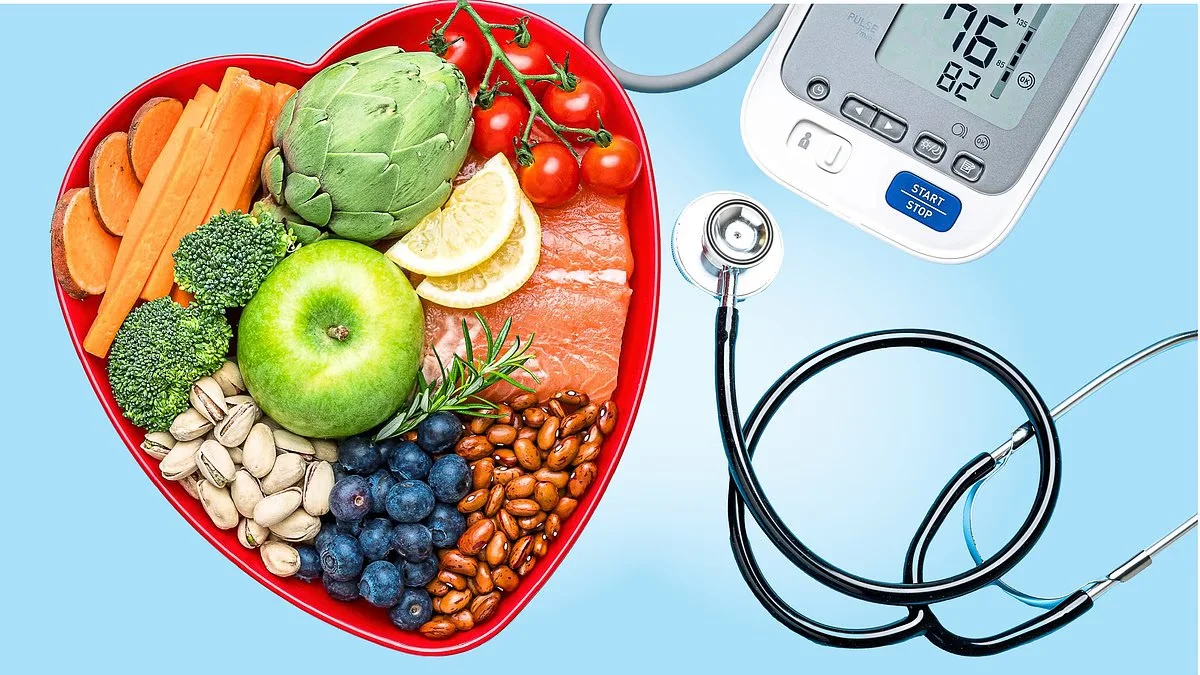
A Daily Mail health piece explains that the DASH diet (Dietary Approaches to Stop Hypertension) can lower blood pressure in under three weeks by focusing on low salt, low fat and low sugar while boosting potassium, magnesium, calcium and fiber. The plan emphasizes daily servings from fruits/vegetables, whole grains, lean proteins, low-fat dairy and legumes, and limits salt to about 6g/day and alcohol to under 14 units/week. Studies cited show a typical reduction of about 5.2 points systolic and 2.6 diastolic in the first two–three weeks, potentially reducing cardiovascular risk and medication needs, though lifestyle changes are the recommended first step before drugs. The article also includes practical meal ideas and a patient example (Prof Tim Spector) who improved his BP through dietary changes.

Home monitoring and personalized care: NICE updates high blood pressure guidelines
health1 month ago

Home monitoring and personalized care: NICE updates high blood pressure guidelines

NICE has updated guidance on diagnosing and treating high blood pressure, prioritizing home BP monitoring and individualized treatment. If the average of home readings is under 135/85 mmHg, you may not need treatment for several months; higher readings call for lifestyle changes (weight loss, more exercise, reduced salt and alcohol, stop smoking) and, if needed, medication. First-line drugs usually include ACE inhibitors/ARBs, calcium-channel blockers, or diuretics, with choice guided by age and ethnicity (CCB for those over 55 or Black individuals; ACEi/ARB for those under 55 or with diabetes). The target is a home BP under 135/85 (rising to under 145/85 for those over 80), along with follow-up investigations and ensured adherence.

What the Evidence Reveals About Statins and Health Concerns
health3 months ago

What the Evidence Reveals About Statins and Health Concerns

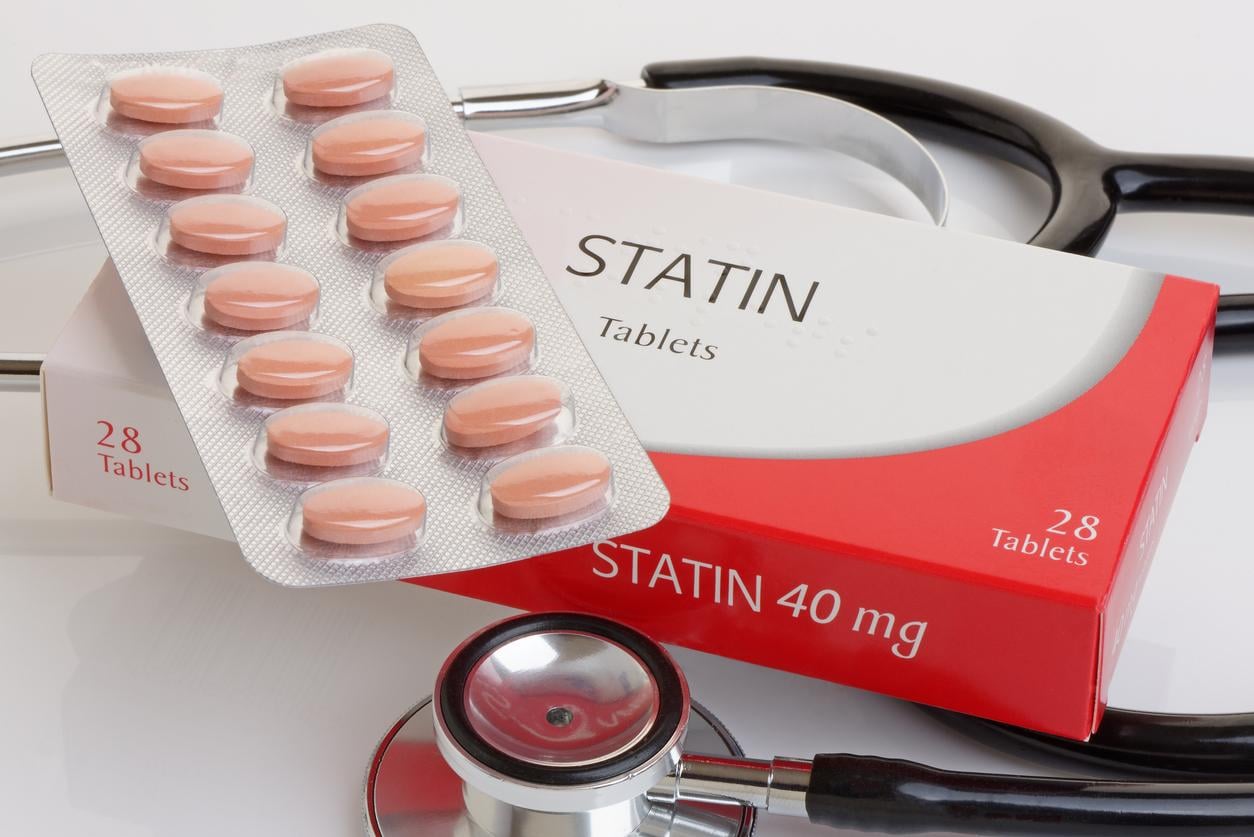
Statins are effective in reducing heart attack and stroke risk by lowering LDL cholesterol, with large clinical trials supporting their use, especially for high-risk individuals. While they have potential side effects like muscle issues and interactions with other drugs, most people tolerate them well. Lifestyle modifications such as diet and exercise are also crucial for managing cholesterol and cardiovascular risk, and treatment should be personalized based on individual risk factors and lifestyle.

Risks for People Discontinuing GLP-1s
health3 months ago

Risks for People Discontinuing GLP-1s

Many individuals using GLP-1 drugs like Ozempic struggle to stop using them due to intense hunger and weight regain, suggesting a potential lifelong dependency. While some can maintain weight loss through lifestyle changes, others face significant challenges in discontinuing the medication, raising concerns about addiction and the need for ongoing treatment for obesity.

Risks of Discontinuing GLP-1s Revealed
health3 months ago

Risks of Discontinuing GLP-1s Revealed

Many users of GLP-1 drugs like Ozempic struggle to stop using them due to intense hunger and weight regain, suggesting a potential lifelong dependency. While some, like Ellen Ogley, maintain weight loss through lifestyle changes, others experience significant weight regain, highlighting the importance of healthy habits during treatment. Experts recommend developing an exit strategy that includes lifestyle modifications to sustain weight loss after discontinuing the medication.

Dr. Rangan Chatterjee Advocates for Prescription-Free Living
health-and-wellness3 months ago

Dr. Rangan Chatterjee Advocates for Prescription-Free Living

Dr. Rangan Chatterjee advocates for reducing reliance on prescription drugs by emphasizing lifestyle changes such as diet, exercise, stress management, and psychological therapies to address conditions like depression, chronic pain, and diabetes, arguing that many illnesses are driven by modern lifestyles and can be managed or reversed without medication.

Top Nutrition Tips and Hacks for a Healthier 2026
health3 months ago

Top Nutrition Tips and Hacks for a Healthier 2026

Dr. Jeremy London, a heart surgeon with 25 years of experience, shares four unconventional strategies to improve eating habits in 2026: reorganize your environment to make healthy foods more accessible, prepare meals in advance to reduce impulsive choices, reward yourself for small wins to stay motivated, and share progress with others for accountability. These small, intentional changes aim to create sustainable, healthier eating habits without drastic restrictions.

What the Evidence Reveals About Statins and Health Concerns
health3 months ago

What the Evidence Reveals About Statins and Health Concerns

Statins are effective in reducing heart attack and stroke risk by lowering LDL cholesterol, with large clinical trials supporting their use, especially for high-risk individuals. While they have some side effects and drug interactions, most people tolerate them well. Lifestyle modifications like diet and exercise are also crucial and can sometimes delay or reduce the need for medication. Treatment should be personalized, balancing benefits and risks, with a focus on addressing broader lifestyle factors to combat heart disease.