A daughter grieving her father after a stroke seeks guidance on anger toward his wife; Dear Abby validates the anger as justified and advises therapy to work through the toxic family dynamics and focus on the daughter’s own healing as she mourns.
The article questions whether venting anger through rage-focused workouts or rage rooms helps, noting real-world classes like rage HIIT and feminine rage sessions. It cites Brad Bushman’s research showing that physically venting anger tends to increase it, and that the least angry participants were those who did nothing or sat quietly. The piece suggests catharsis is not an effective anger release and that calm, non-venting approaches may be better in managing anger.
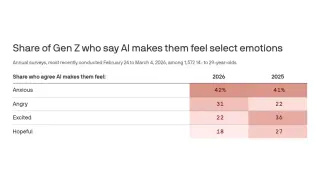
A Gallup-led survey of 14–29-year-olds shows Gen Z's feelings about AI cooling: excitement drops to 22% in 2026, hope to 18%, while anger rises to 31%, driven by concerns that AI could dim entry-level job prospects. Yet daily AI use remains steady, and many Gen Z respondents expect to need AI skills for college or work after high school, signaling cautious acceptance despite waning enthusiasm.
A meta-analysis of 154 studies (10,189 participants) finds venting anger does not reliably reduce anger and may even increase it; the key to taming anger is lowering physiological arousal through calming activities such as slow-flow yoga, mindfulness, diaphragmatic breathing, progressive muscle relaxation, or taking a timeout. Reflection on underlying causes and, when helpful, CBT can aid some, but arousal-reducing strategies generally beat venting—even vigorous exercise like jogging can backfire. The findings, published in Clinical Psychology Review, challenge the catharsis myth and support calming techniques as the best option.
A 2024 study from Ohio State University challenges the common belief that venting anger helps reduce it, finding instead that calming activities like yoga, mindfulness, and relaxation techniques are more effective in lowering physiological arousal and managing anger, while venting may actually increase it.
Experts and social media users express concern over rising anger and potential violence, describing it as a 'ticking time bomb' fueled by social media and societal issues, with fears that this anger could lead to harmful acts against others.
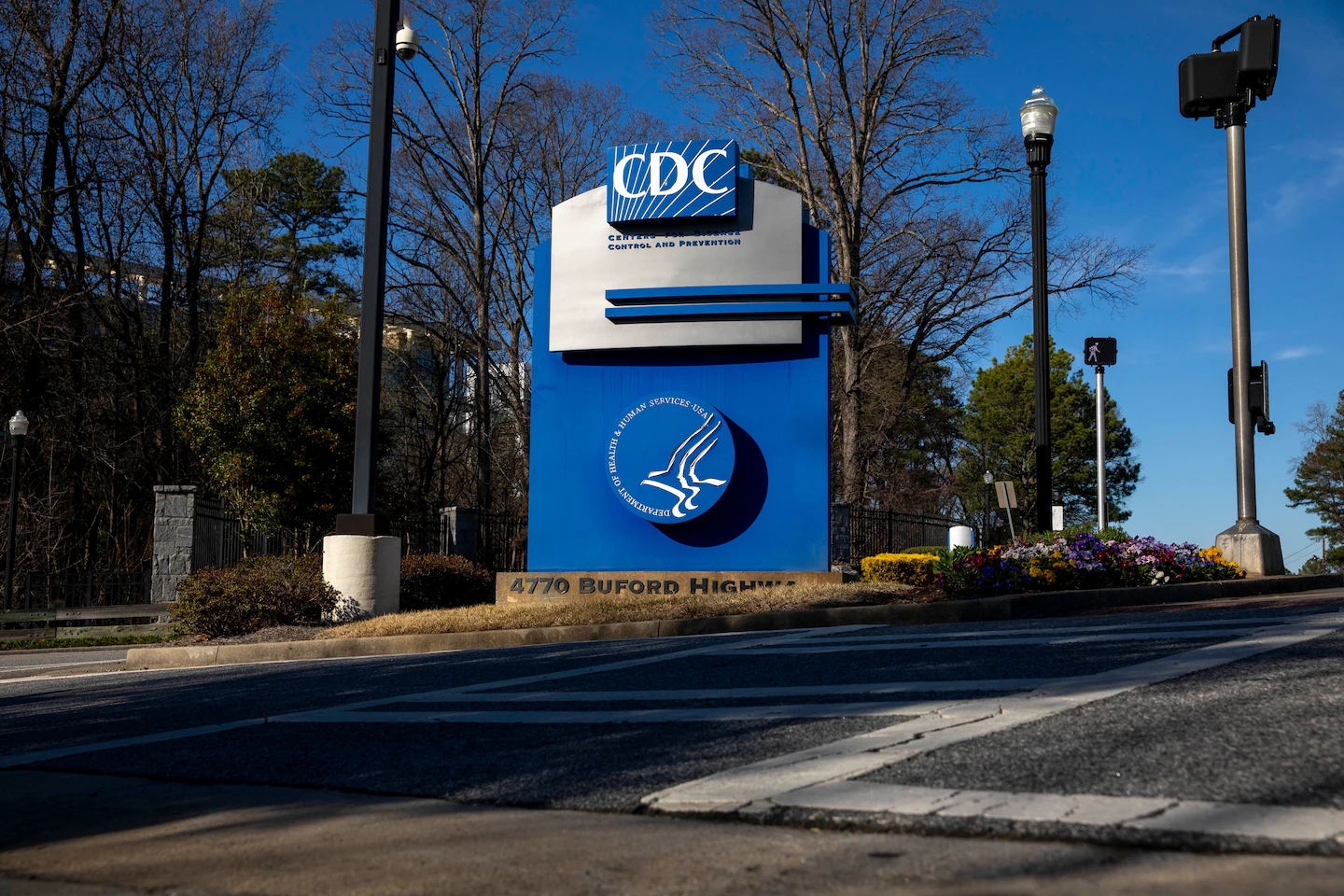
Following a shooting incident at the CDC, public anger has increased, coinciding with the loss of hundreds of jobs, highlighting ongoing tensions and concerns.
Anthony Hernandez won his UFC fight against Roman Dolidze with a rear-naked choke, driven by anger and a competitive spirit, but emphasized respect for his opponent and gratitude for his coaches. He plans to compete in Chicago next week, aiming for a title shot, regardless of the opponent.
A 2024 study from Ohio State University challenges the common belief that venting anger helps reduce it, finding that calming activities like yoga, mindfulness, and relaxation techniques are more effective in lowering physiological arousal and managing anger, while venting and arousal-increasing activities may actually worsen anger.
A study found that women experience increased feelings of anger as they age, particularly around menopause, but they tend to express less of it, indicating improved emotional regulation with age. The research suggests that understanding and managing mood changes during midlife can significantly impact women's health and quality of life.
A study of Italian young adults suggests that parental overprotection may increase anxiety, reducing life satisfaction, while better parental care can improve anger control and enhance life satisfaction, with anxiety and anger acting as mediators in these relationships.
Justin Bieber publicly cut off a friend after a heated exchange on social media, expressing frustration over perceived disrespect and emphasizing his need for respect and boundaries amid ongoing personal struggles.
The article discusses the impact of Donald Trump's presidency on America, highlighting how he became a conduit for the anger of millions. It touches on various perspectives, including the need for Democrats to reflect on their platform, which is seen as elitist and inaccessible, and the potential for criminal investigations in a second Trump administration. The piece also notes the importance of accepting election results and the economic focus of voters.
A study published in the Journal of the American Heart Association reveals that recalling a time when you were angry can impair blood vessel function, potentially increasing the risk of heart attack and stroke. The research found that anger, unlike anxiety or sadness, significantly affects blood vessel dilation for up to 40 minutes after the emotional recall. The study highlights the importance of anger management to mitigate cardiovascular risks.
A study published in the Journal of the American Heart Association reveals that recalling a past anger-inducing event can impair blood vessel function, potentially increasing the risk of heart attack and stroke. The research, involving 280 participants, found that anger specifically affected blood vessel dilation for up to 40 minutes, unlike anxiety or sadness. The findings suggest that anger management interventions could help reduce heart disease risk.