Antihistamines for PMDD and Menopause: Promising or Not Yet Proven
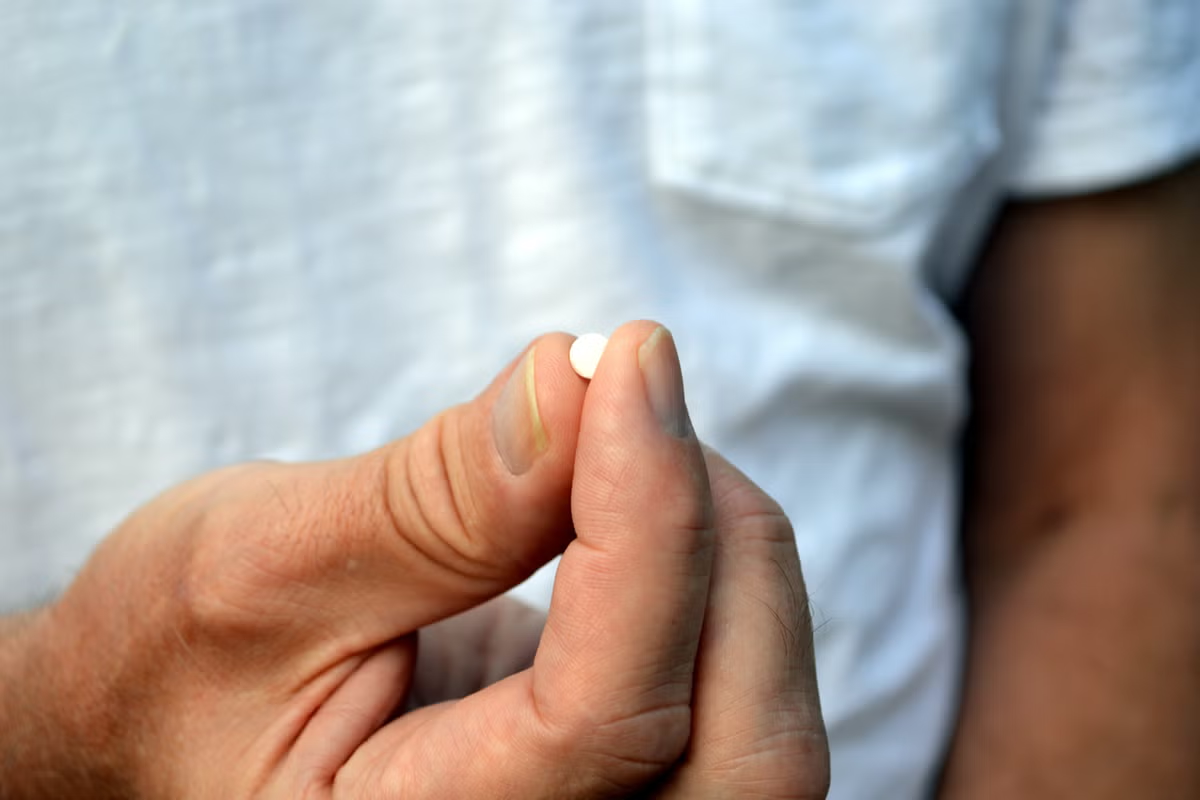
Online chatter has highlighted a combo of over-the-counter antihistamines (Allegra) and Pepcid for PMDD and menopausal symptoms, but experts say there isn’t solid evidence that histamine drives these conditions or that blocking it reliably helps. Some individuals might see indirect benefits (e.g., better sleep), while risks like drowsiness and potential nutrient absorption issues exist. Other proven options—SSRIs for PMDD, hormone or non-hormonal therapies for menopause, and lifestyle or behavioral approaches—are usually preferred. More research is needed, and any trial should be discussed with a clinician.