A new study reveals that over 1.1 million Americans were prescribed GLP-1 drugs like Ozempic without an FDA-approved condition between 2021 and 2025. While usage is rising rapidly, the risk-benefit profile for these patients remains unclear, and access is skewed toward wealthier, white women.
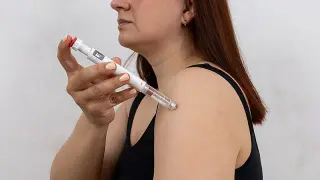
A new study reveals that off-label prescriptions for GLP-1 receptor agonists have increased 15-fold in the US since 2021, reaching over 1.1 million adults without a documented diagnosis of diabetes or qualifying obesity. While these drugs are increasingly used for weight management, the user base is disproportionately female, White, and privately insured, with a six-fold higher likelihood of having a history of eating disorders.
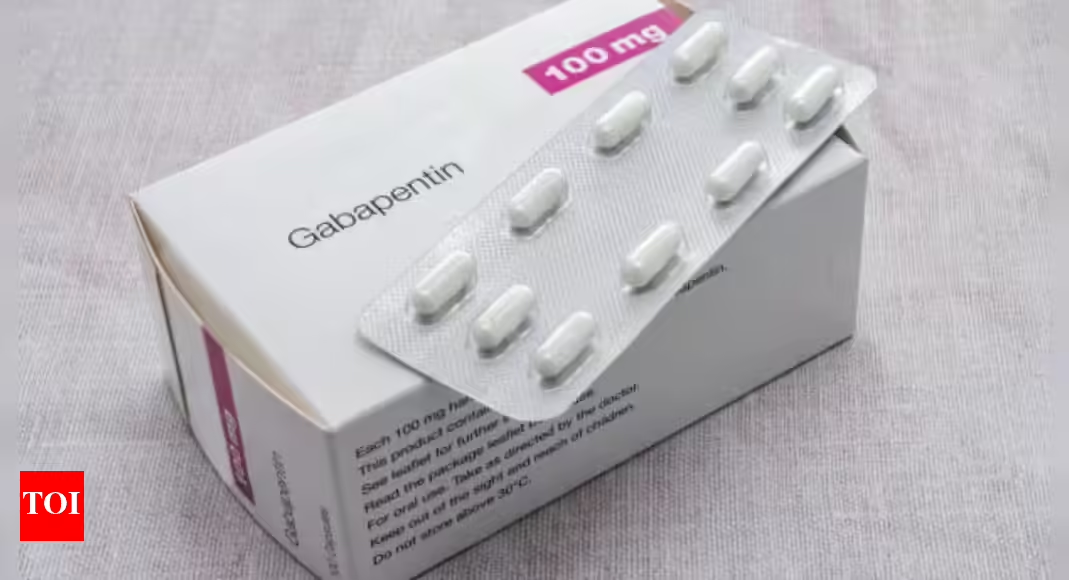
A Dr. Roach column notes gabapentin is FDA-approved for seizures and postherpetic neuralgia but is widely used off-label, with moderate effectiveness for neuropathic pain and notable neurological/psychiatric side effects (emotional lability, aggression, concentration problems, memory issues, and even dementia risk with long-term use), so benefits must be weighed against risks and patients should be closely monitored. The piece also cites evidence favoring plant-based diets for chronic kidney disease, arguing potassium concerns are often overstated due to lower potassium absorption, and endorsing a shift toward more plant-based protein for better outcomes.
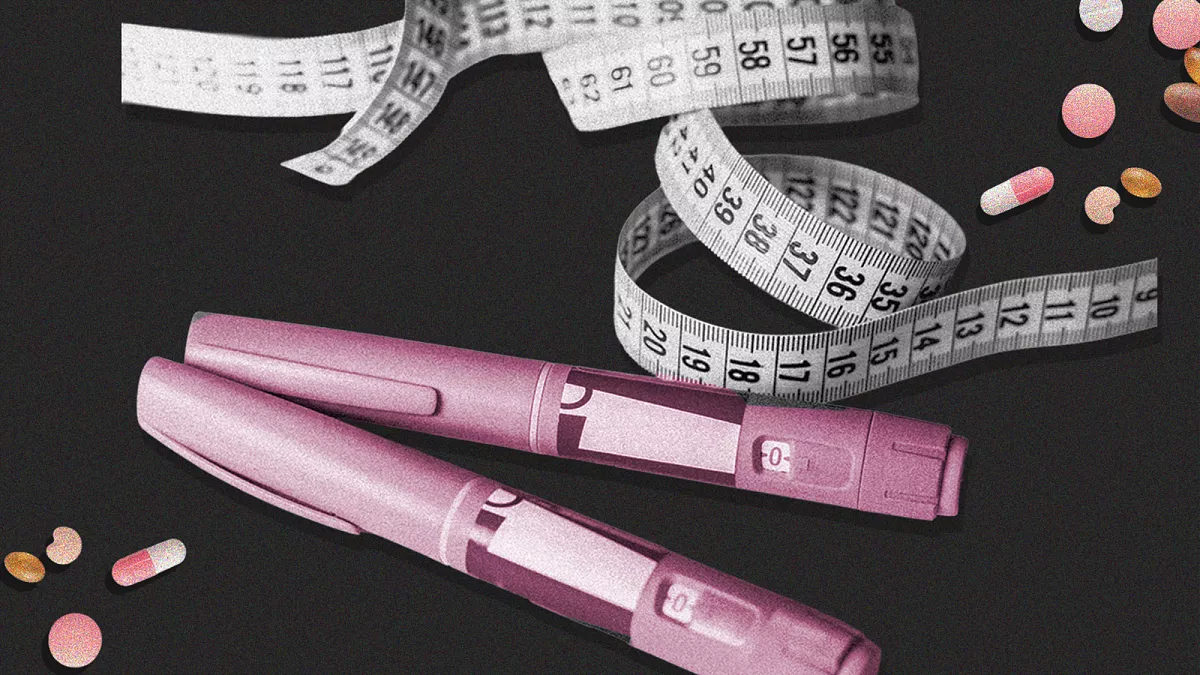
GLP-1 weight-loss drugs show benefits beyond shedding pounds, including reduced inflammation, potential arthritis relief, and cardiovascular improvements, and may even curb alcohol cravings. However, they carry risks such as vitamin deficiencies, loss of eating enjoyment (hedonia), reduced appetite for food, and muscle/bone loss during weight loss, especially in frail patients. Off-label use in people who are not overweight poses safety concerns. A new triple-agonist drug, retatrutide, may deliver 25–30% weight loss—similar to bariatric surgery—but brings more side effects and is in Phase 3 trials, with potential approval in the coming years. Long-term success depends on continued use with diet/exercise; stopping reverses effects and weight tends to rebound.
During Lindsay Clancy’s murder trial, testimony spotlighted Seroquel, prescribed off-label to treat insomnia and later mood symptoms, prompting questions about safety, sleepwalking risks, and the broader practice of using powerful antipsychotics for sleep. Experts cautioned that sleep with such meds isn’t restorative and highlighted potential adverse effects, while the defense and prosecutors scrutinized whether prescribed drugs influenced her mental state as she had discontinued Seroquel weeks before the killings.
An increasing number of women with PCOS/PMOS are using off-label GLP-1 drugs like Ozempic to address insulin resistance and metabolic symptoms, with many reporting improved cycles and weight loss; some studies also show higher pregnancy rates when GLP-1s are added to metformin. Yet there is no FDA-approved PMOS indication, insurance coverage is inconsistent and costly, and long-term durability of benefit and optimal treatment duration remain under study; guidelines still emphasize lifestyle changes and metformin as first-line therapy, while patient experiences and online communities highlight a gap between care and what patients are seeking.
Some people with eating disorders are using GLP-1 receptor agonists to suppress appetite, prompting alarm from doctors who warn of safety risks and potential to mask underlying conditions; experts call for careful screening and caution around off-label use.
Some women report that a daily mix of over-the-counter antihistamines (like Allegra or Zyrtec) and Pepcid AC eases perimenopause and PMDD symptoms, with improvements in brain fog, sleep, and mood. Medical experts say the idea is biologically plausible given histamine and mast-cell involvement during hormonal changes, but there are no robust clinical trials validating this off-label use. Experiences vary, and concerns include potential nutrient absorption issues and weight effects from Pepcid and antihistamines. More research and clinician guidance are needed.
Gabapentin, a widely prescribed medication originally for seizures and nerve pain, has seen a significant rise in use, often prescribed off-label, raising concerns about its safety profile, including side effects, serious allergic reactions, breathing issues, and potential for misuse and mental health impacts. Patients and doctors should be aware of these hidden dangers and monitor for adverse symptoms.
Parents are increasingly turning to controversial ketamine therapy for their teens with severe mental health issues, despite limited research and potential risks, as a last resort after traditional treatments fail.
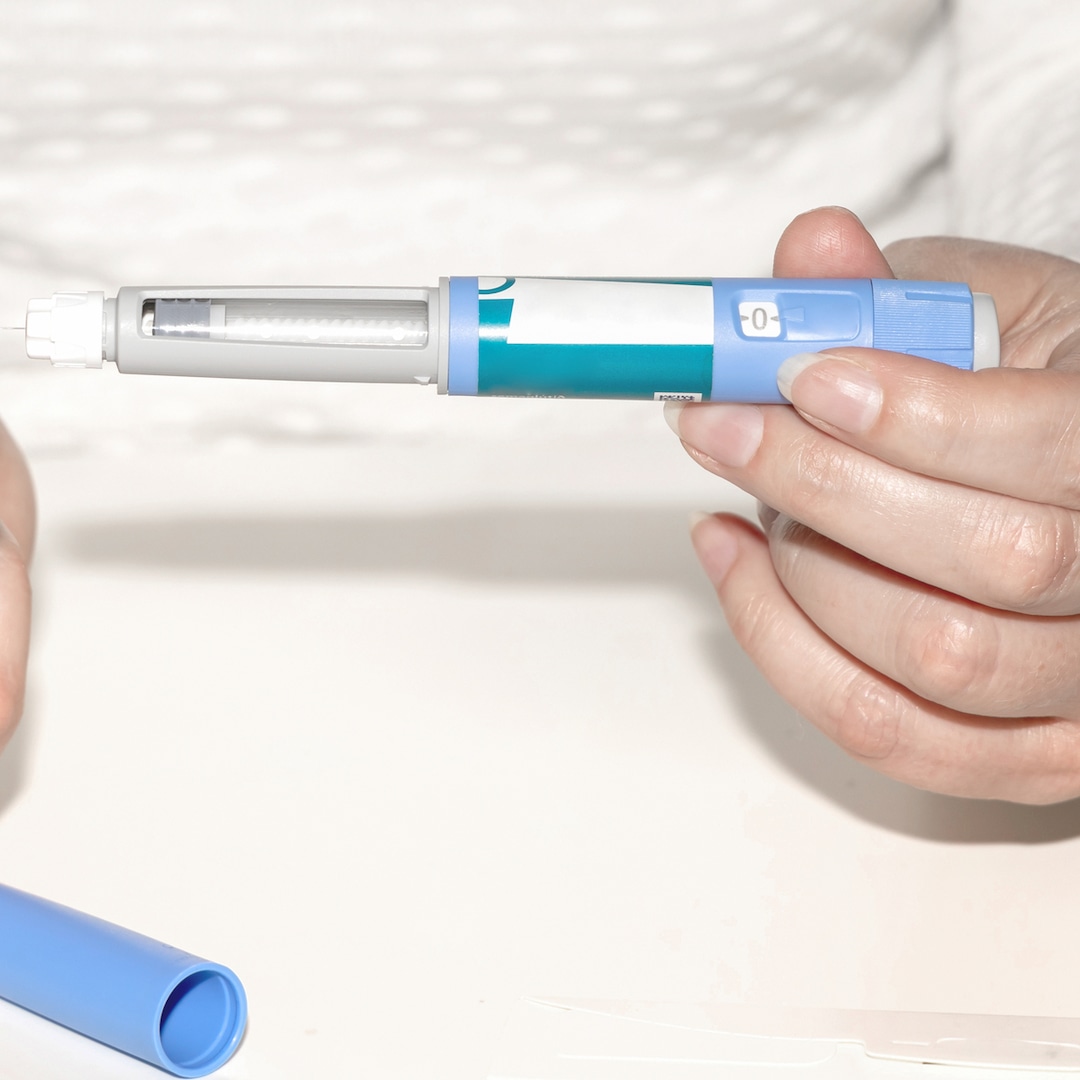
GLP-1 drugs, initially approved for obesity and diabetes, show potential for treating a wide range of health conditions, but their high costs, limited FDA approval for uses beyond current indications, and significant side effects raise concerns. Ongoing research and development aim to expand their applications, possibly in pill form, but more safety data and regulatory approval are needed before they can be widely used for other health issues.
Some doctors suggest that nicotine patches, traditionally used for smoking cessation, may be a safe and effective off-label treatment to improve focus and cognitive function, especially for conditions like brain fog, ADHD, and age-related memory issues, though protocols are not yet FDA-approved.
In New Jersey, ketamine, a drug traditionally used as an anesthetic and party drug, is legally prescribed for treatment-resistant depression and other psychiatric conditions, with clinics offering innovative, spa-like treatment sessions that many patients find life-changing, despite concerns over safety and addiction risks.
The off-label use of GLP-1 drugs like Ozempic and Mounjaro for weight loss is rapidly expanding across Europe, driven by social media hype, private demand, and regulatory gaps, leading to a booming black market and raising public health concerns, with countries experiencing significant increases in spending and usage despite limited reimbursement and strict regulations.
An Australian woman, Trish Webster, died after taking Ozempic, an anti-diabetic drug known for inducing weight loss, in an attempt to slim down for her daughter's wedding. Despite not having diabetes, Trish obtained a prescription for the drug after learning about its weight loss side effects. She experienced severe nausea, vomiting, and diarrhea while taking the drug and eventually died from acute gastrointestinal illness. Ozempic, approved for type 2 diabetes treatment, is increasingly being prescribed off-label for weight loss. The manufacturer, Novo Nordisk, emphasizes that the drug is not indicated for chronic weight management and patient safety is a top priority. Celebrities like Sharon Osbourne and Amy Schumer have openly discussed their use of Ozempic for weight loss, while others like Sophie Turner and Chelsea Handler have criticized the drug's advertisements.