New data from the International AIDS Conference in Rio de Janeiro highlights the potential of once-weekly oral antiretroviral therapy (ART) to improve adherence and reduce stigma. While trials show comparable viral suppression to daily dosing, experts emphasize that stigma persists and long-term safety data is still being gathered.
An international clinical trial confirms that a once-weekly oral antiretroviral therapy (ART) regimen is as effective as daily medication for suppressing HIV. The study, involving 607 participants across 12 countries, found that the combination of islatravir and lenacapavir maintained viral suppression rates comparable to standard daily treatments. While this offers a significant alternative to daily pills and semi-annual injections, experts note that stigma remains a major barrier for people living with HIV.
A new oral HIV drug, VH-499, demonstrated potent antiviral activity and a favorable safety profile in a phase 2a trial involving 23 adults. The drug, developed by ViiV Healthcare, works by inhibiting the viral capsid and avoids interfering with the CYP3A4 enzyme, potentially offering advantages for patients with complex medication regimens compared to existing long-acting therapies like lenacapavir.
Despite decades of awareness campaigns, widespread myths about HIV transmission continue to delay diagnoses and fuel stigma. Experts emphasize that the virus spreads only through specific bodily fluids, not casual contact, and that modern treatments can render the virus untransmittable.
Jamaica AIDS Support for Life (JASL) is advocating for the introduction of injectable HIV treatments to improve medication adherence among vulnerable communities. Currently, the Ministry of Health provides free daily antiretroviral pills, but adherence is challenging due to various barriers. Injectable treatments, already used in the U.S., could offer an alternative, though they are more costly. Jamaica's National Strategic Policy aims for significant HIV treatment goals by 2025, but the country is not yet on track. JASL emphasizes the importance of addressing adherence barriers and offers support programs.
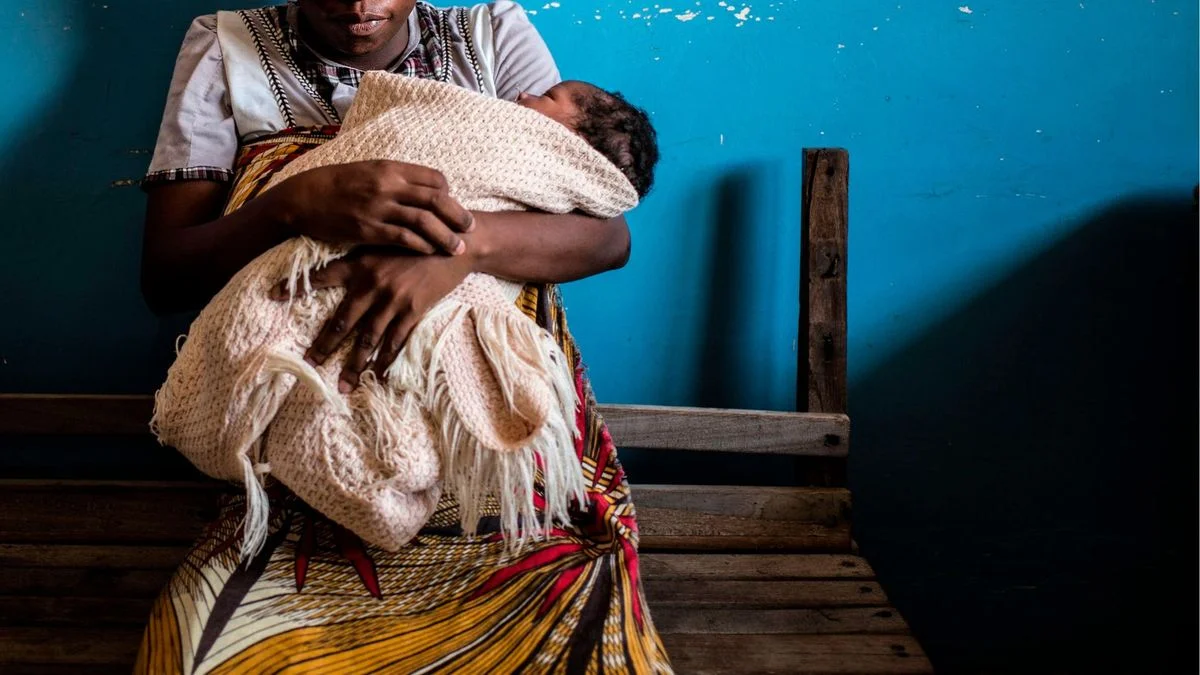
The American Academy of Pediatrics has reversed its decades-old policy, now allowing people with HIV to breastfeed if they are on medications that suppress the virus. This change acknowledges that antiretroviral drugs can reduce the risk of HIV transmission via breast milk to less than 1%, emphasizing the importance of shared decision-making between healthcare providers and patients.
A straight woman shares her experience of being diagnosed with HIV, initially believing she was immune due to misconceptions. After the diagnosis, she struggled with depression and stigma but found support through a charity and mentor. With medication, her status became undetectable, and she learned to live a normal life with HIV. She faced challenges in dating but eventually found a partner and had a son, emphasizing the importance of knowing one's HIV status and the advancements in medicine to prevent transmission.
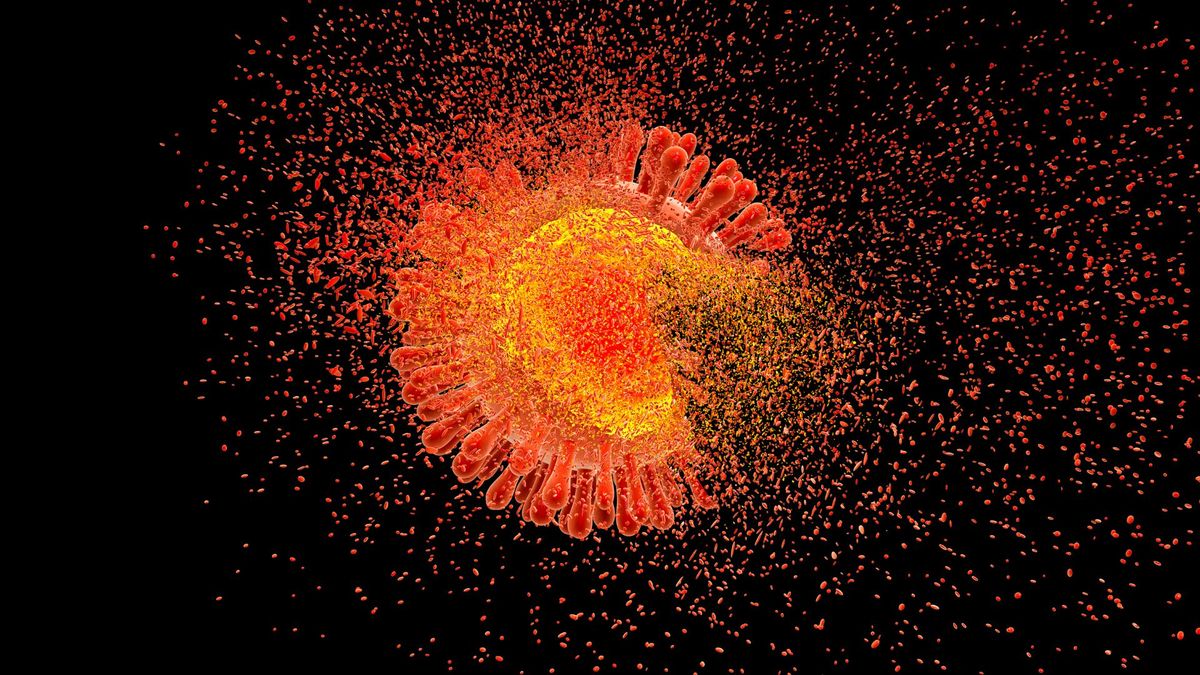
Scientists have made a significant breakthrough in the search for an HIV cure by using "genetic scissors" to eliminate the virus from infected cells in the laboratory. This technique could potentially lead to a treatment that eliminates the need for lifelong antiviral medication. While the findings are promising, it is still premature to declare a functional HIV cure on the horizon, and significant work is needed to turn this proof of concept into a viable treatment. Other research has also shown promise in reversing HIV's ability to escape detection by the immune system.
Researchers have identified new drug candidates that could help the immune system detect HIV-infected cells by targeting the protein Nef, which allows the cells to evade detection. These drug candidates, called PROTACs, could potentially unmask the reservoir of dormant HIV-infected cells that current antiretroviral therapy cannot clear. While the discovery has generated excitement, further research and preclinical testing in animal models are needed before potential clinical trials can be pursued.
Four children born with HIV were able to live virus-free for more than a year after their HIV medication was paused, offering hope for achieving long-term remission among children born with HIV. The study, funded by the National Institutes of Health, explored the effects of early intensive antiretroviral therapy on achieving HIV remission in babies who acquired the virus before birth. While the virus eventually returned in all children, the fact that some of them had no detectable HIV for more than one year without medication suggests the possibility of treating children for a short period of time during childhood, rather than requiring lifelong treatment.
The World Health Organization's latest HIV Drug Resistance Report highlights both positive and concerning trends in HIV treatment. While dolutegravir-containing therapy has shown high levels of viral load suppression, there is an increase in HIV drug resistance to dolutegravir, exceeding levels observed in clinical trials. The report emphasizes the need for standardized surveillance of HIV drug resistance and recommends actions to optimize the quality of HIV care delivery, including routine monitoring of quality-of-care indicators and addressing suboptimal performance. Additionally, cases of resistance to integrase-strand transfer inhibitors after exposure to cabotegravir have been documented, underscoring the importance of surveillance in the rollout of new HIV prevention options.
Children under the age of 5 with HIV are dying at high rates due to critical gaps in treatment and weakened immune systems. Many children in low-resource settings suffer from other conditions such as pneumonia and malnutrition, which compound their risk of death with HIV. These death and treatment-interruption rates are likely underreported due to inconsistencies in data tracking. Efforts must be made to prioritize children's HIV services, improve early diagnosis, and ensure consistent antiretroviral therapy to prevent unnecessary deaths.
Countries are working together through a United Nations program to end the AIDS epidemic by 2030. While new HIV infections have been decreasing, the number of people living with HIV continues to grow. The goal is to reduce the rate of new infections and AIDS-related deaths to below the reproductive rate of 1, meaning each person living with HIV would infect fewer than one additional person in their lifetime. By scaling up the number of people being regularly treated, tested, and protected from new HIV infections, experts believe we could see a significant reduction in new infections and deaths by 2030, even without a vaccine or cure. However, there are challenges in reaching vulnerable populations, improving access to treatment and prevention, and addressing cost barriers. The quest for an HIV vaccine and cure remains important for the future.
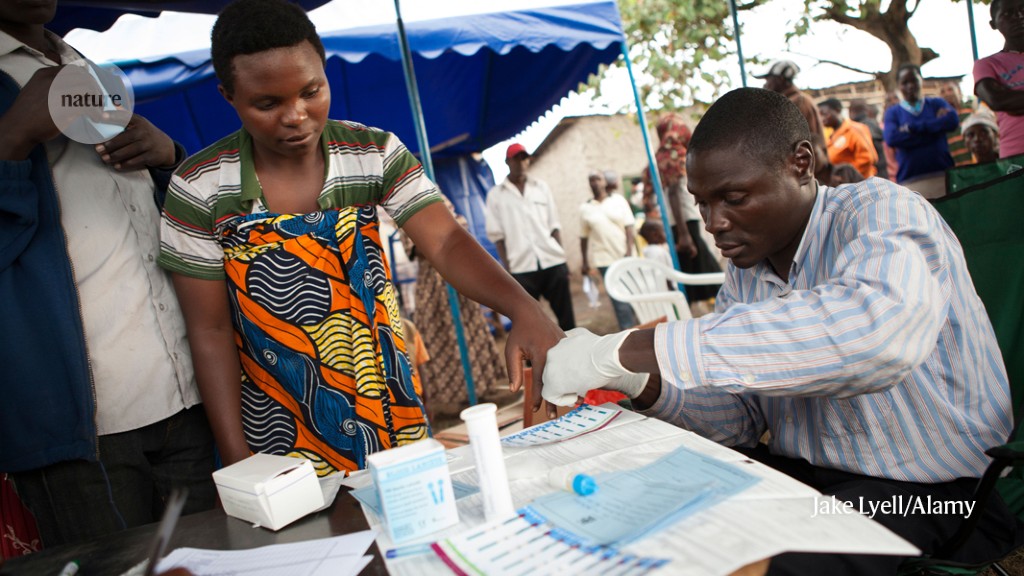
The world has made significant progress in combating HIV/AIDS, with 5.5 million children born free of the disease since landmark studies in the late 1990s. To end the pandemic by 2030, countries must achieve the '95-95-95' targets: 95% of people living with HIV should know their status, 95% should be on antiretroviral therapy, and 95% should have an undetectable viral load. While systems-level changes have been crucial, behavioral science approaches are needed to reach populations most in need. Efforts should prioritize young people, girls and women, sex workers, and the LGBT+ community. Empowering individuals and communities, reducing stigma, and leveraging social networks are key strategies. Investing in innovative strategies that meet individual needs will not only end the HIV/AIDS pandemic but also strengthen global health systems for future challenges.
Three patients in the US have been injected with a new CRISPR therapy that shows promise in curing HIV. The therapy uses gene-editing technology to excise sections of the virus' DNA, rendering it inactive. While the trial is still in early stages and efficacy data is expected next year, the treatment has been proven safe so far. CRISPR technology offers a targeted approach to eliminating HIV, which has been challenging due to the virus's ability to hide in immune cells. If successful, this therapy could provide a potential cure for the millions of people living with HIV worldwide.