Tag

Archaeopteryx

All articles tagged with #archaeopteryx

Tiny Archaeopteryx with preserved soft tissue reshapes view of bird flight origins
science17 days ago

Tiny Archaeopteryx with preserved soft tissue reshapes view of bird flight origins

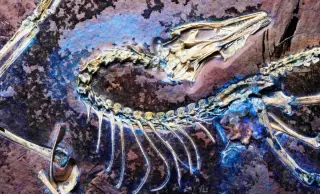
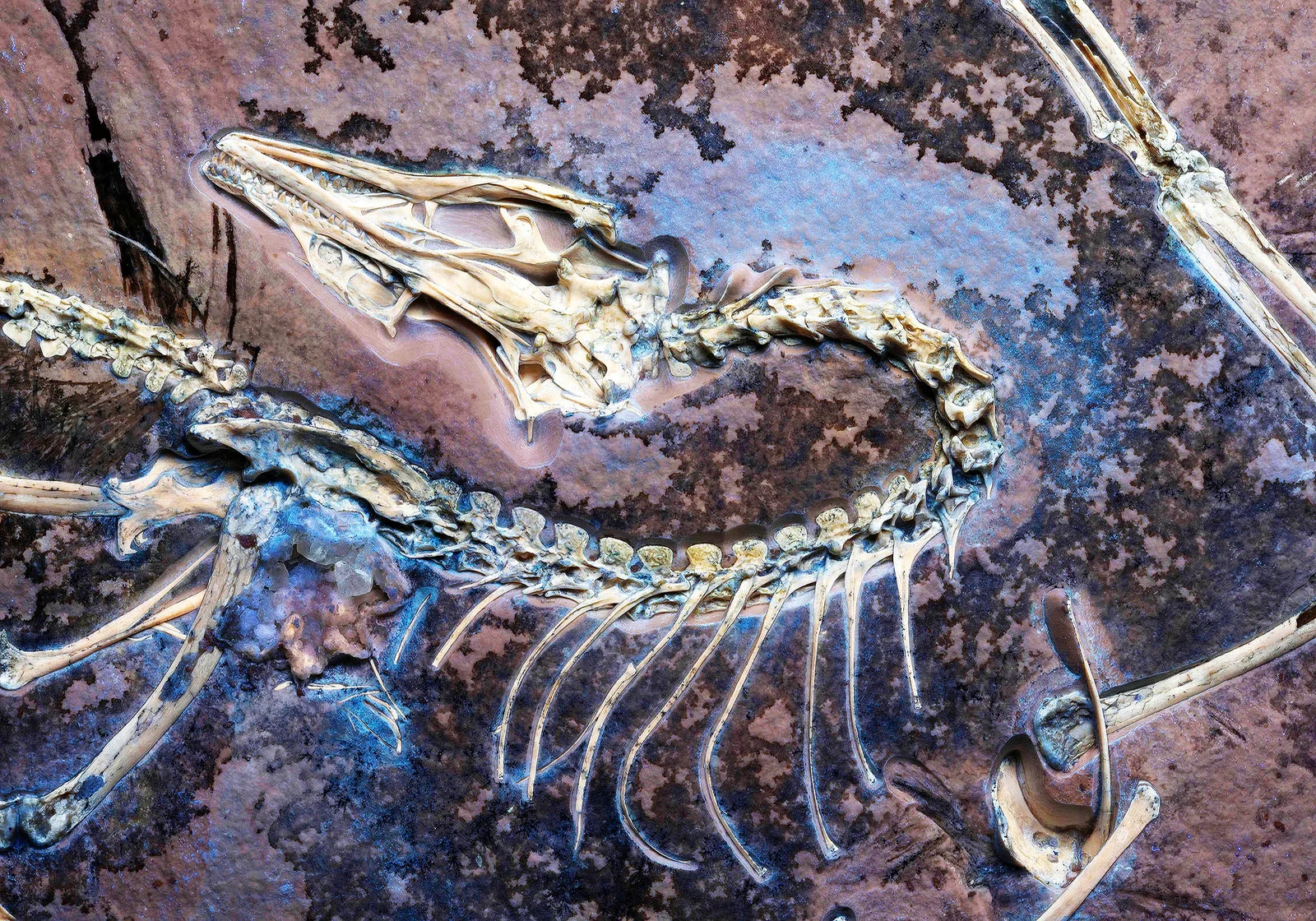
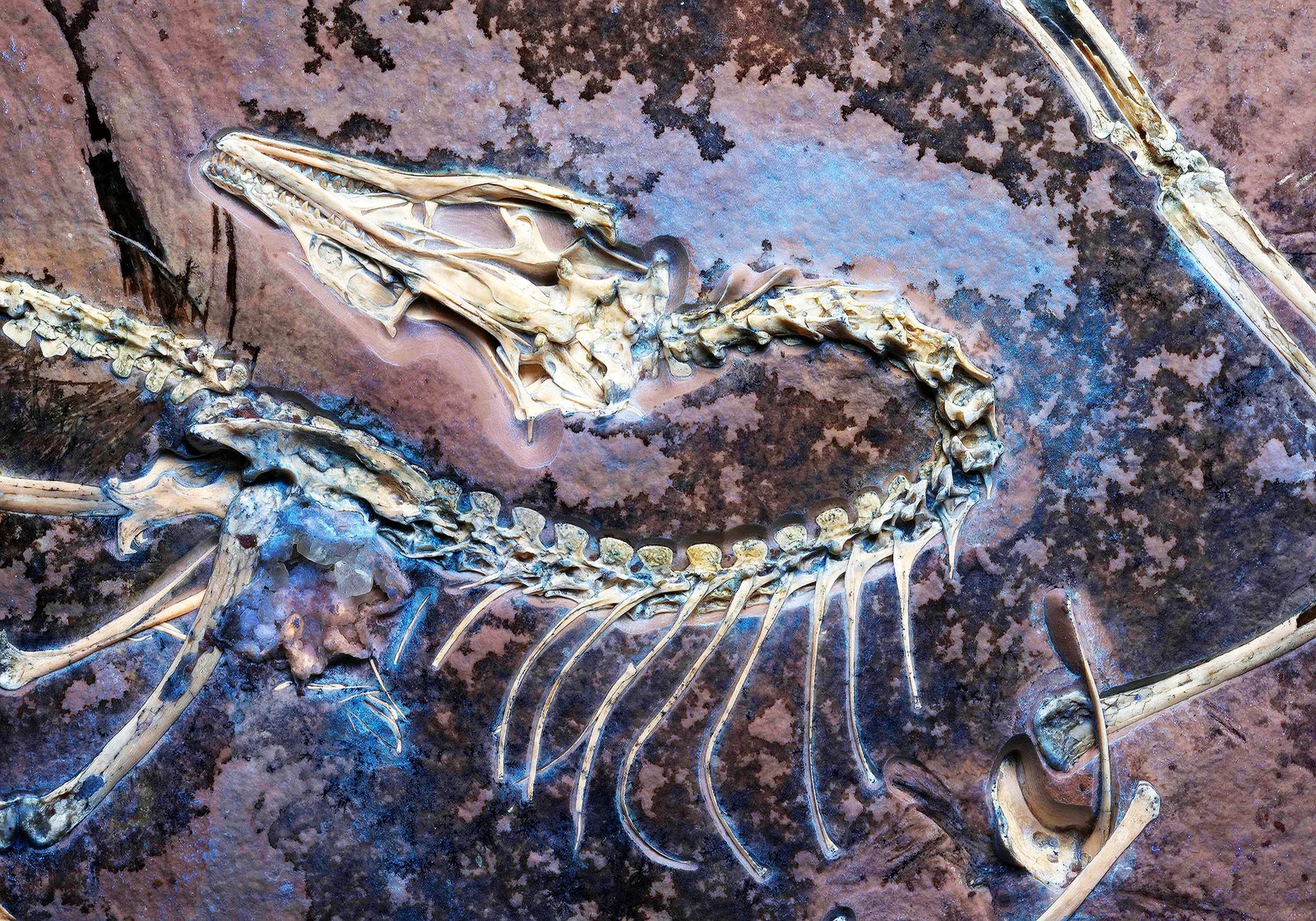
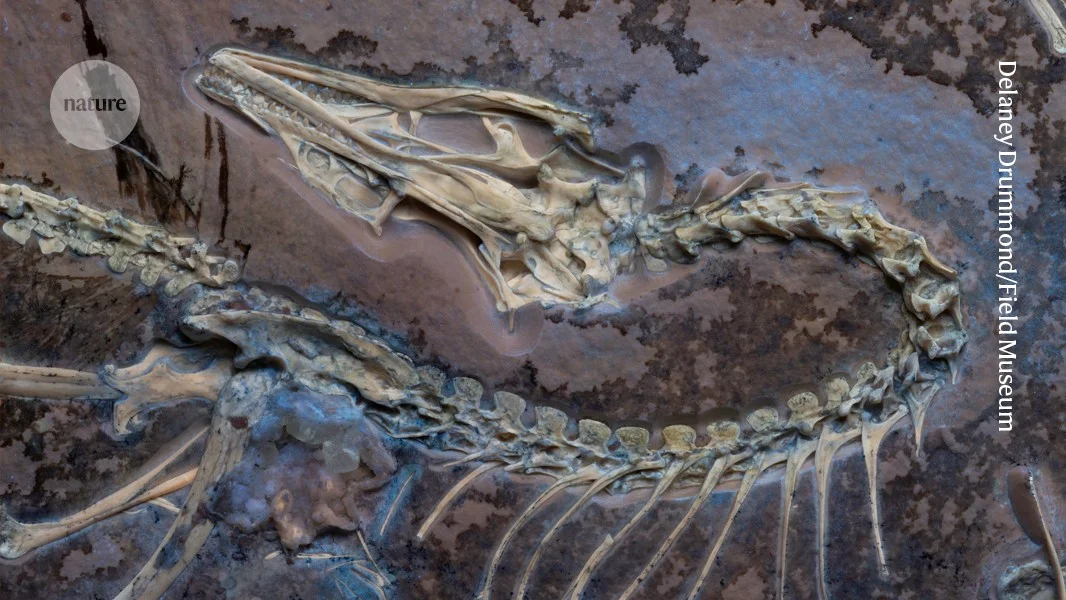
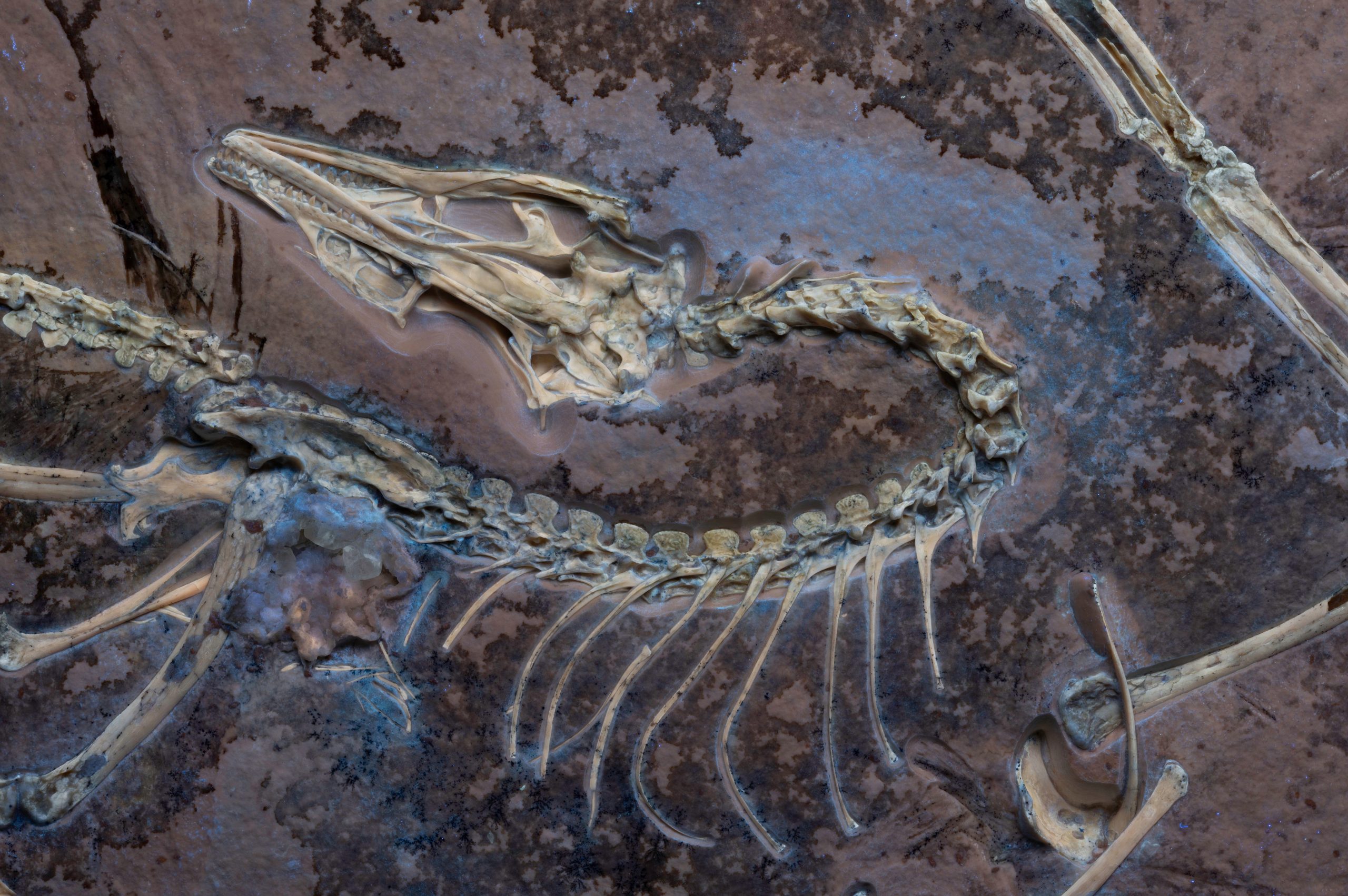
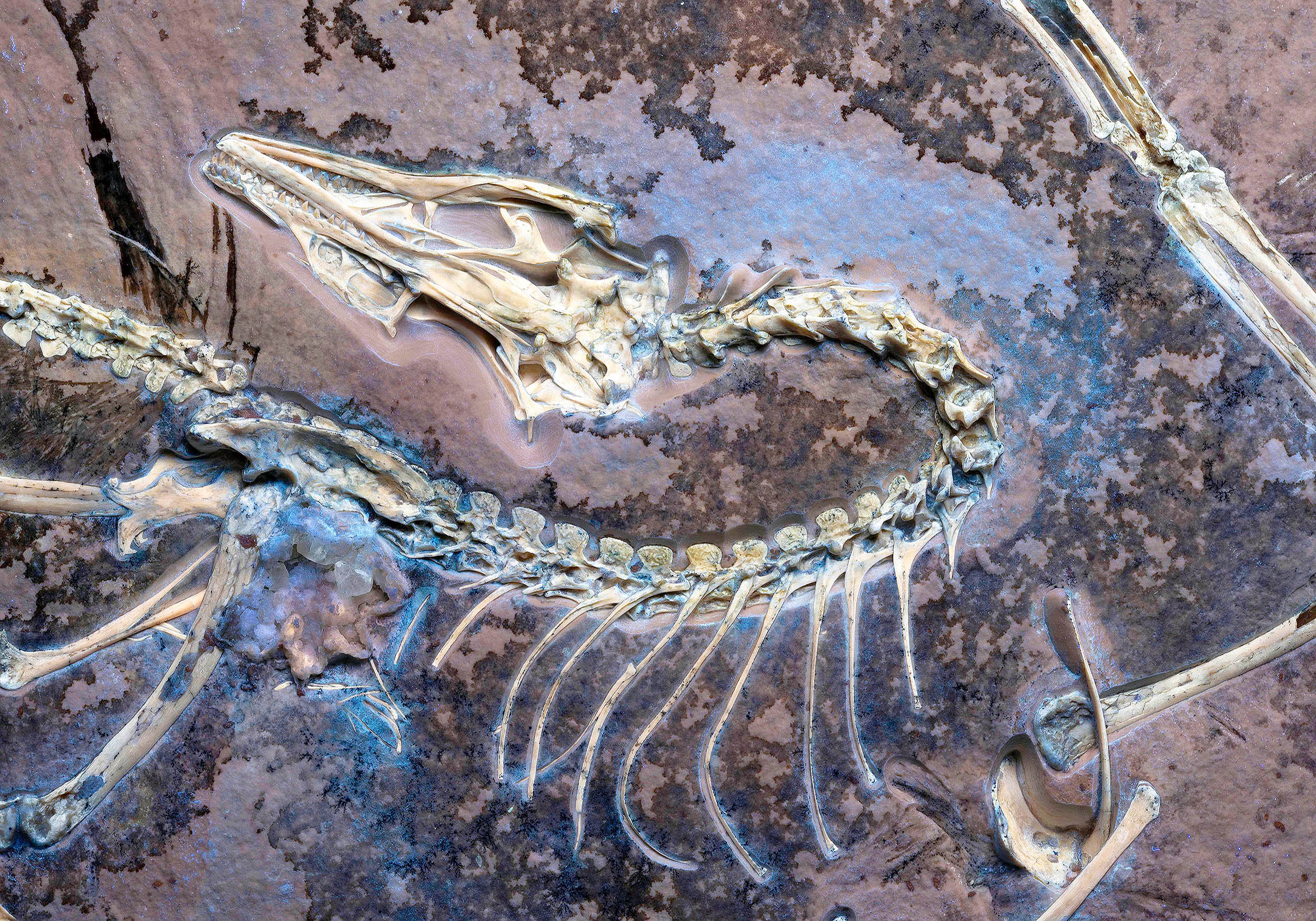
Chicago’s Archaeopteryx fossil, unusually well-preserved with soft tissues, was CT-scanned and examined under UV light, revealing detailed anatomy from snout to tail and long tertial feathers. The findings suggest this bird could fly and imply that flight evolved more than once among dinosaurs, lending fresh support to Darwin’s theory of evolution.

Ultra-Preserved Chicago Archaeopteryx Rewrites Flight Evolution
science20 days ago

Ultra-Preserved Chicago Archaeopteryx Rewrites Flight Evolution

A nearly intact specimen dubbed the Chicago Archaeopteryx, the smallest of its kind, was recovered from Solnhofen limestone and studied with CT scanning and UV light. The preserved skull, soft tissues, and long tertial feathers reveal how this early dinosaur may have used feathers to fly, providing strong evidence that flight evolved in multiple lineages of dinosaurs and reshaping our understanding of the origin of avian flight.

Soft-tissue Archaeopteryx hints at how birds learned to fly
science20 days ago

Soft-tissue Archaeopteryx hints at how birds learned to fly

A well-preserved Chicago Archaeopteryx fossil from the Field Museum, examined with CT scans and UV light, reveals preserved soft tissues and long tertial feathers, offering new details on its anatomy and flight capabilities. The findings suggest Archaeopteryx could fly and support the idea that dinosaur flight evolved more than once, reinforcing Darwin’s theory of evolution.

Archaeopteryx reveals hidden mouth features linked to the dawn of avian flight
science1 month ago

Archaeopteryx reveals hidden mouth features linked to the dawn of avian flight

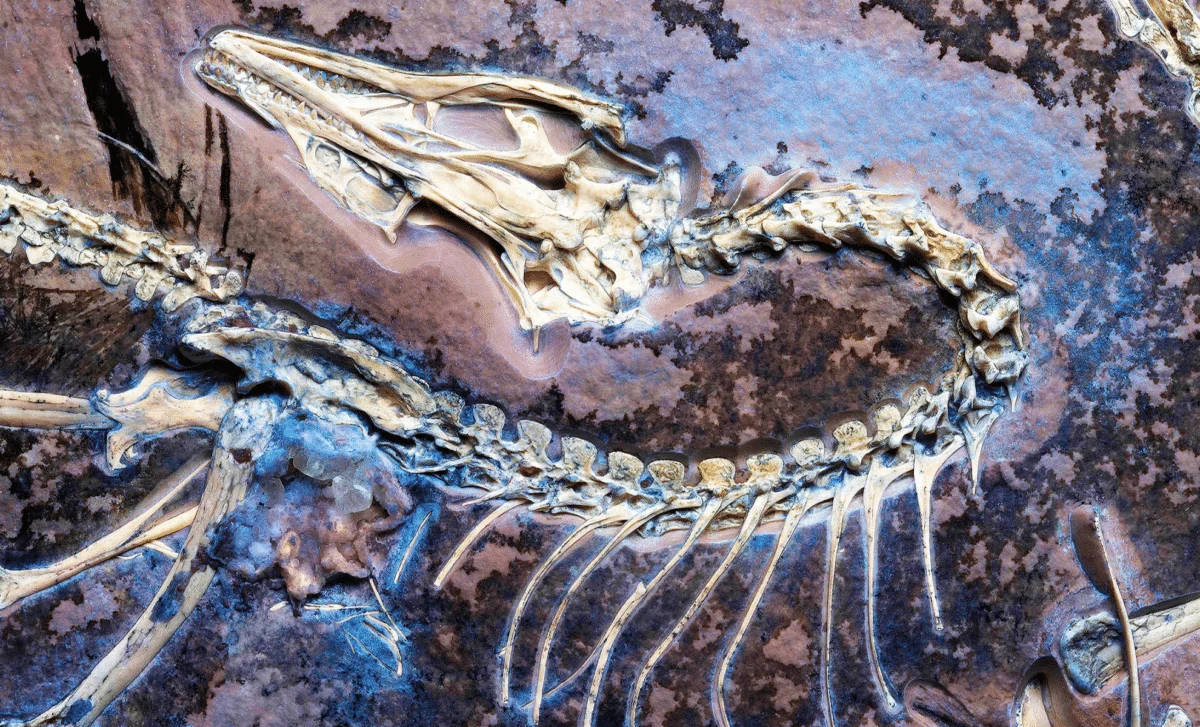
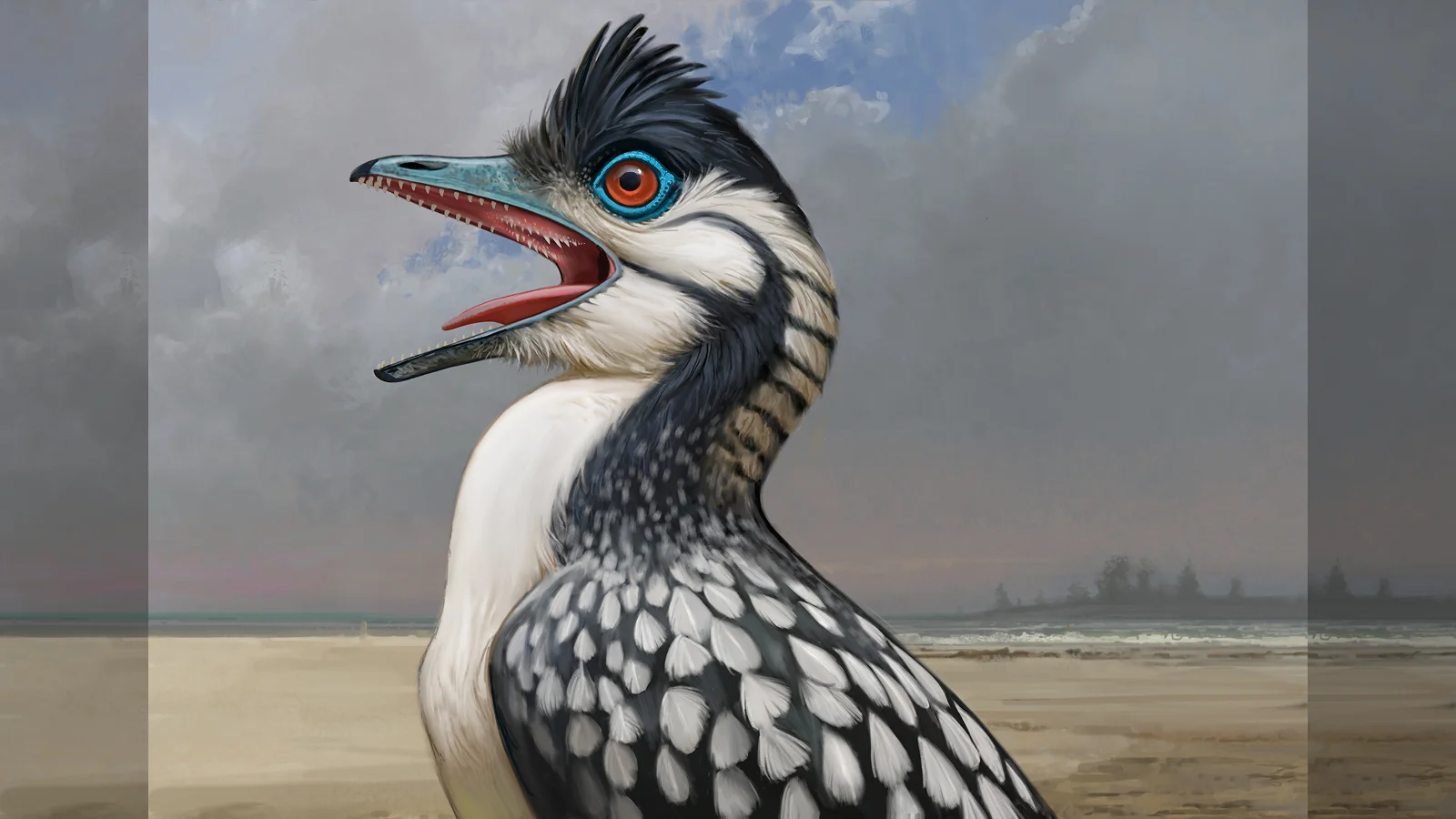
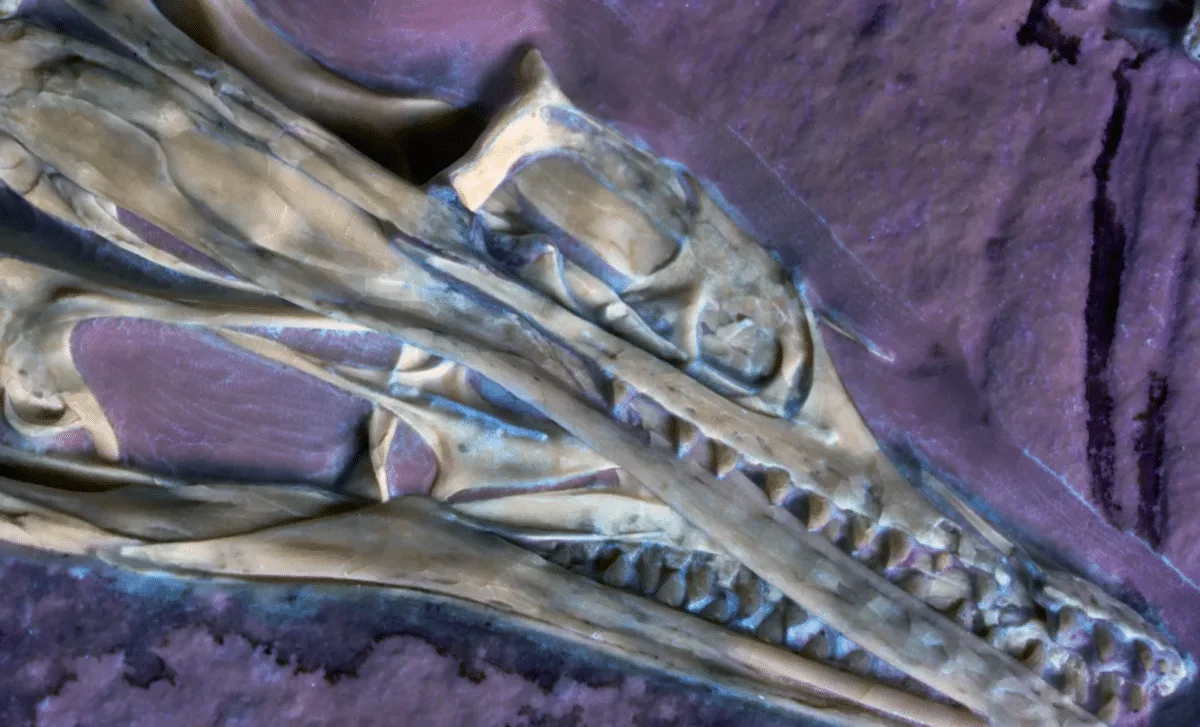
A Field Museum study of Archaeopteryx fossils uncovers previously unseen skull features—an indicator bone for a highly mobile tongue, soft-tissue traces interpreted as oral papillae on the roof of the mouth, and jaw-tip openings suggesting an early bill-tip organ. These traits, common in living birds but absent in nonflying dinosaurs, may have helped feeding and food processing as flight evolved, implying they appeared around the origin of birds in the Late Jurassic. Archaeopteryx likely represents an early feathered flyer rather than a direct ancestor of modern birds.

Archaeopteryx Skull Yields Earliest Oral Papillae, Shaping Flight Evolution
science2 months ago

Archaeopteryx Skull Yields Earliest Oral Papillae, Shaping Flight Evolution

Scientists unveiled the oldest known oral papillae inside an Archaeopteryx skull, discovered in a 2022 Field Museum fossil using ultraviolet-light preparation. The finding suggests early bird-like dinosaurs already had a specialized mouth-based digestive system to support the high-energy demands of flight, offering new insight into avian evolution and feeding strategies.

"Dinosaur Era Birdwatching: A Quick Guide"
science-and-nature2 years ago

"Dinosaur Era Birdwatching: A Quick Guide"

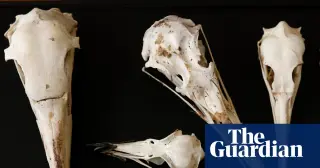
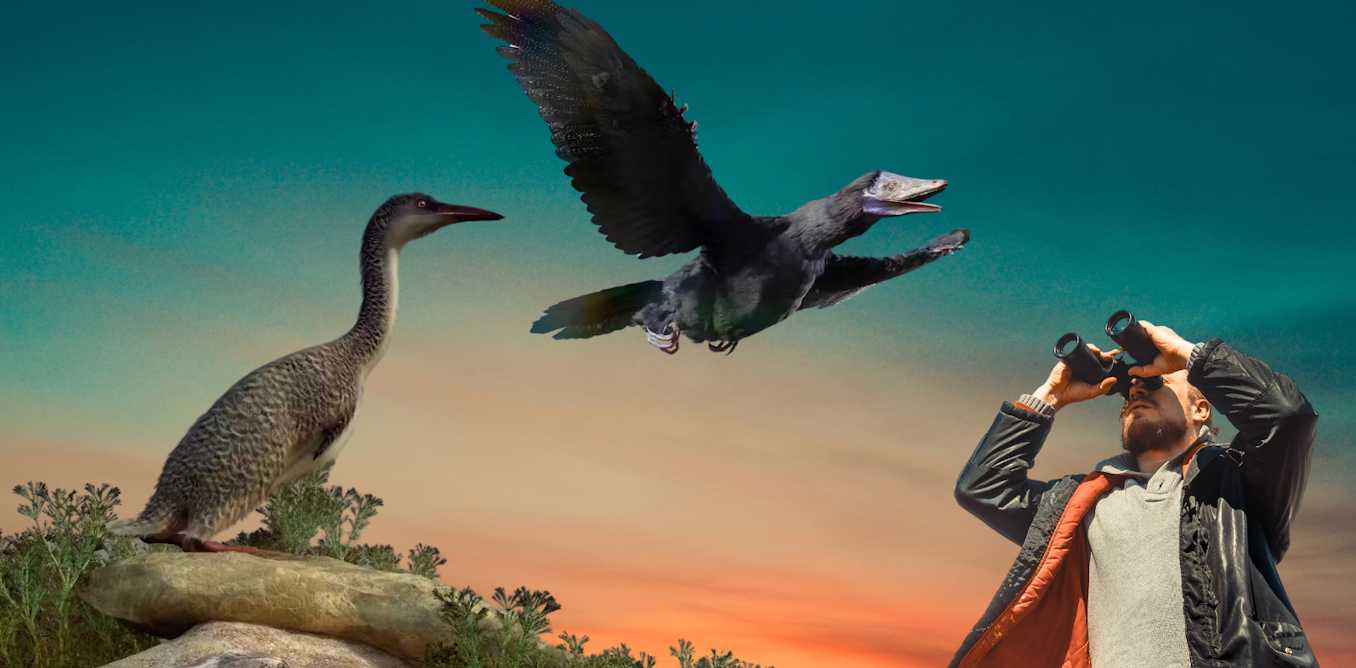
Birdwatching in the age of dinosaurs would have been an extraordinary experience, with ancient birds such as Archaeopteryx, Confuciusornis, Falcatakely, Hesperornis, Vegavis, and Asteriornis roaming the skies. These ancient birds, closely related to dinosaurs, varied in appearance and behavior, from the iconic dino-bird Archaeopteryx with its feathered wings to the aquatic Hesperornis resembling a six-foot-tall penguin. The survival and evolution of these humble birds, including ancestors of modern ducks and chickens, played a crucial role in their ability to endure the mass extinction event that wiped out non-bird dinosaurs.