Tag

Aspartame

All articles tagged with #aspartame

Emerging Research Links Daily Diet Soda to Cognitive Decline and Neurotransmitter Disruption
health5 days ago

Emerging Research Links Daily Diet Soda to Cognitive Decline and Neurotransmitter Disruption

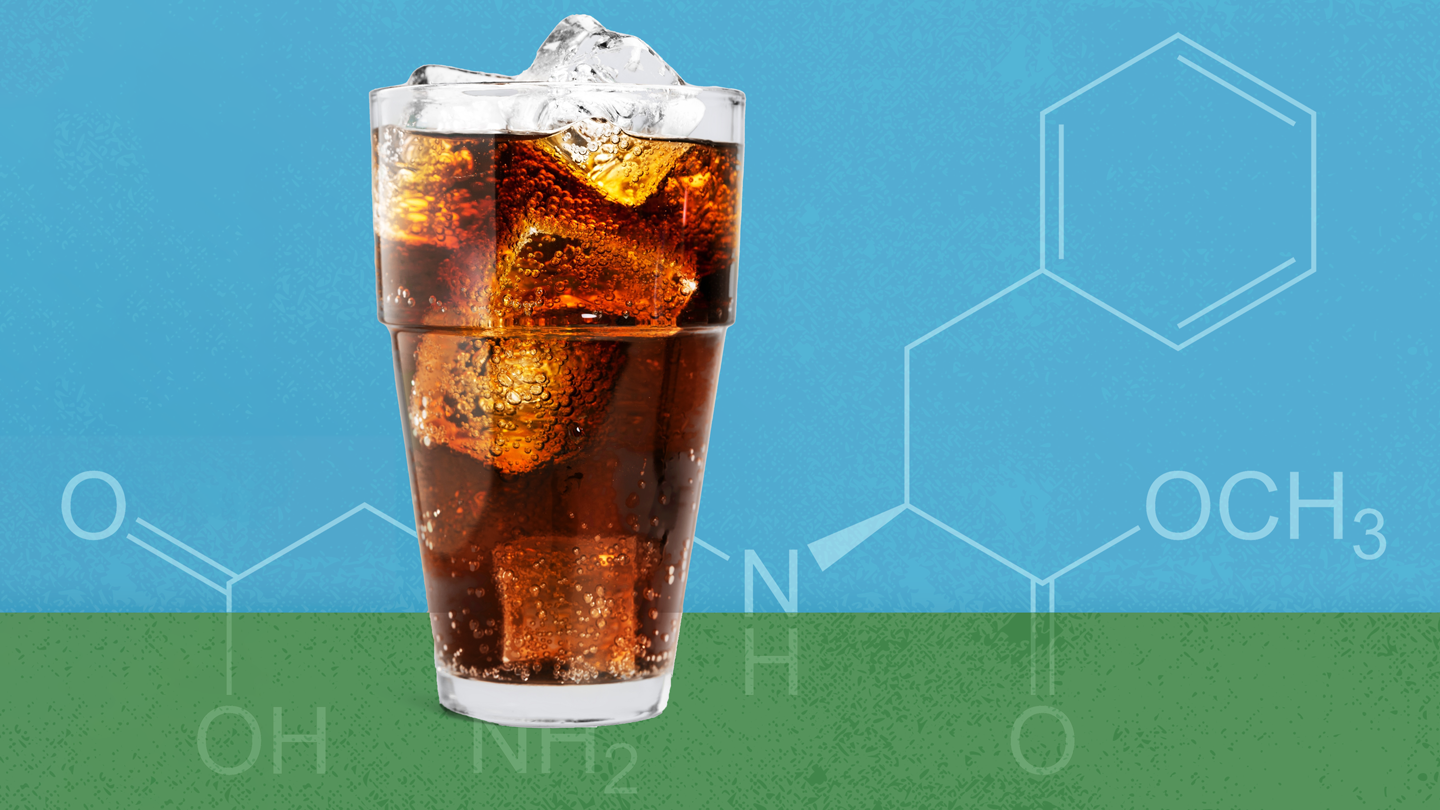
A new review of scientific literature suggests that daily consumption of diet soda may negatively impact brain health through the metabolism of artificial sweeteners. Aspartame breaks down into phenylalanine, which can alter neurotransmitter balance and potentially affect mood and cognitive clarity. Additionally, artificial sweeteners may disrupt the gut-brain axis by altering gut microbiome composition, indirectly influencing cognitive function. While occasional consumption is generally considered safe, experts warn that daily habits could have cumulative effects, particularly for individuals prone to headaches or mood disorders. Alternatives such as water, green tea, and berry smoothies are recommended for better long-term cognitive support.

Daily Diet Soda Consumption May Influence Brain Health via Aspartame Metabolism and Gut Microbiome
health5 days ago

Daily Diet Soda Consumption May Influence Brain Health via Aspartame Metabolism and Gut Microbiome

Emerging research suggests that daily consumption of diet soda may impact brain function through the metabolism of aspartame, which breaks down into phenylalanine and methanol. Neurologist Luke Barr, M.D., notes that high phenylalanine intake can alter neurotransmitter balance, potentially affecting mood regulation and cognitive clarity. Additionally, artificial sweeteners may disrupt the gut-brain axis by altering gut microbiome composition, which could indirectly influence mood and cognitive function. While occasional consumption is generally considered safe, experts advise that daily habits may have cumulative effects, particularly for individuals prone to headaches or mood disorders. Alternatives such as water, green tea, and berry smoothies are recommended for better long-term cognitive support.

Diet Soda Dilemma: Mixed Science and a Practical Path Off the Craving
health6 months ago

Diet Soda Dilemma: Mixed Science and a Practical Path Off the Craving

Diet sodas sit in a research-gray area: observational studies link artificial sweeteners to health issues like diabetes, obesity, and hypertension, but causation isn’t proven and larger randomized trials show little to no significant harm; they’re generally better than sugary sodas, but water or unsweetened drinks are still best. The safety of aspartame is considered acceptable within daily intake limits, though long-term effects on gut, metabolism, or brain response are still being studied. For quitting, substitute with sparkling water or unsweetened tea, gradually reduce caffeine, identify triggers, and introduce friction to break the habit.

Daily Diet Coke: The Hidden Health Effects of Sipping It Every Day
health7 months ago

Daily Diet Coke: The Hidden Health Effects of Sipping It Every Day

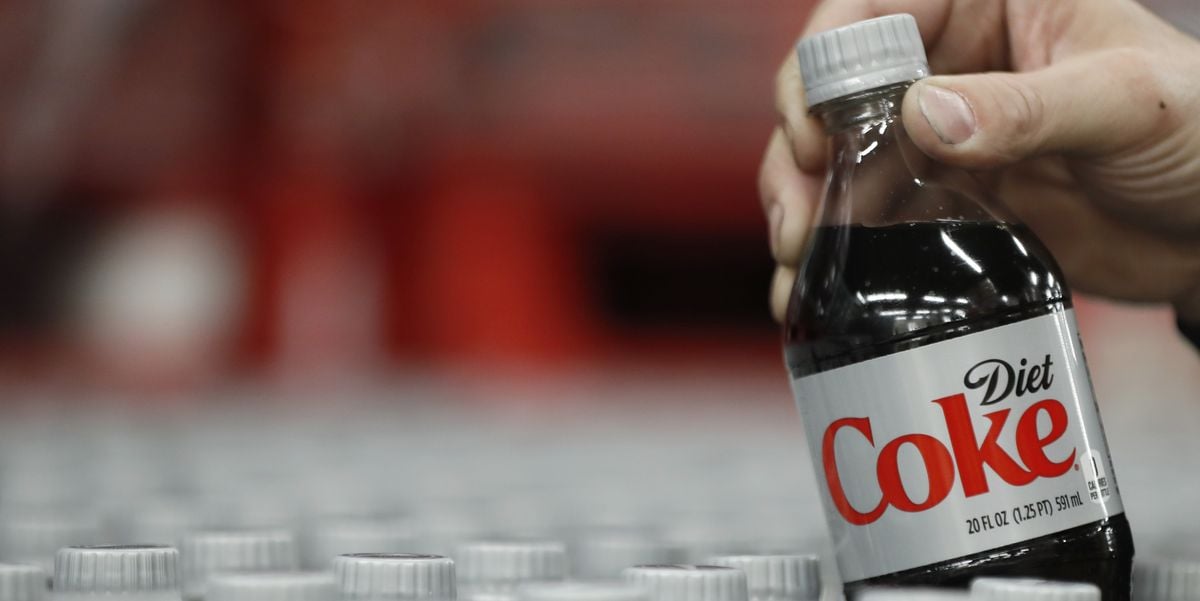
Drinking Diet Coke daily isn’t harmless: its artificial sweeteners and caffeine are considered safe within limits, but regular use may influence taste preferences, potentially alter gut microbiota and metabolic regulation, and can affect sleep or anxiety in sensitive individuals. The drink’s acidity can contribute to dental enamel erosion. Regulators deem the ingredients safe, but experts advise moderation and suggest swapping to water or unsweetened beverages for everyday hydration; occasional Diet Coke is fine, yet cutting back is wise if you’re consuming multiple cans a day.

"Dietitian's Verdict: Diet Coke vs. Coke Zero - Which is Healthier?"
health-and-wellness2 years ago

"Dietitian's Verdict: Diet Coke vs. Coke Zero - Which is Healthier?"

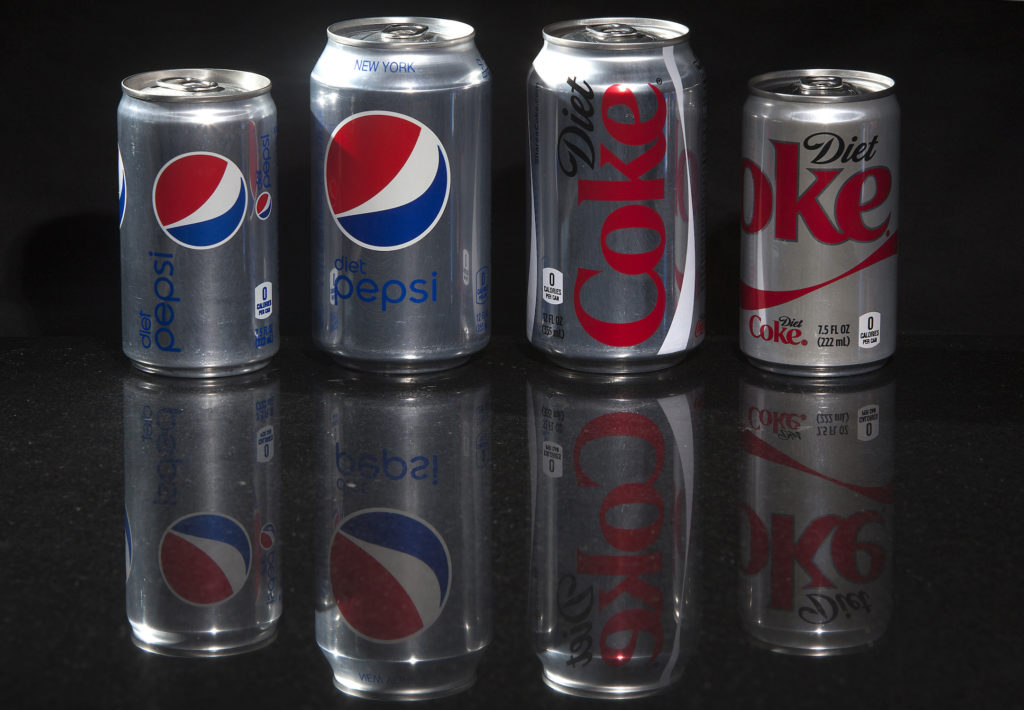
A Toronto-based registered dietitian compared the healthfulness of Diet Coke and Coke Zero, noting that both contain aspartame and caffeine, but Coke Zero also includes acesulfame potassium. While both sweeteners are FDA-approved, concerns have been raised about their potential health risks. The dietitian advised moderation and emphasized that diet sodas should be treated no differently than regular soda, cautioning that artificial sweeteners may trigger cravings for sweets and increase insulin levels over time.

"The Risks of Daily Diet Coke Consumption and Artificial Sweeteners on Gut Health and Diabetes Risk"
health-and-nutrition2 years ago

"The Risks of Daily Diet Coke Consumption and Artificial Sweeteners on Gut Health and Diabetes Risk"

Drinking a Diet Coke every day isn't the healthiest choice, but for those with a sweet tooth trying to limit sugar intake, it can be a satisfying alternative. The artificial sweetener aspartame in Diet Coke has sparked health concerns, with organizations like the IARC classifying it as "possibly carcinogenic to humans." Other ingredients like phosphoric acid and caffeine also raise potential health issues. While moderate consumption may not have detrimental effects for generally healthy individuals, exploring alternatives like seltzer is recommended.

Link Between Maternal Diet Soda Consumption and Autism in Boys
health2 years ago

Link Between Maternal Diet Soda Consumption and Autism in Boys

A study published in Nutrients found that mothers of autistic boys consumed over three times more diet sodas during pregnancy compared to mothers of non-autistic boys. This difference was not observed in mothers of girls. The study suggests that the increased intake of aspartame, a common artificial sweetener found in diet sodas, may be associated with an increased risk of autism in boys. However, the study does not establish a causal relationship, and further research is needed to explore the potential neurological impacts of aspartame consumption during pregnancy.

"Diet soda consumption during pregnancy linked to autism in boys, study reveals"
health3 years ago

"Diet soda consumption during pregnancy linked to autism in boys, study reveals"

A study conducted by researchers at the University of Texas Health Science Center at San Antonio suggests a potential link between autism diagnosis in boys and their mothers consuming at least one diet soda daily or an equivalent amount of the sweetener aspartame during pregnancy or while breastfeeding. The study found that boys with autism were more than three times as likely to have a mother who drank diet soda daily while pregnant or breastfeeding compared to boys without autism. However, no statistically significant association was found with girls. The researchers recommend further research to explore this link and advise caution for pregnant or breastfeeding mothers consuming diet sodas or products containing aspartame.

Aspartame Consumption Linked to Learning and Memory Deficits, Study Finds
health3 years ago

Aspartame Consumption Linked to Learning and Memory Deficits, Study Finds

Researchers at Florida State University College of Medicine have found that the consumption of aspartame, an artificial sweetener, is linked to learning and memory deficits in mice. The study, which used levels of aspartame lower than those deemed safe by the FDA, showed that the offspring of male mice that consumed aspartame demonstrated spatial learning and memory deficits. This research builds upon a previous study that linked aspartame consumption to anxiety in mice. The findings suggest that the effects of aspartame on cognitive abilities are more widespread than previously thought, and the researchers recommend further investigation into the long-term effects of aspartame consumption.

"The Oral Health Benefits of Aspartame and Sugar-Free Gum"
health3 years ago

"The Oral Health Benefits of Aspartame and Sugar-Free Gum"

A dentist and mother of three urges people not to give up on aspartame, a sugar substitute, despite recent claims by the International Agency for Research on Cancer (IARC) that it is "possibly carcinogenic to humans." The dentist argues that the link between aspartame and cancer is tenuous at best, and the U.S. Food and Drug Administration (FDA) vehemently disagrees with IARC's classification, stating that their own scientists found no safety concerns. The dentist emphasizes the importance of non-nutritive sweeteners in maintaining good oral health and reducing sugar consumption, which can lead to dental cavities and oral disease. Chewing sugar-free gum, in particular, has been shown to have significant benefits in preventing cavities and reducing harmful mouth bacteria.

Unveiling the Controversy: Aspartame's Potential Link to Cancer
health3 years ago

Unveiling the Controversy: Aspartame's Potential Link to Cancer

The World Health Organization (WHO) recently classified aspartame, an artificial sweetener used in various sugar-free foods and beverages, as "possibly carcinogenic to humans." However, experts emphasize that more research is needed to determine the link between aspartame and cancer. The recommended daily intake of aspartame remains unchanged, but consuming excessive amounts may have negative side effects such as bloating and diarrhea. While the majority of studies do not show an association between aspartame and cancer, it is important to limit overall sugar intake for various health reasons. Maintaining a healthy lifestyle, including a balanced diet and regular exercise, is crucial in reducing the risk of cancer. Healthier alternatives to sugar and artificial sweeteners include fresh fruit, infused water, raw honey, maple syrup, and monk fruit extracts.

The Potential Cancer Risk of Aspartame: WHO's Warning
health3 years ago

The Potential Cancer Risk of Aspartame: WHO's Warning

The World Health Organization has classified the artificial sweetener aspartame as possibly carcinogenic to humans, causing confusion and concerns about its risks. Aspartame is found in various foods, including diet sodas, breakfast cereals, chewing gum, and desserts. The WHO's cancer research group categorized aspartame as a possible carcinogen, while the agency's food safety group found the evidence unconvincing. The FDA, on the other hand, believes that aspartame is safe and one of the most studied food additives. The WHO recommends moderation in consuming aspartame, with a maximum of 40 milligrams per kilo of body weight.

The Cancer Risk of Aspartame: What You Need to Know
health3 years ago

The Cancer Risk of Aspartame: What You Need to Know

The World Health Organization's International Research Agency on Cancer has classified the artificial sweetener aspartame as a "possible carcinogen." However, the Expert Committee on Food Additives did not change its safe daily limit for aspartame consumption. Aspartame is commonly found in various sugar-free foods and drinks, including Diet Coke. While past research has not conclusively proven a link between aspartame and cancer in humans, consuming large amounts of artificial sweeteners has been associated with a slightly higher risk of cancer. Additionally, artificial sweeteners, including aspartame, may pose other health risks such as heart disease, high blood pressure, diabetes, and obesity. Experts recommend moderation and opting for a natural, healthy diet with naturally sweet foods.

Aspartame: Debunking Cancer Concerns and Health Risks
health3 years ago

Aspartame: Debunking Cancer Concerns and Health Risks

A doctor in Watertown, New York, advises not to worry too much about consuming aspartame, an artificial sweetener found in diet soda, despite a recent World Health Organization report suggesting it may be "possibly carcinogenic to humans." Dr. Joseph Wetterhahn explains that the risk of developing cancer from aspartame is comparable to using a cellphone or applying aloe to a sunburn, and estimates that one would have to drink 15 cans of diet soda daily for at least 20 years before the risk becomes higher than that of someone who doesn't consume any. The study categorizes aspartame as falling into the second-lowest possibility of causing cancer.

The Controversy Surrounding Aspartame and Cancer
health3 years ago

The Controversy Surrounding Aspartame and Cancer

Despite a recent warning from the World Health Organization (WHO) that aspartame, an artificial sweetener commonly used in beverages, may be a possible carcinogen, beverage companies are unlikely to abandon its use. Aspartame is a cost-effective sugar alternative that works well in beverages and is favored by consumers for its taste. The US Food and Drug Administration (FDA) has disagreed with the WHO's findings, stating that aspartame is safe. Beverage companies have been experimenting with different sweeteners but are not expected to change their recipes unless there is a significant drop in consumer demand.