Leading publications highlight distinct trends in 2026 cocktail bars: US venues emphasize technical complexity and local ingredients, while Australian spots focus on community, accessibility, and niche spirits.
Allison Ellsworth, co-founder of prebiotic soda brand Poppi, has launched Jetty, a new electrolyte drink company. After selling Poppi to PepsiCo for approximately $1.95 billion in 2025, Ellsworth and her husband, Stephen, invested $2.5 million of their own capital into the new venture. Jetty targets everyday consumers rather than athletes, offering bottled drinks and powders with lower sugar and sodium than traditional sports drinks. The brand launched on November 9, 2026, with availability at Whole Foods, Target, and Amazon. Ellsworth aims to disrupt the hydration market using a digital-first marketing strategy similar to her success with Poppi.
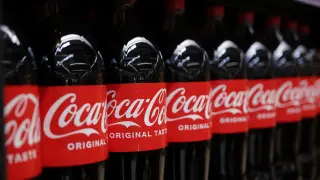
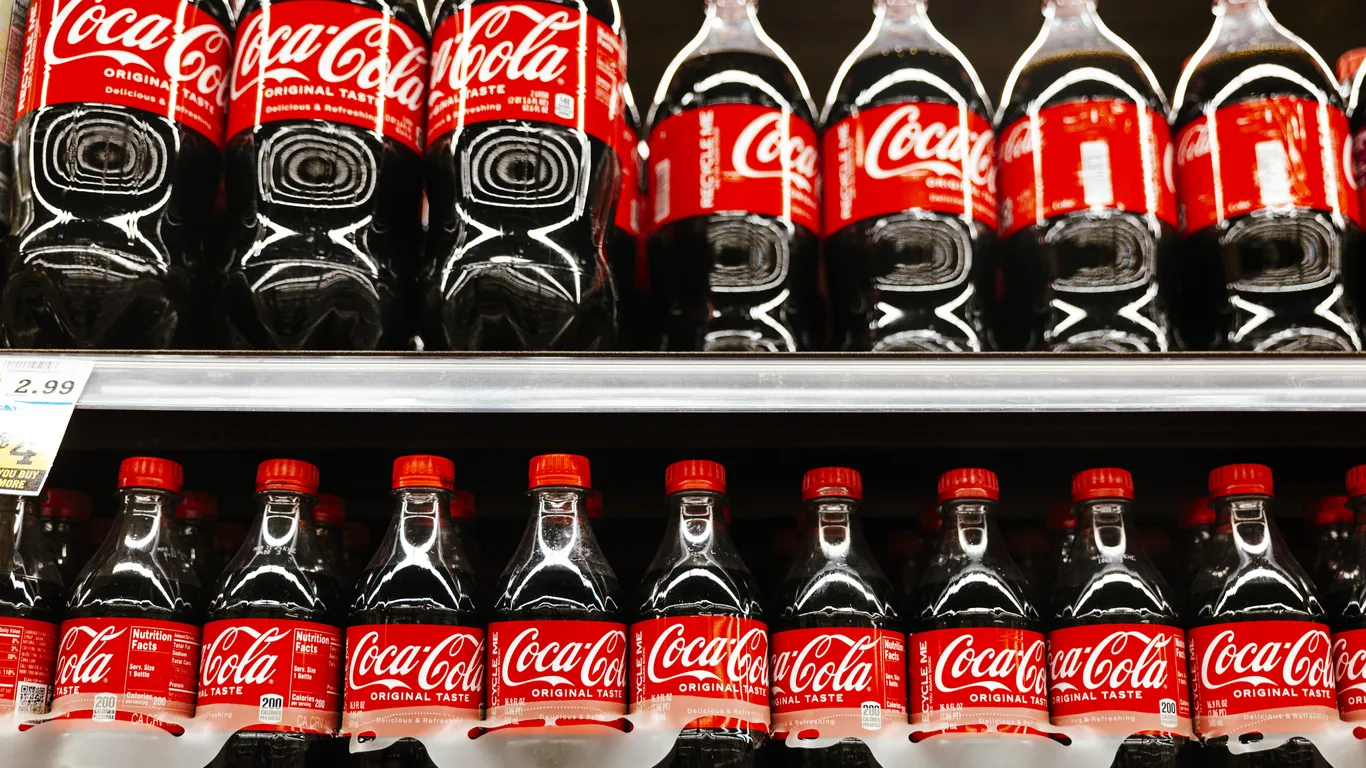
Coca-Cola will introduce new flavors across its portfolio in 2027, including Cherry Lime and Strawberry Float for its core brand, as well as prebiotic versions of Zero Sugar sodas. The company also plans to expand Powerade, Mr. Pibb, and Topo Chico lines with new varieties, while Core Power shakes will debut new flavors for the first time in nearly a decade.
Coca-Cola has appointed Rob Gehring, currently head of Monster Beverage’s Americas business, to lead its North American operations starting December 1. The move aims to bolster growth amid tightening U.S. consumer spending, leveraging Gehring’s experience in driving innovation and commercial modernization. While Coca-Cola reported 7% net sales growth in the second quarter, Monster Beverage saw a 20% increase, highlighting the energy drink sector’s momentum. Gehring, 59, previously served as CEO of Swire Coca-Cola USA and will transition from his role at Monster, where he has been chief growth officer since 2024.
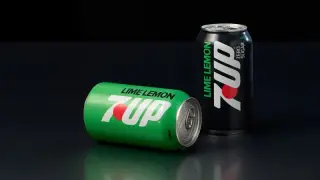
Keurig Dr Pepper is permanently changing the recipe of 7UP for the first time in 15 years, shifting the flavor profile to emphasize lime over lemon. The move, accompanied by a new vertical logo and packaging, aims to attract younger consumers who prefer bold citrus tastes. While the brand faces stiff competition from Coca-Cola’s Sprite, the parent company cites strong recent sales growth and a strategic focus on internal innovation rather than acquisitions.
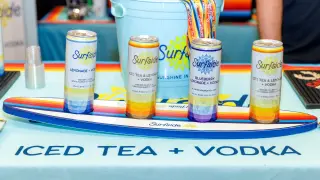
Non-carbonated drinks are gaining ground as seltzer fatigue hits, driven by Gen Z’s preference for fizz-free options in both alcoholic and non-alcoholic categories. Brands like Surfside, Liquid Death, Celsius and BeatBox are expanding fizz-free lines, while traditional seltzers underperform, signaling a broader shift in the beverage landscape toward still drinks packaged in cans.
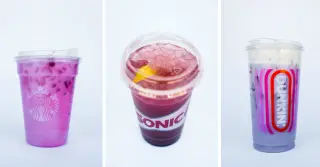
McDonald’s will launch bright, fruit-flavored refreshers and dirty sodas in May, adding fuel to a beverage trend that already has Dunkin’, Starbucks and rivals like Taco Bell and Sonic expanding cold-drink menus in a bid to win more traffic and sales.
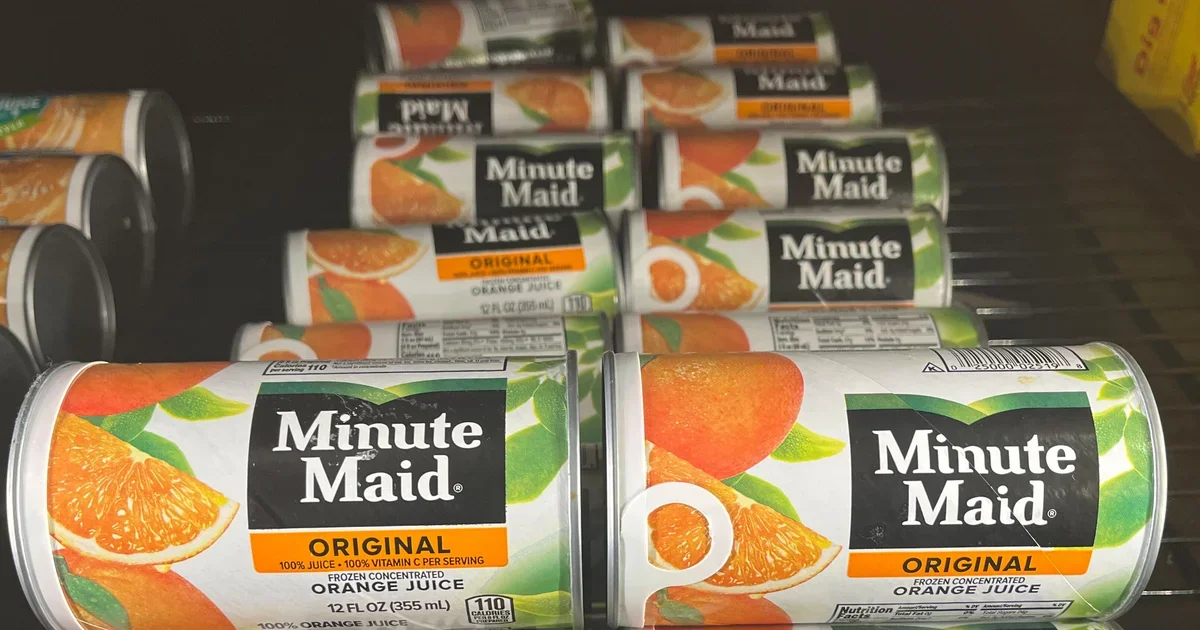
Coca-Cola is discontinuing Minute Maid’s frozen canned juice line after 80 years, ending a long-running product in its beverage portfolio. The company has not announced replacement products at this time.
Coca-Cola will discontinue Minute Maid frozen juice concentrates in the U.S. and Canada, with sales ending by April 2026 and inventory while supplies last, in a shift to prioritize fresh juices amid changing consumer tastes. The move ends a long history dating to 1946, as frozen concentrate demand wanes, prices rise, and frozen-beverage sales decline (about 8% over the past year, with a December 12-ounce can averaging around $4.82). Coke has also nudged consumers toward Zero Sugar fresh options.
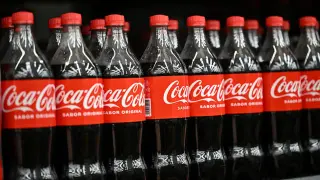
Coca-Cola's plan to reintroduce cane sugar in the US has faced challenges due to limited availability, making the rollout a gradual process, despite earlier announcements and political pressure.
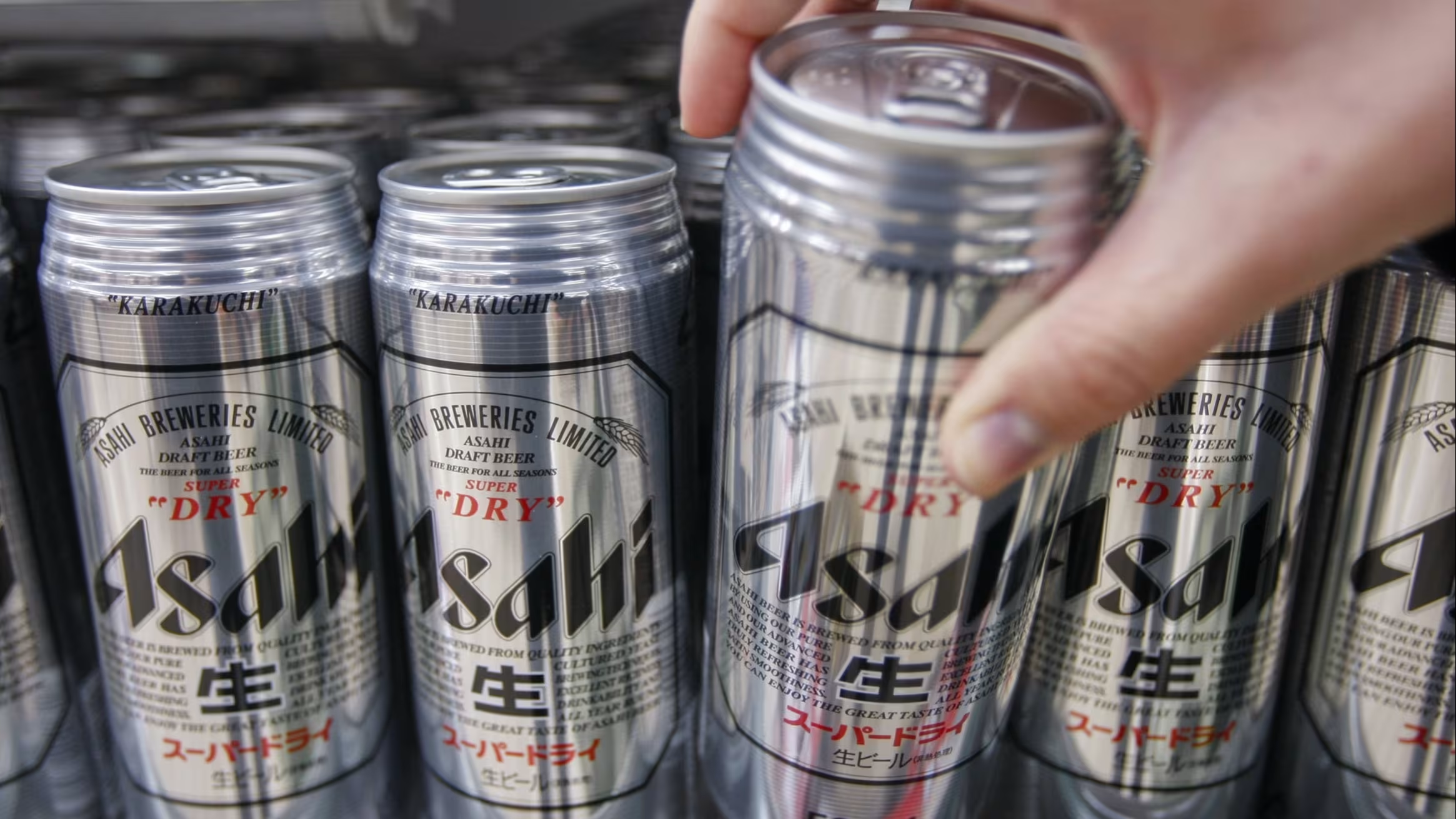
Japan is on the verge of running out of Asahi Super Dry beer due to a cyber attack that disrupted supply chains, highlighting vulnerabilities in the beverage industry.
Keurig Dr Pepper plans to acquire European coffee company JDE Peet’s for $18 billion, aiming to split into two focused beverage companies—one on coffee and the other on soft drinks—effectively undoing its 2018 merger with Dr Pepper. The deal reflects shifts in consumer demand and challenges in the coffee industry, with the new focus on coffee innovation and growth, pending regulatory approval expected in 2026.
President Trump announced that Coca-Cola will start using real cane sugar in its US products, moving away from high fructose corn syrup, possibly in response to consumer demand and health considerations, though details on recipe changes are yet to be clarified.
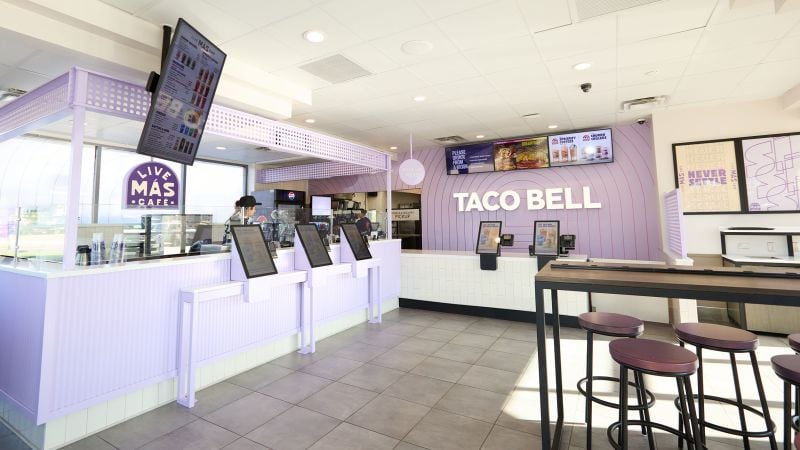
Taco Bell is testing a new concept called Live Más Café in San Diego, focusing on a beverage-centric menu that includes milkshakes, coffees, and fruity iced drinks. This move aims to tap into the growing beverage market dominated by chains like Starbucks and Dunkin'. The café is part of Taco Bell's strategy to diversify its audience and disrupt the beverage industry, leveraging its strong performance within Yum Brands. The concept was developed with Diversified Restaurant Group, a major Taco Bell franchisee.