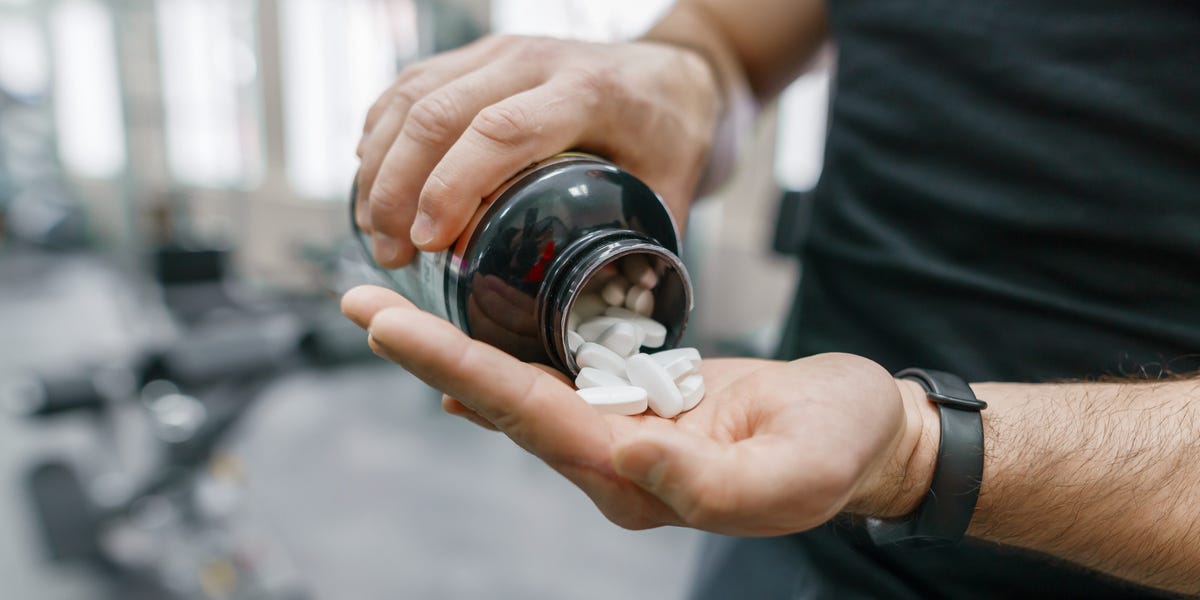
Experts debunk the loading phase and advise a steady daily intake of 3–5 grams of creatine to saturate muscles and support high‑intensity performance, with potential brain health benefits and minimal risk when kept to recommended amounts.
Creatine supplements are effective for increasing muscle mass and improving athletic performance when combined with exercise, with some emerging evidence suggesting potential benefits for bone health and cognitive functions, but more research is needed. They are generally safe for healthy adults, especially when certified, but individual responses vary, and they are not a magic solution for all health or performance goals.
Most modern humans carry a Neanderthal-derived variant of the muscle enzyme AMPD1, which reduces its activity and can slightly limit muscle performance under stress, reflecting an evolutionary legacy that influences traits like athletic ability and energy management.
A Neanderthal gene variant affecting energy production in muscles may limit endurance athletic performance in some Europeans, with carriers being less likely to reach elite levels, though it does not significantly impact daily activities or overall health.
A Neanderthal gene variant affecting the AMPD1 enzyme, which is crucial for muscle energy, was inherited by modern humans and reduces enzyme activity. While generally tolerated, this variant can impair athletic performance, with carriers being less likely to reach top athletic levels. The study highlights the importance of understanding ancient genetic influences on modern physiology and performance.
The article examines the popularity of creatine supplements among athletes and the claims about its benefits beyond muscle building, such as improving memory and aiding recovery from head injuries, with insights from nutrition experts to clarify what is supported by evidence.
Beetroot, a colorful and affordable vegetable, is recommended by Dr. Sooj for its health benefits, including lowering blood pressure and enhancing athletic performance due to its high dietary nitrate content. It is also rich in fiber, iron, and vitamins, and has anti-inflammatory properties. Consuming beetroot, whether as juice or powder, can improve power, endurance, and recovery in workouts. However, it may cause beeturia, a harmless condition where urine turns pink or red.
Beets, particularly due to their nitrate content, have been found to improve athletic performance by increasing blood flow and enhancing cardiorespiratory endurance efficiency. Endurance athletes, as well as fitness enthusiasts, can benefit from incorporating beets into their diet through options such as beet juice, smoothies, beetroot powder, and roasted beets. Research suggests that consuming beets may lead to improved energy levels and endurance during workouts, making them a valuable addition to a fitness-focused diet.
Research indicates that the time of day can impact both athletic performance and health outcomes of exercise. Evening times, particularly around 5:12 pm for swimmers, have been associated with peak performance, while morning exercise may burn more fat and reduce abdominal fat and blood pressure in women. These effects are linked to the body's circadian rhythms, which can be influenced by consistent exercise routines. Although individual differences such as chronotypes (morning larks and night owls) play a role, regular training at the same time each day could help the body adapt and potentially enhance performance at that time. However, exercising at any time is beneficial, and routine is key for adaptation.
Clinical psychologist and supplement researcher Dr. Adrian Lopresti takes fish oil, magnesium, and ashwagandha to boost mood, reduce stress, and improve athletic performance. Fish oil, rich in omega-3 fatty acids, has been found to lower blood pressure and alleviate symptoms of depression. Magnesium, essential for various bodily functions, may positively impact muscle performance in athletes. Ashwagandha, known for its stress-reducing properties, takes a few weeks to show noticeable effects. Lopresti's supplement choices are based on his own research and the existing scientific literature.
Dr. Adrian Lopresti, a clinical psychologist and researcher, takes fish oil, magnesium, and ashwagandha as supplements to boost his mood, reduce stress, and improve athletic performance. Fish oil, rich in omega-3 fatty acids, has been found to lower blood pressure, prevent heart disease, and potentially alleviate symptoms of depression. Magnesium, essential for bone, heart, muscle, and nerve health, may positively influence muscle performance in athletes. Lopresti recommends 300-600 mg of elemental magnesium glycinate, bisglycinate, or citrate. Ashwagandha, known for its stress-reducing properties, takes time to show effects and is most beneficial when taken for two to eight weeks.
Herbal supplements marketed for athletic performance and muscle building can pose risks to the liver and heart. Weight loss and bodybuilding supplements are particularly problematic, as they can cause liver damage and injuries to the cardiovascular system. Supplements with added caffeine, natural steroids, black pepper extract, yohimbe, and those with multiple ingredients should be avoided due to potential dangers. It is important to be cautious when combining herbal supplements with prescription medication, as herb-drug interactions can occur. Consumers should also be mindful of where they purchase herbal supplements to avoid contamination and adulteration.
Fascia, the connective tissue system in our bodies, plays a vital role in flexibility, range of motion, and pain management. Dense fascia provides stabilization and smooth movements, while loose fascia acts as a buffer between organs. Symptoms of tight fascia can be relieved through activities like yoga, foam rolling, massages, and acupuncture. Strengthening fascia can be achieved through exercises like lunges, squats, and resistance training, as well as maintaining hydration.
Cordyceps, a fungus used in traditional Chinese medicine, is believed to have various health benefits. It may improve athletic performance, heart health, blood sugar levels, inflammation, aging, and cancer outcomes. However, research is limited to animal studies and small clinical trials, and human studies are needed to confirm these effects. Cordyceps supplements are available in various forms, but it's important to purchase from reputable brands that undergo third-party testing. Consult with a healthcare provider before taking cordyceps supplements to ensure safety and avoid potential interactions with medications.
Cordyceps is a type of fungus used in traditional Chinese medicine for various health benefits. While research is limited to animal models and small clinical trials, it shows potential in improving athletic performance, heart health, blood sugar control, reducing inflammation, and potentially treating cancer. However, more human studies are needed to confirm these effects. It is important to consult with a healthcare provider before taking cordyceps supplements, especially for individuals with autoimmune diseases. Additionally, there have been reports of lead poisoning from contaminated cordyceps powder, and the FDA does not evaluate the safety and effectiveness of cordyceps supplements.