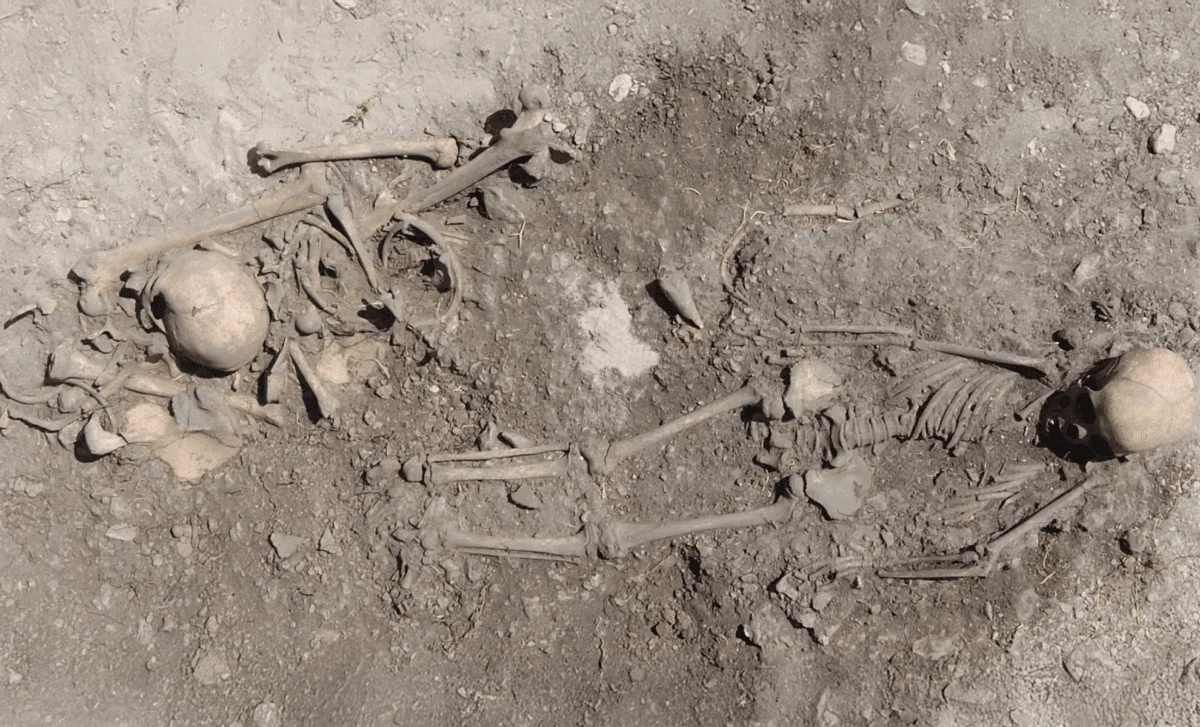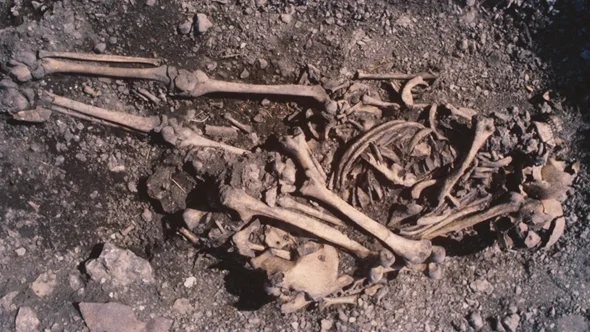
New genetic analysis of 5,500-year-old graves on Gotland, Sweden reveals that people buried together were mostly second- or third-degree relatives, underscoring the central role of extended kin networks in Stone Age hunter-gatherer society.
A DNA analysis of 5,500-year-old burials at Ajvide on Gotland, Sweden, uncovers complex kinship networks among Neolithic hunter-gatherers: many graves held distant relatives rather than immediate family, including a teen girl whose father’s bones were placed atop her grave, with bones moved from elsewhere; the study suggests kinship beyond the immediate family shaped burial practices.
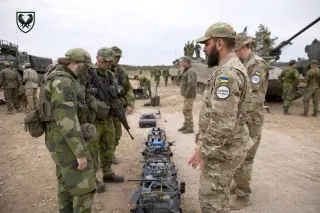
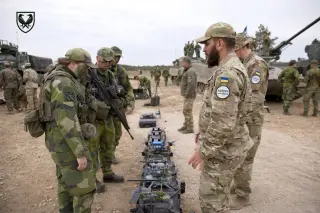
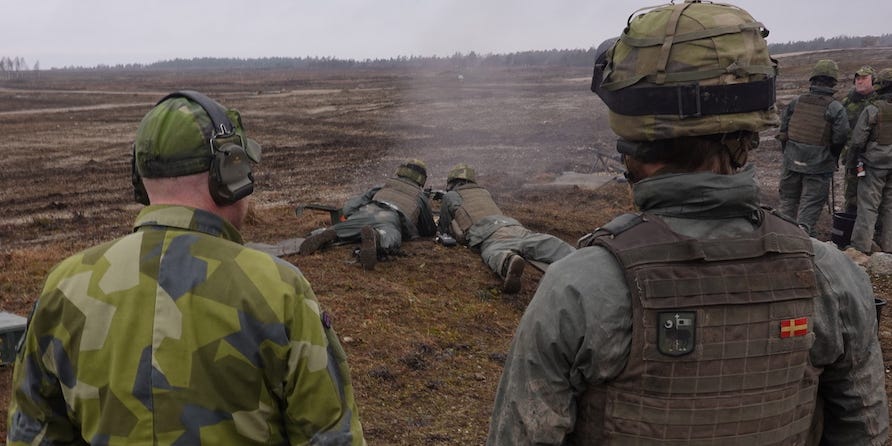
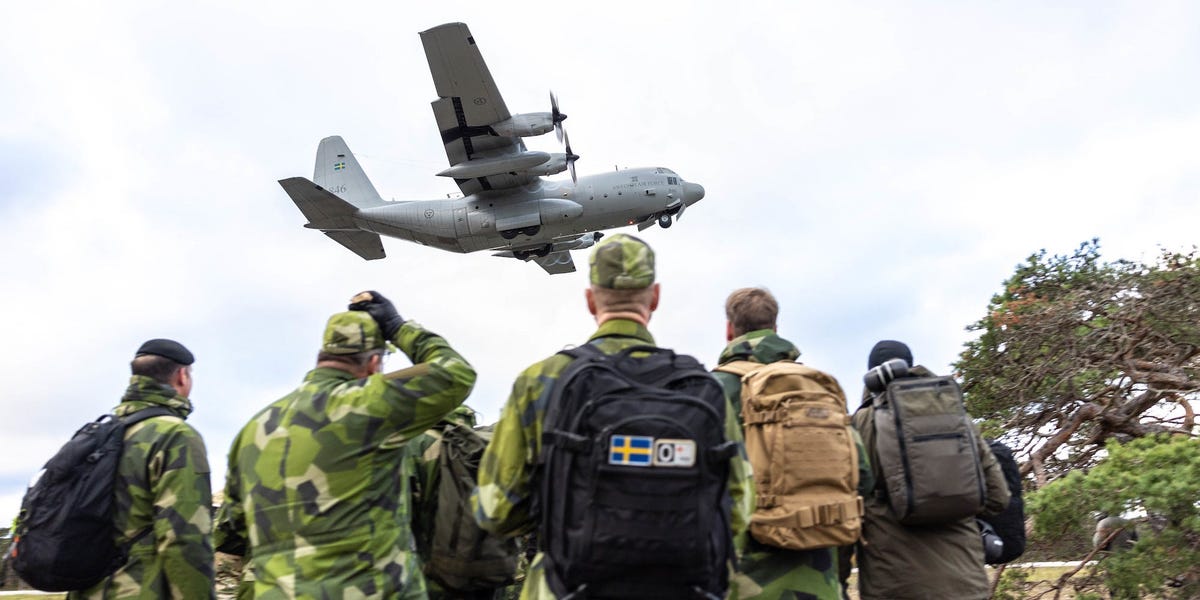
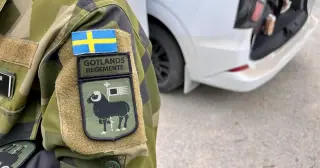
Sweden's army chief warns that Russian President Vladimir Putin is eyeing the strategic Swedish island of Gotland to gain control over the Baltic Sea. Sweden, now a NATO member, has fortified Gotland due to its strategic importance. Concerns include potential Russian military aggression and underhanded tactics like environmental sabotage. The situation has heightened tensions in the region, especially after Russia's recent controversial proposals to expand its territorial claims in the Baltic Sea.
Sweden, as NATO's newest member, is considering fortifying the strategic island of Gotland in the Baltic Sea, which holds a key position in the defense of neighboring countries. The island's reinforcement is among the first topics to be discussed with NATO partners, following Sweden's formalization of its NATO membership. Gotland's location close to Russia's exclave of Kaliningrad makes it a crucial asset, and Sweden has already invested $160 million in its military infrastructure. This move reflects Sweden's shift from its prior neutral status and its increasing defense spending in response to heightened tensions with Russia.