Tag

Bpa

All articles tagged with #bpa

Heat Food in Glass, Not Plastic: Oncologists Warn of Cancer Risk
health21 days ago

Heat Food in Glass, Not Plastic: Oncologists Warn of Cancer Risk

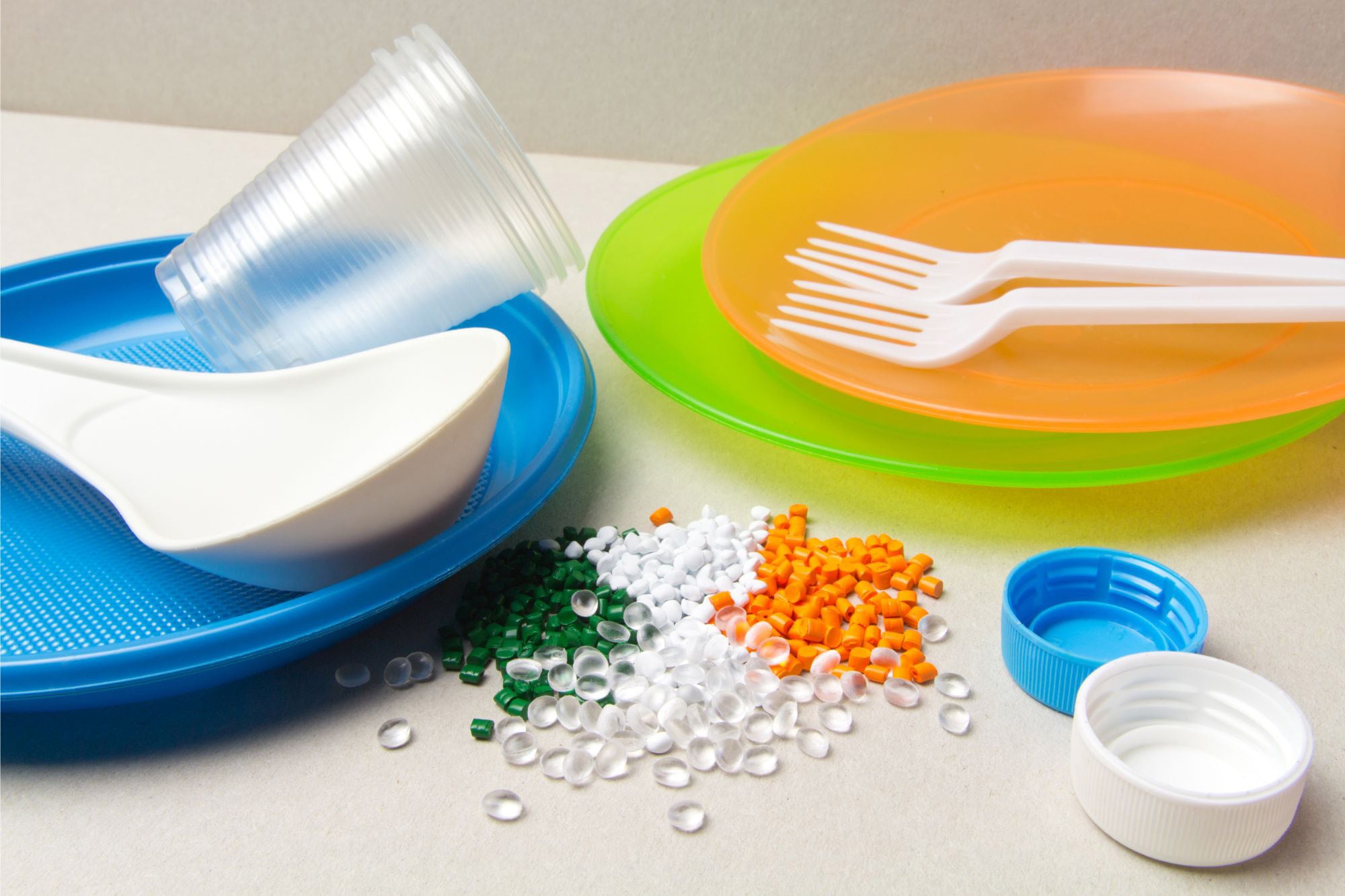
Oncologists warn that microwaving food in plastic can cause chemical leaching (including BPA, phthalates, styrene, and PFAS) that may disrupt hormones and contribute to cancer risk. While the exact level of risk is still being studied, reducing exposure—by heating in glass or ceramic, using microwave-safe lids or parchment, avoiding reheating takeout containers, and storing leftovers in glass or stainless steel—can lower potential harm as researchers learn more.

Plastic Detox: A Fertility Quest Against Everyday Chemicals
health28 days ago

Plastic Detox: A Fertility Quest Against Everyday Chemicals

Facing unexplained infertility, a couple joins Dr. Shanna Swan’s three‑month Plastic Detox study to cut plastic exposure, avoiding plastic packaging, receipts, synthetic fabrics and fragranced products. In a small sample, BPA levels dropped and sperm counts rose, suggesting home changes can impact fertility, though results aren’t conclusive. The Netflix documentary The Plastic Detox argues these chemicals are widespread and calls for broader lifestyle reforms to protect reproductive health.

health-and-medicine1 month ago

Cancer-Linked Chemicals Found in Nearly All Tested Headphones

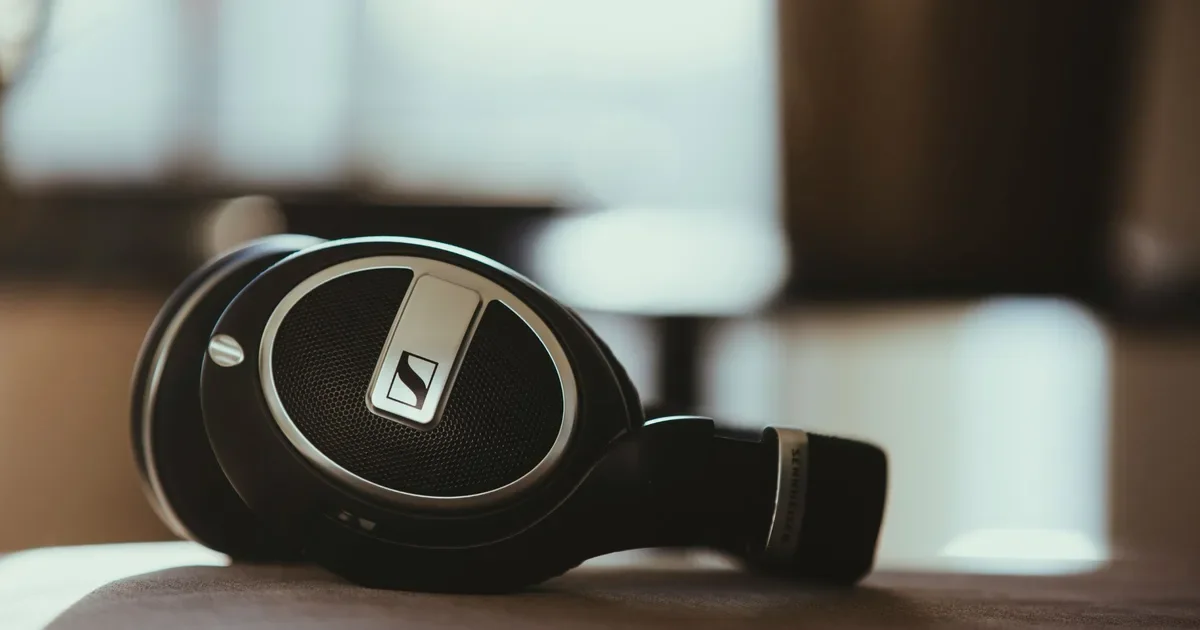
A European study tested 81 headphones and found BPA in 98% of samples and its substitute BPS in more than three-quarters, with these chemicals migrating into wearers through skin contact—especially with in-ear models—raising concerns about long‑term risks like endocrine disruption, feminization, early puberty, cancer and organ damage. Regulators and manufacturers are urged to demand safer materials and transparency, with TOX-Free LIFE for All pushing bans; Bose and Panasonic were contacted for comment.

Lab finds toxic chemicals in 81 headphones from Bose, Samsung, and Sennheiser
technology1 month ago

Lab finds toxic chemicals in 81 headphones from Bose, Samsung, and Sennheiser

A lab study by the ToxFREE LIFE for All project tested 81 headphones from Bose, Samsung and Sennheiser and found toxic chemicals in every model, including BPA in 98% of samples and BPS in over 75%, along with phthalates, chlorinated paraffins and various flame retardants. Experts warn that skin contact and heat during use can accelerate chemical migration, raising health concerns and prompting calls for broader regulation and greater transparency from manufacturers; brands reportedly did not immediately comment.

Hazardous Chemicals Detected in Every Headphone Sample
health1 month ago

Hazardous Chemicals Detected in Every Headphone Sample

A study by the ToxFREE LIFE for All project tested 81 headphones (in-ear and over-ear) and found hazardous substances in every pair, with BPA detected in 98% of samples and other toxins like phthalates, chlorinated paraffins, and brominated flame retardants across brands from Bose to Shein/Temu; researchers warn these chemicals can migrate into the body, especially with heat and sweat accelerating skin exposure.

Are Receipts Safe to Touch Despite Toxicity Concerns?
health9 months ago

Are Receipts Safe to Touch Despite Toxicity Concerns?

Claims that paper receipts contain toxic chemicals like BPA, which is linked to reproductive and hormonal health issues, are based on real concerns, but the level of risk from touching receipts is generally low. Experts acknowledge that BPA was commonly used in receipts and can be absorbed through the skin, potentially leading to health problems, but typical exposure from casual contact is usually minimal.

BPA Alternatives May Pose Health Risks, Study Finds
health1 year ago

BPA Alternatives May Pose Health Risks, Study Finds

A new study from Miguel Hernández University of Elche reveals that bisphenol analogs BPF and BPS, used as replacements for BPA in plastics, may pose similar health risks, including obesity, diabetes, and hormone disruption. Using computer simulations, the research shows these compounds accumulate in biological membranes, affecting their function and potentially leading to adverse health effects. The findings suggest that BPF and BPS are not safer alternatives to BPA, urging a reevaluation of their use in consumer products.

BPA-Free Plastics: New Study Reveals Hidden Health Risks
health1 year ago

BPA-Free Plastics: New Study Reveals Hidden Health Risks

A new study suggests that BPA-free plastics, often considered safer, may pose similar health risks as BPA itself. Researchers found that BPA alternatives like BPS and BPF disrupt hormones and affect cell membranes in ways nearly identical to BPA, potentially leading to fertility issues and other health problems. The study highlights the need for further investigation into these chemicals, as they may not be the safer alternatives they were thought to be.

"In Utero Influence: How Male Fetal Hormones Impact Female Siblings"
science2 years ago

"In Utero Influence: How Male Fetal Hormones Impact Female Siblings"

The intrauterine position phenomenon, where sex hormones from one fetus can affect the development of another in the womb, has been observed in various mammals, including humans. This phenomenon has implications for understanding the effects of hormone-like chemicals such as BPA, sparking debates about their safety. Scientists are still researching whether these hormonal changes can impact humans, with studies suggesting potential differences in behavior, physiology, and development, but the complexities of studying a species in the real world present challenges.

"BPA Exposure Linked to Childhood Obesity Through Gut Microbiome Alterations"
health2 years ago

"BPA Exposure Linked to Childhood Obesity Through Gut Microbiome Alterations"

A study from Spain suggests that Bisphenol A (BPA) exposure affects the gut microbiome differently in normal-weight children compared to those who are overweight or obese, with normal-weight children showing greater bacterial diversity. BPA, a synthetic chemical found in plastic items, may disrupt the body's natural hormone activities and potentially impact childhood obesity. The research highlights the need to understand the complex relationship between BPA exposure, gut microbiome, and childhood obesity, with implications for future health interventions and policy changes.