Tag

Chemical Exposure

All articles tagged with #chemical exposure

Chili's in Forest City suspends operations after degreaser mistaken for sugar causes chemical burns
local-news28 days ago

Chili's in Forest City suspends operations after degreaser mistaken for sugar causes chemical burns

A Chili's Grill & Bar in Forest City, North Carolina, temporarily suspended operations after an industrial degreasing chemical was mistakenly used to prepare margaritas. The error occurred when an employee placed a cleaning agent in an unlabeled container, which another staff member later believed was sugar. Three customers and two employees suffered chemical burns around their mouths. The Foothills Health District investigated the incident, suspended the food service permit, and reinstated it after the restaurant met safety requirements.

Baby Teeth Reveal Chronic Chemical Exposure in Children with Autism
health1 month ago

Baby Teeth Reveal Chronic Chemical Exposure in Children with Autism

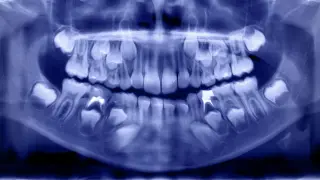
A pilot study from the University of Texas at San Antonio found that baby teeth from children with autism contain significantly higher levels of 19 potentially toxic chemicals compared to controls. The research suggests children are chronically exposed to developmental toxicants and endocrine disruptors from everyday products, though it does not prove causation.

Study Reveals 98% of Personal Care Products Contain Undisclosed Chemicals
health3 months ago

Study Reveals 98% of Personal Care Products Contain Undisclosed Chemicals

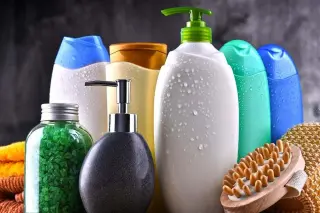
A new study published in Environment & Health found that 98% of 113 tested personal care and cleaning products contained at least one chemical not listed on their labels. Approximately 85% of these items included undisclosed substances with known or suspected health hazards. The research indicates that even products marketed as natural, non-toxic, or organic frequently contained hidden chemicals linked to harm. Senior author Jenna Hua of the Million Marker Research Institute noted that consumers cannot rely solely on ingredient lists to avoid exposure. The findings suggest that current U.S. oversight, which depends on manufacturer self-disclosure, is insufficient, and that testing finished products should become standard practice for safety and quality control.

Hidden Dangers of Hair Styling: Toxic Nanoparticles and Health Risks
health1 year ago

Hidden Dangers of Hair Styling: Toxic Nanoparticles and Health Risks

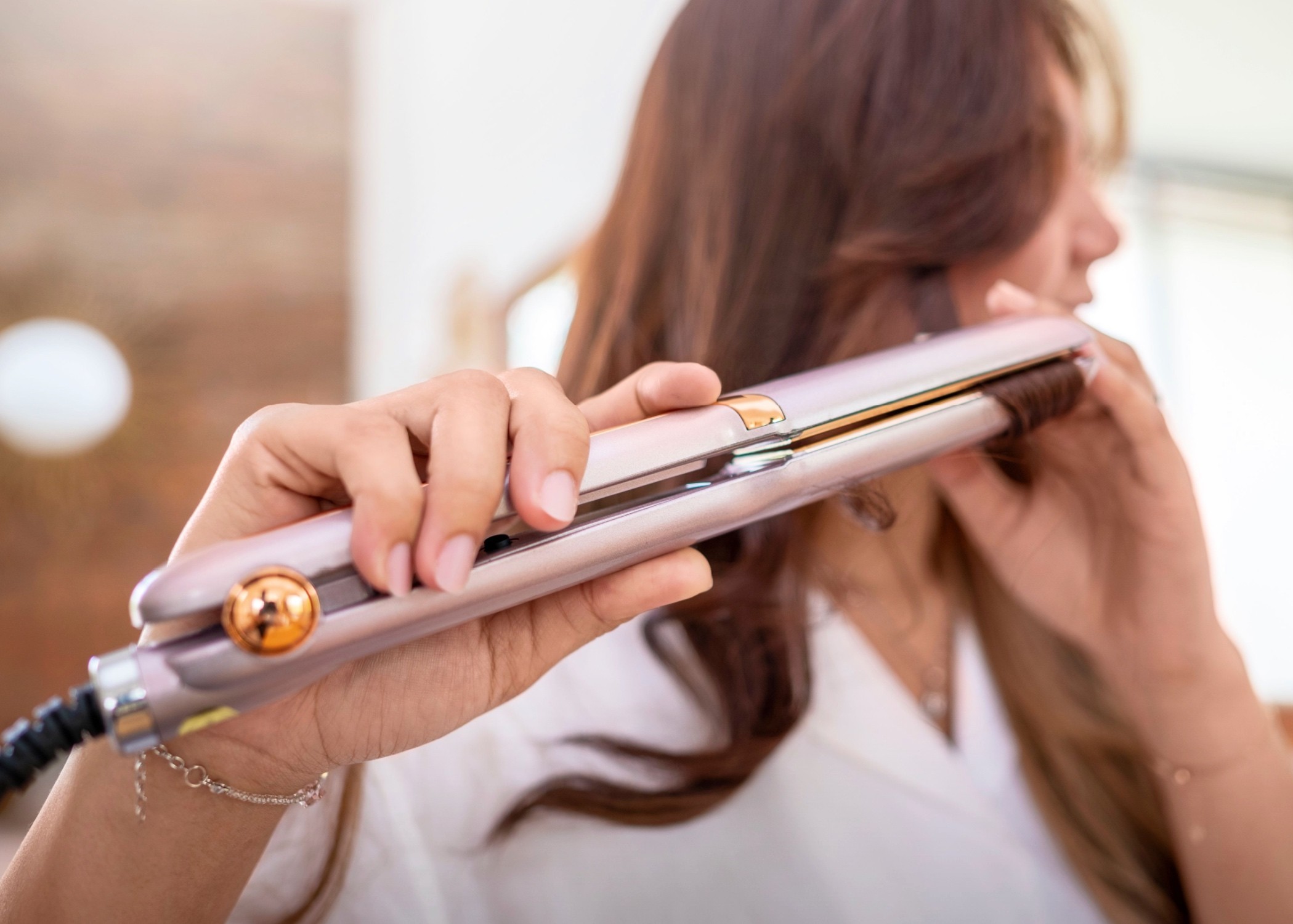
Research from Purdue University reveals that typical hair styling routines, especially those involving heat tools above 300°F, release billions of tiny nanoparticles that can penetrate deep into the lungs, potentially causing respiratory and other health issues. The study highlights the role of heat and certain chemicals like D5 siloxane in nanoparticle formation and emphasizes the importance of good ventilation to reduce exposure. Future research aims to better understand the full health impacts of these emissions.

Former MSU Student Sues for $100M Over Cancer Linked to Campus Chemicals
law-and-health1 year ago

Former MSU Student Sues for $100M Over Cancer Linked to Campus Chemicals

A former Michigan State student, LingLong Wei, filed a lawsuit claiming her thyroid cancer was caused by exposure to hazardous pesticides and herbicides during her studies, which she alleges were used without proper safety measures and training by the university. Wei, who is seeking $100 million, states she was not adequately protected and was reassured that the chemicals were harmless, leading to her health issues and a permanent scar. The university has not commented on the case.

Are Receipts Safe to Touch Despite Toxicity Concerns?
health1 year ago

Are Receipts Safe to Touch Despite Toxicity Concerns?

Claims that paper receipts contain toxic chemicals like BPA, which is linked to reproductive and hormonal health issues, are based on real concerns, but the level of risk from touching receipts is generally low. Experts acknowledge that BPA was commonly used in receipts and can be absorbed through the skin, potentially leading to health problems, but typical exposure from casual contact is usually minimal.