Tag

Cambrian Explosion

All articles tagged with #cambrian explosion

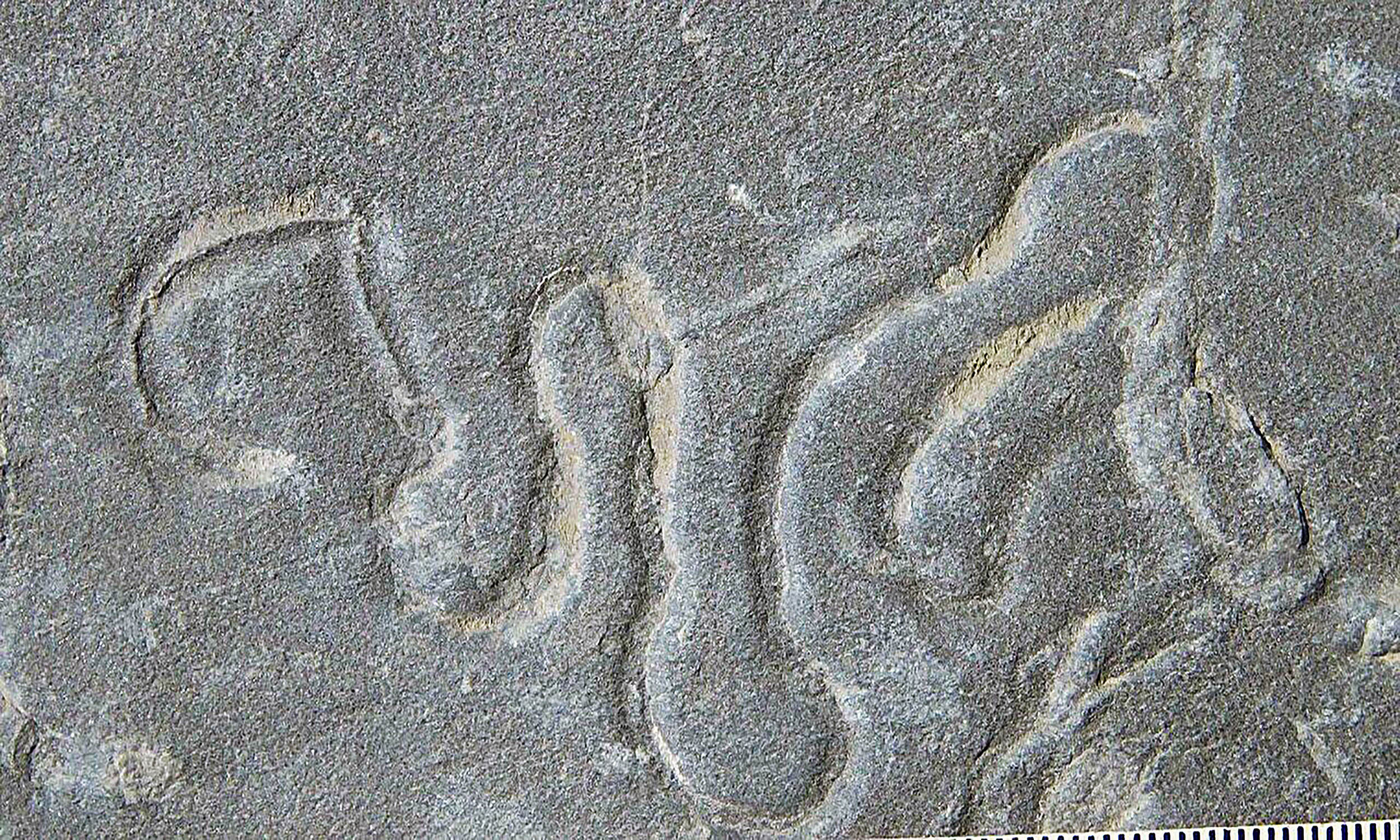
Ancient Chinese Fossils Push Back the Emergence of Complex Life
science12 days ago

Ancient Chinese Fossils Push Back the Emergence of Complex Life

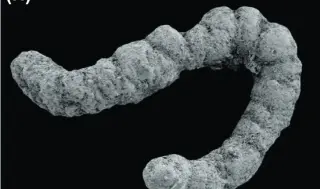
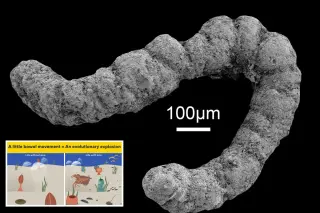
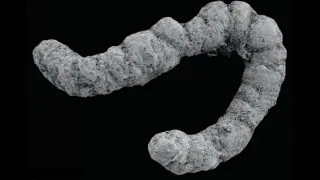
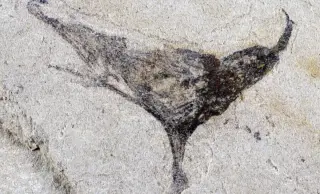
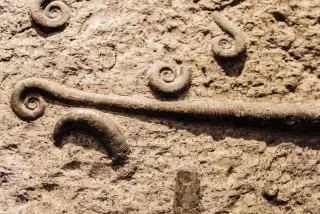
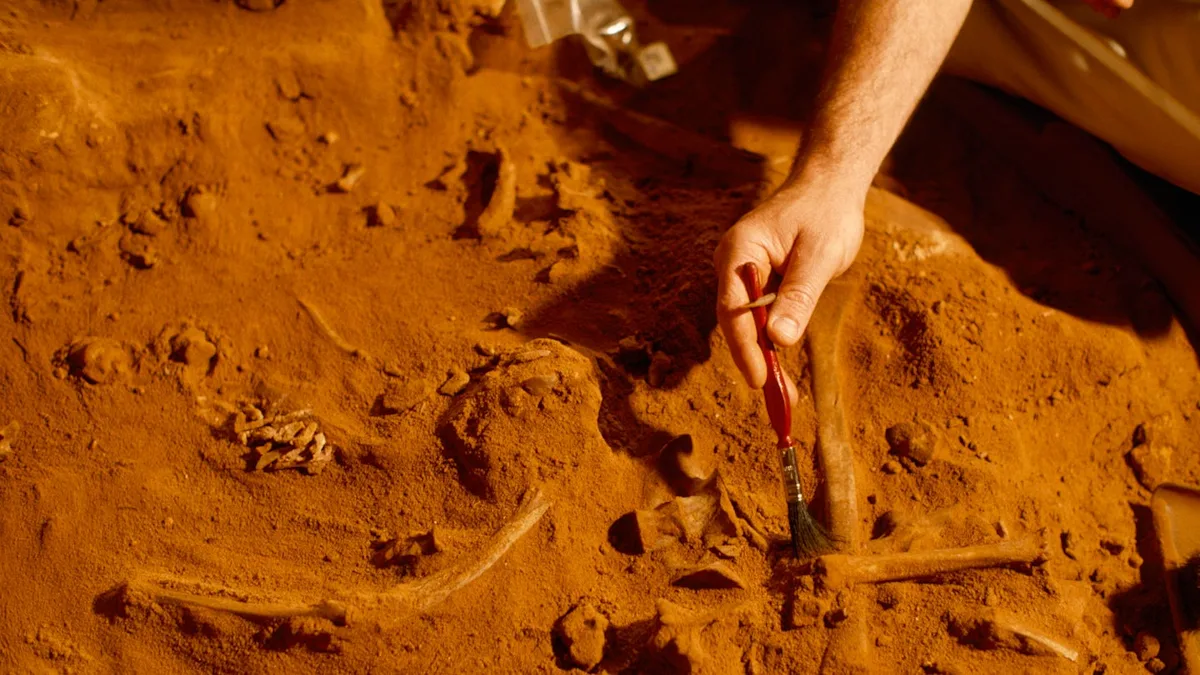
Fossils from the late Ediacaran Jiangchuan biota in eastern Yunnan reveal animal-precursors and Cambrian relatives, including a worm-like organism dubbed the 'bugle worm' and cambroernids, indicating that some complex animal lineages may have already existed before the Cambrian explosion and that the Ediacaran–Cambrian transition was a more gradual overlap than previously thought.

China’s Jiangchuan Biota: 700 Fossils Rewrite the Timeline of Early Animal Life
science1 month ago

China’s Jiangchuan Biota: 700 Fossils Rewrite the Timeline of Early Animal Life

The Jiangchuan Biota in southwest China comprises about 700 fossils dated to roughly 539–554 million years ago, revealing complex animals—including bilaterians and deuterostomes—existed in the Ediacaran period and suggesting such life predates the traditionally dated Cambrian Explosion, thereby bridging the Precambrian–Phanerozoic transition; the rarity of preservation at the site may explain why these organisms weren’t found earlier.

Ancient Sand and Clay Acted as Natural Cement to Preserve Soft-Bodied Fossils
science3 months ago

Ancient Sand and Clay Acted as Natural Cement to Preserve Soft-Bodied Fossils

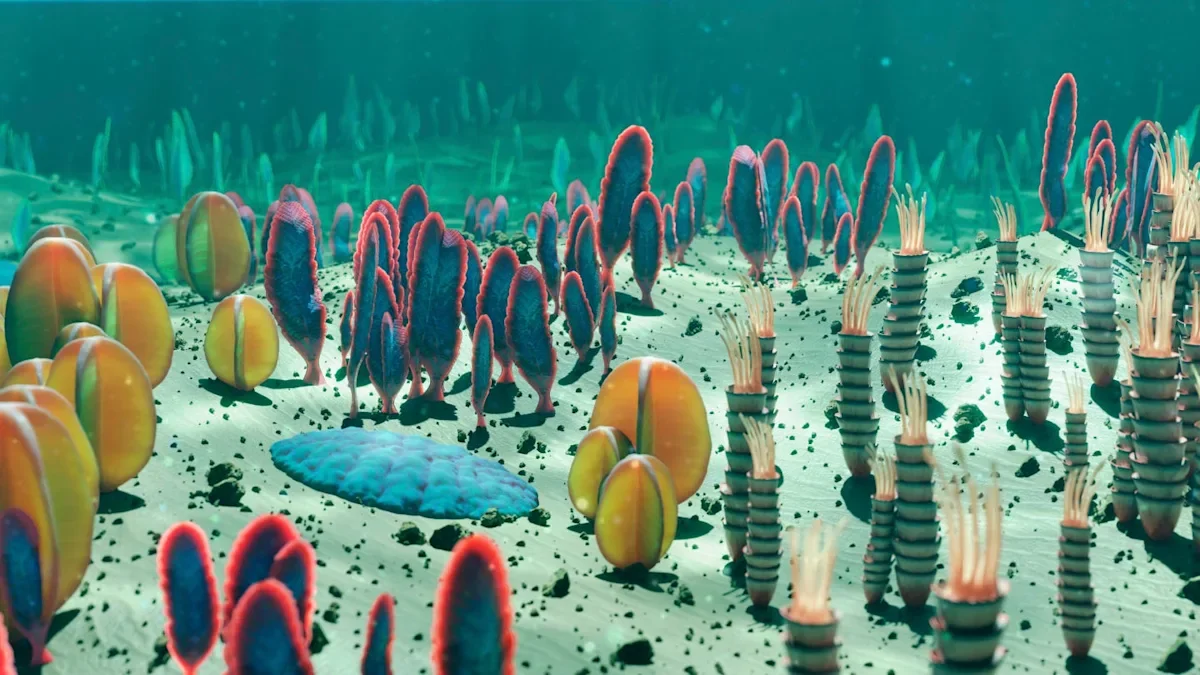
New research suggests the soft-bodied Ediacara Biota fossils were preserved by authigenic clay mineralization on the seafloor, which bound sand grains around buried tissues like a natural cement. Lithium-isotope analyses of Newfoundland sediments show clays forming around the organisms and preserving soft-tissue outlines across continents. This environmental mechanism explains the exceptional fossil record before the Cambrian Explosion, though scientists still debate what these fossils reveal about life prior to that period.

Discover 5 Ancient Creatures Preserved in Iconic Fossil Site
science1 year ago

Discover 5 Ancient Creatures Preserved in Iconic Fossil Site

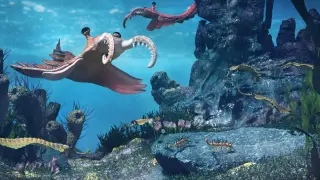
The Burgess Shale deposits in the Canadian Rockies have revealed stunningly preserved fossils of ancient creatures from the Cambrian period, including Cambroraster falcatus and Titanokorys gainesi. These early arthropods, resembling modern horseshoe crabs, highlight the diversity of life during the Cambrian explosion 500 million years ago. The site also features other bizarre ancient animals like Hallucigenia and Opabinia, showcasing the evolutionary complexity of early marine life. The preservation of these fossils is threatened by climate change.

Ancient Sandworm's Existence Extended by Millions of Years
science2 years ago

Ancient Sandworm's Existence Extended by Millions of Years

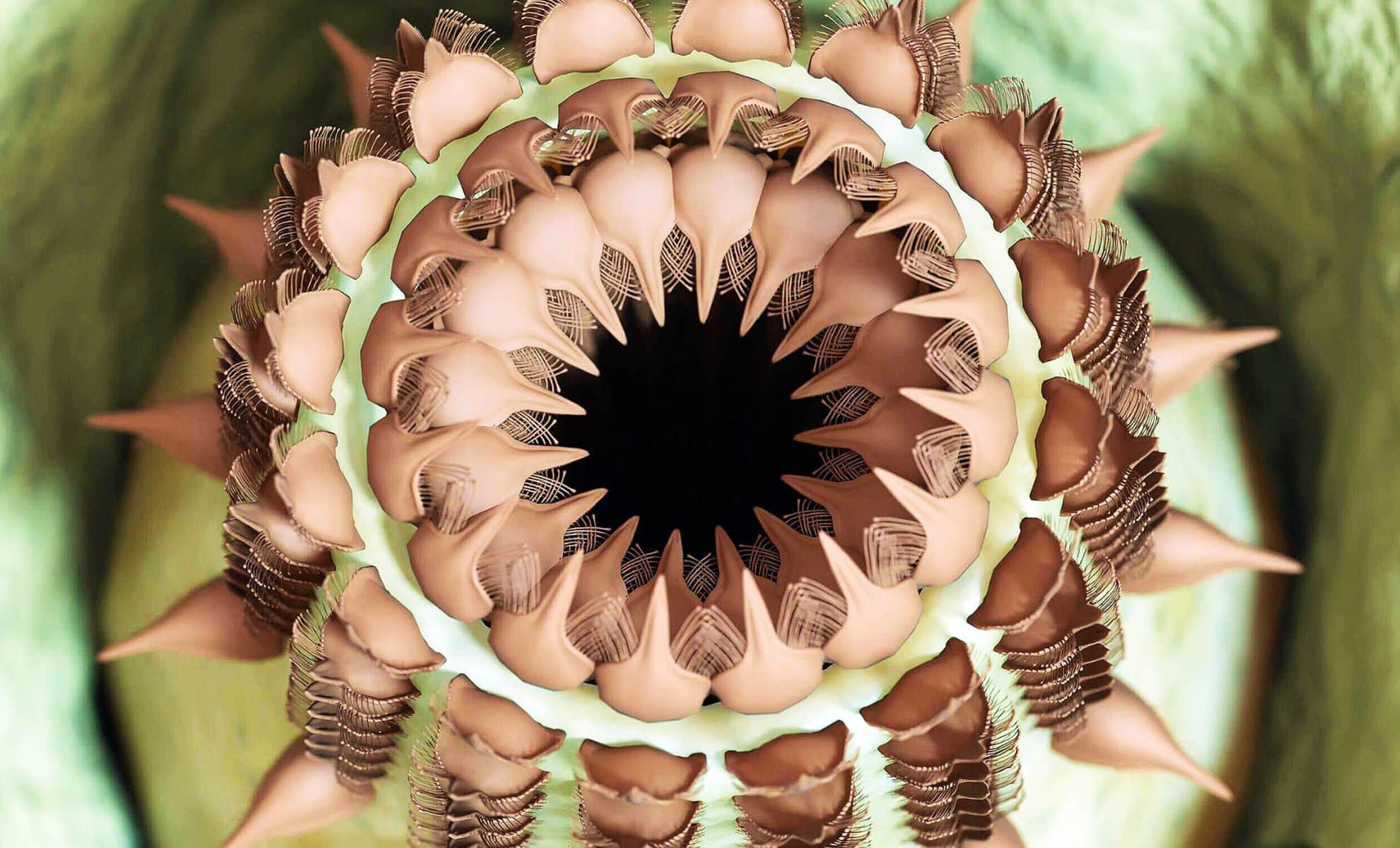
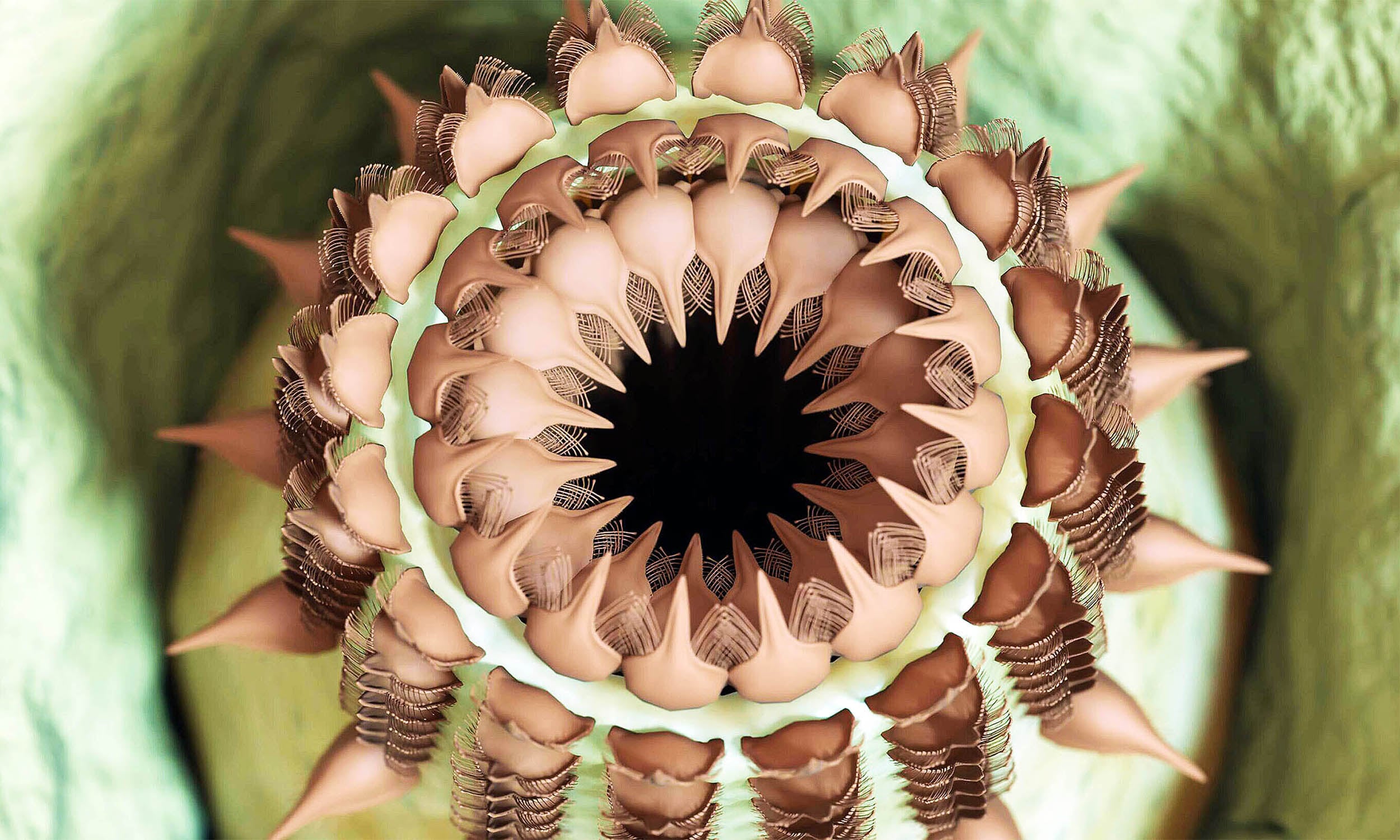
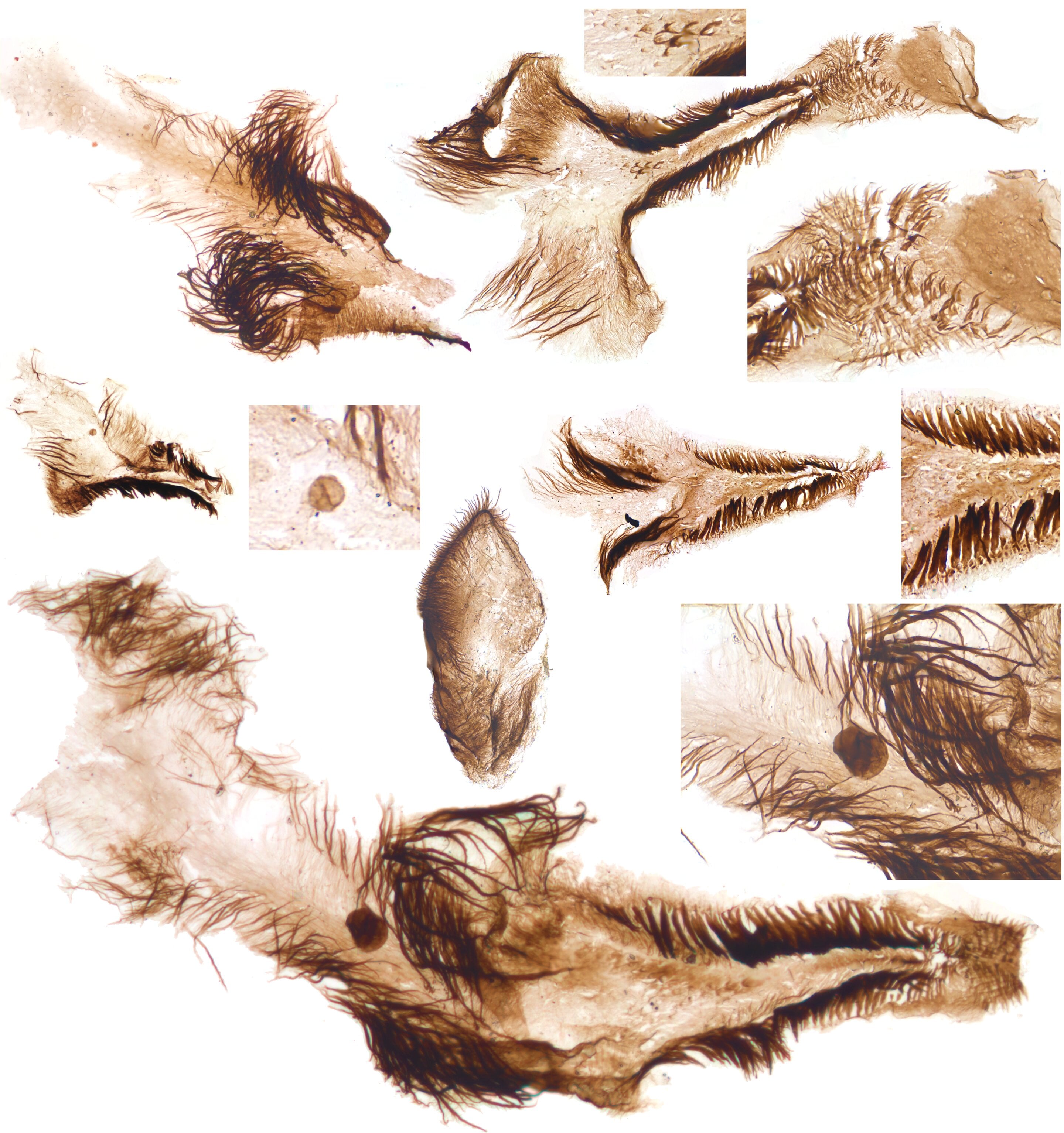
Researchers have discovered fossils of a new species of predatory worm, similar to the sandworms in "Dune," that lived 480 million years ago, 25 million years after it was believed to have become extinct. These ancient Selkirkia worms, with rows of curved spines on their heads, were common predators during the Cambrian Explosion. The fossils were found in Morocco's Fezouata Formation, shedding light on the persistence of these formidable predators during the Early Ordovician period, a dynamic era of evolutionary transition.

Devastating Poisonous Gas Wave Wiped Out Half of Earth's Sea Life in First Mass Extinction
science2 years ago

Devastating Poisonous Gas Wave Wiped Out Half of Earth's Sea Life in First Mass Extinction

A new study suggests that a surge of hydrogen sulfide gas may have played a significant role in the mass extinction event that occurred around 530 million years ago, wiping out 45% of all ocean animals. Previously, it was believed that low-oxygen conditions were the primary cause of the die-off. The researchers found high levels of molybdenum in sediment samples from the extinction period, indicating the presence of hydrogen sulfide in the water. The surge of this toxic gas may have been triggered by an explosion of organic matter, which led to the depletion of oxygen and the subsequent release of hydrogen sulfide. Further research is needed to determine the exact cause of the anoxic conditions and the sulfidic wave that followed.